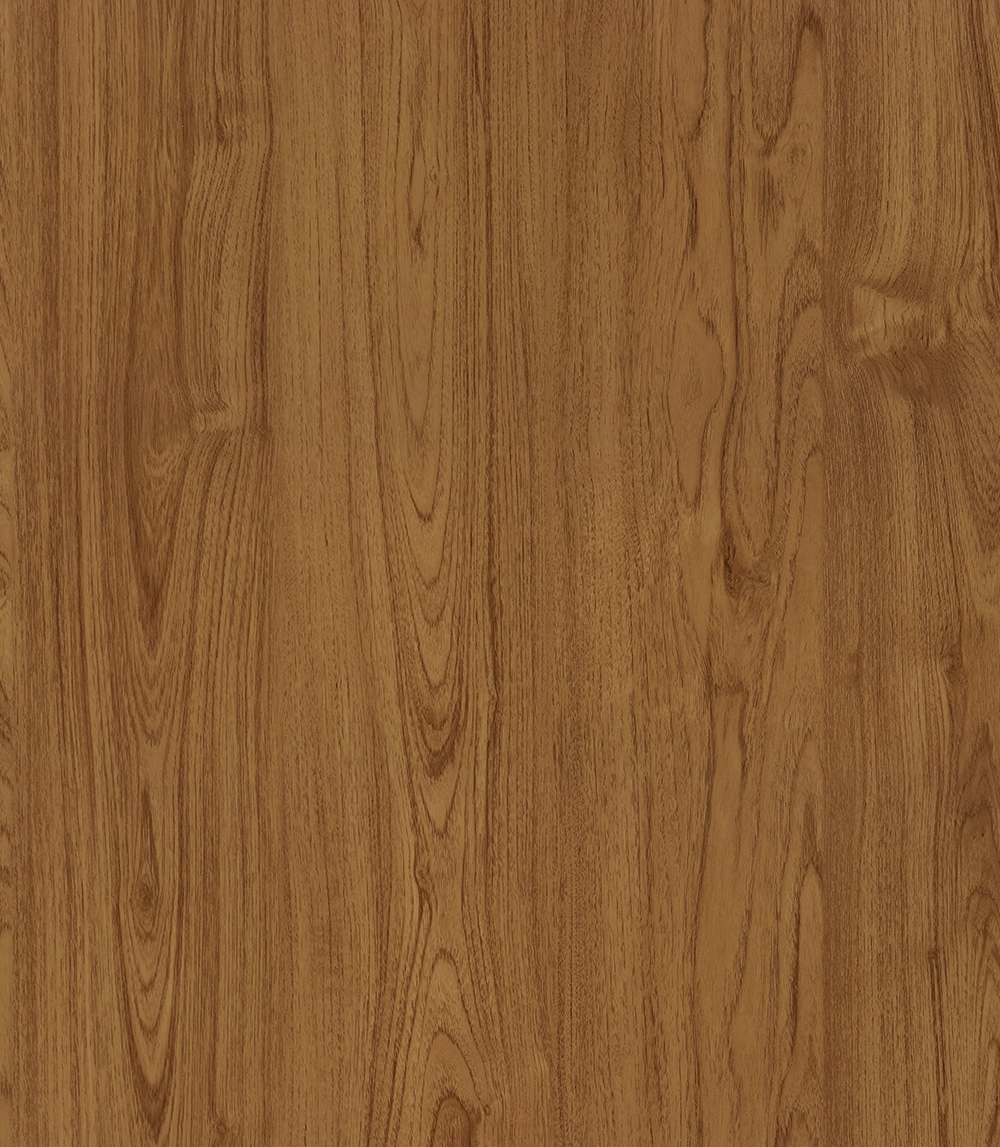
PVC wood grain film is a high-end decorative surface material that replicates the natural color and texture of a wide range of timber species — including oak, elm, ash, sapele, walnut, maple, pine, mahogany, and red sandalwood. Using PVC as the base material, the film is produced through a calendering process in which wood grain patterns are applied via printing rollers, compounded with a transparent protective layer, and then embossed with a realistic woody "brown eye" texture to achieve a highly authentic wood appearance.
The result is a decorative film that can be applied to plastic boards, wooden boards, steel plates, and other substrates to create the visual impression of real wood — effectively achieving the effect of "the imitation surpassing the original." Wood grain patterns can be designed to reflect the annual ring characteristics of different tree species, and multi-color printing machines allow for an extensive range of timber effects to be produced from a single production line.
Beyond its visual qualities, PVC wood grain film offers a strong practical performance profile: it is moisture-proof, corrosion-resistant, flame retardant, easy to clean, straightforward to install, and environmentally friendly. It is widely used in the surface decoration of interior doors, wardrobes, ceilings, and wall panels.
When using PVC wood grain film, the conditions of both the construction environment and the intended application environment must be carefully considered. Applying the film under the right conditions will significantly improve adhesion quality, surface finish, and long-term durability. Applying it under the wrong conditions — incorrect temperature, excessive humidity, or improper technique — can lead to adhesion failure, surface whitening, warping, or other defects that are difficult to correct after the fact.
The following outlines the key environmental and operational requirements for successful PVC wood grain film application.
PVC wood grain film should only be applied within a temperature range of 12°C to 38°C. Within this range, the film maintains the flexibility and adhesive performance needed for a clean, reliable bond with the substrate.
When applying the film to special-shaped or contoured surfaces, a hot air blower can be used to gently warm the film, improving its flexibility and conformability. However, the temperature must be carefully controlled:
Moisture is one of the most significant risk factors in PVC wood grain film application.
When working around corners, curves, or irregular profiles, pre-warming the film with a hot air blower at a low temperature setting before application will improve its flexibility and reduce the risk of cracking or whitening at stress points.
Successful PVC wood grain film application depends as much on environmental conditions as it does on technique. Maintaining a construction temperature between 12°C and 38°C, ensuring the substrate is dry and stable, and using controlled heat when working on shaped surfaces are the three most critical factors. When these conditions are met, PVC wood grain film delivers a durable, high-quality decorative finish that closely replicates the appearance of natural wood — with none of the maintenance demands that real timber requires.