Product Search
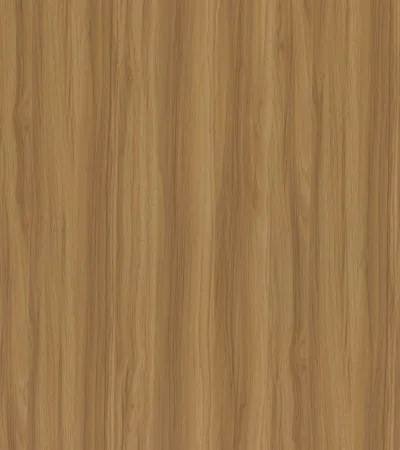
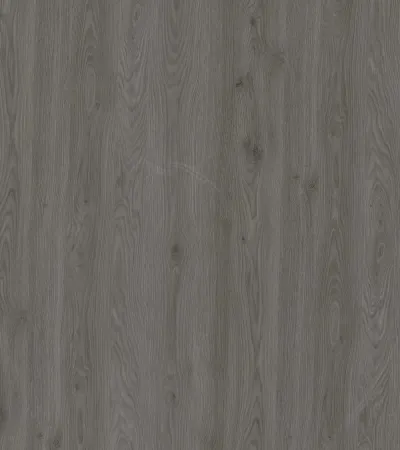
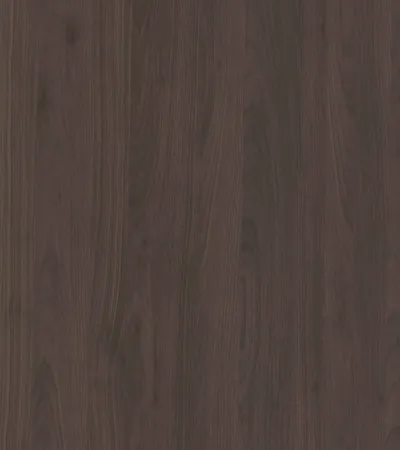
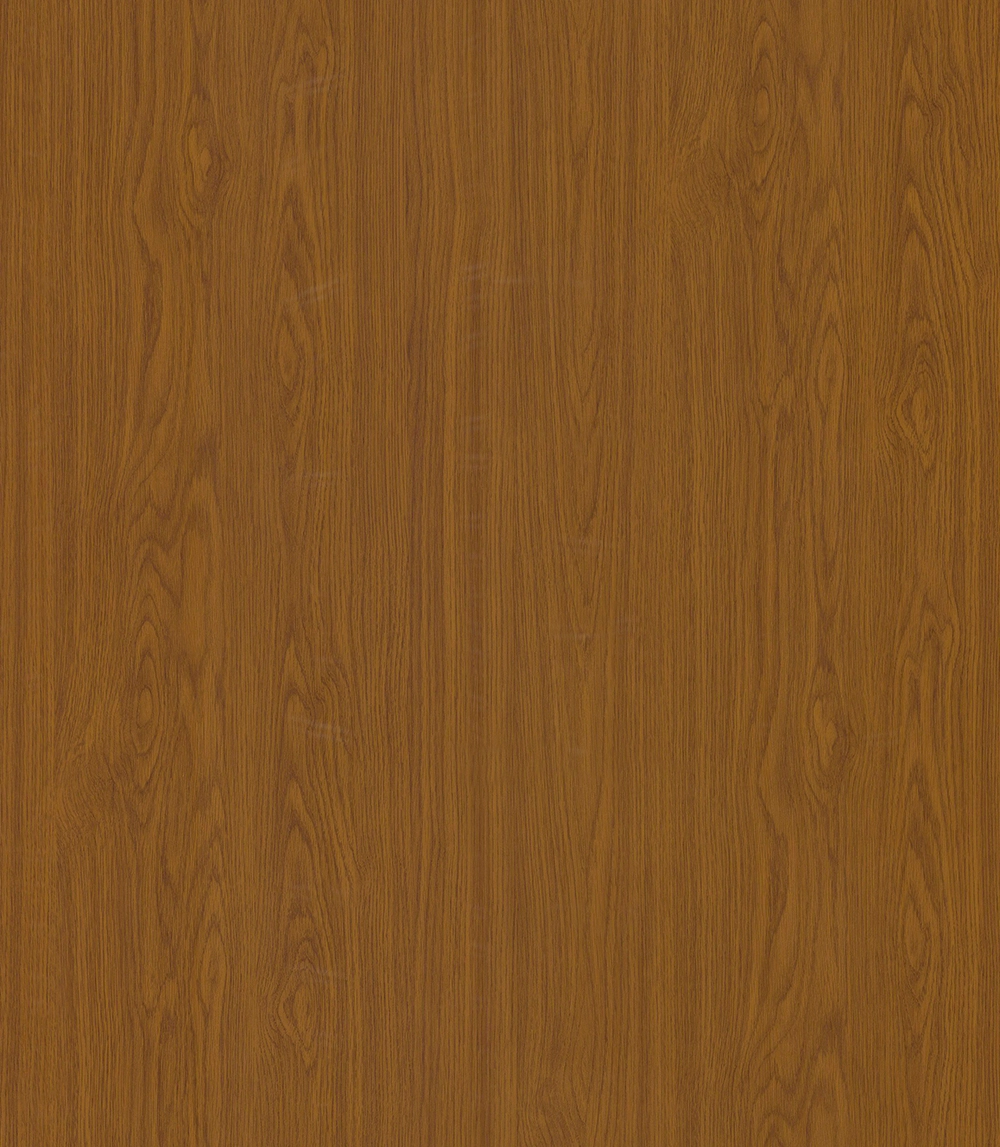
PVC films for door surfaces give interior doors a finished look in wood grain, solid color, textured and other designs, with scratch-resistant finishes available for homes and commercial spaces. A door is not one flat surface. The leaf, the frame and the trims may each be processed differently, and the area around the handle takes the most contact, so choosing a film means matching the process to each part and the surface performance to how the door will be used.
Use the guide below to narrow down the series, then browse the door films that follow. For gloss levels and performance options, see Decor Film Attributes. For patterns and finishes, see Color and Texture. Looking for exterior door and window profiles? See Door and Window Profile Films.
| Door Part or Use | Typical Process | Typical Thickness | Series to Consider |
|---|---|---|---|
| Flat door leaves | Flat lamination | Typically 0.18–0.30mm | High Glossy, Super Matt Soft Touch, Super Matt Anti-scratch |
| Contoured or paneled door leaves | Vacuum forming | Typically 0.20–0.40mm | High Glossy, Super Matt Soft Touch, Super Matt Anti-scratch |
| Door frames, casings and trims | Wrapping | Typically 0.30–0.50mm, depending on the series | High Glossy, Super Matt Soft Touch and Super Matt Anti-scratch (in suitable gauges) |
| Frequently touched doors in homes, schools and offices | Depends on the part | See the rows above | Super Matt Anti-scratch, Super Matt Soft Touch |
| Doors for homes with children, schools and clinics | Depends on the part | See the rows above | Antibacterial, Super Matt Anti-scratch |
Thickness ranges are typical values. Exact specifications depend on the series and pattern, so contact us for the specification of your project.
01 Which interior doors can PVC films be used on?
DiLON's PVC films are used on interior doors in homes and commercial spaces, including flat and contoured door leaves, frames and trims. Several series are compatible with MDF, particleboard, plywood and wood-plastic composite (WPC), among other boards. Lamination quality depends as much on the panel's density, surface flatness and moisture content as on the material itself, so if your substrate is not listed, check with us before ordering.
02 Which processing methods are used for the different parts of a door?
Flat door leaves are typically laminated with 0.18–0.30mm film. Contoured or paneled leaves can be vacuum formed, typically at 0.20–0.40mm, and door frames, casings and trims can be wrapped, typically at 0.30–0.50mm. The High Glossy Series, Super Matt Soft Touch Series and Super Matt Anti-scratch Series all support lamination, wrapping and vacuum forming, with wrapping depending on the gauge selected.
03 How do I get a matching look across the door leaf, frame and trims?
A door set looks best when all its parts share the same design. Choose the same series and pattern for the leaf, frame and trims, and request samples for each processing method you plan to use before ordering, so you can compare the finished parts side by side.
04 How can I reduce fingerprints and scratches around handles and high-contact areas?
The Super Matt Soft Touch Series has a 0–3° gloss level and shows fingerprints and light contact less than semi-gloss finishes. The Super Matt Anti-scratch Series adds 2H pencil-hardness scratch resistance, which resists marking from everyday scuffs such as keys, tools and cleaning equipment. To protect either finish, avoid abrasive cleaners.
05 Which films suit doors in homes with children, schools and clinics?
The Antibacterial Series is designed for door and furniture panels in family homes with young children, schools and clinics, and independent testing reported 99% inhibition against E. coli and Staphylococcus aureus. The Super Matt Anti-scratch Series also has an antibacterial surface, together with 2H scratch resistance, for busy settings such as schools, offices, rental housing and healthcare facilities.
06 Should I choose a matte or glossy finish for doors?
Matte films reduce glare and feel soft and velvety. The Super Matt Soft Touch Series is offered in a PETG+PVC composite, positioned as cost-efficient for standard door production, or in pure PETG for more consistent surfaces. For a more dramatic look, the High Glossy Series offers a mirror-grade gloss level above 95° and is designed for door panels, wall panels and furniture surfaces.
07 What designs are available, and can they be customized?
Door films come in wood grain, solid-color, textured and other designs, with more than 10,000 patterns available across DiLON's range. Browse the Wood Grain, Stone, Fabric Texture, Metal Brushed and Other series, or see Color and Texture for an overview. Colors and patterns can also be customized if the catalogue does not have the look you need.
08 What should I tell you to get a recommendation?
Share the door part (leaf, frame or trim), the substrate, the processing method (lamination, vacuum forming or wrapping) and the surface performance you need, such as scratch resistance, low glare or an antibacterial surface. With that, we can recommend a suitable series and thickness. You can also request samples before ordering.
Tell us the door part, the substrate and the processing method, and our team will recommend a suitable series and thickness, or discuss a custom color or pattern with you.
Request a Quote