When selecting a surface finishing material for furniture, wall panels, doors, and interior decoration, traditional wood veneer has long been a popular choice. However, PVC decorative film has become an increasingly practical alternative because it combines decorative flexibility with convenient processing and consistent surface performance. So, what are the advantages of PVC decorative film over traditional wood veneer?
Traditional wood veneer is made by cutting natural wood or other materials into thin sheets and applying them to substrates such as plywood, MDF, or particleboard. Because natural wood has inherent variations, the final appearance can differ in grain, color, and texture from one sheet to another. Matching panels can therefore require additional selection and processing.
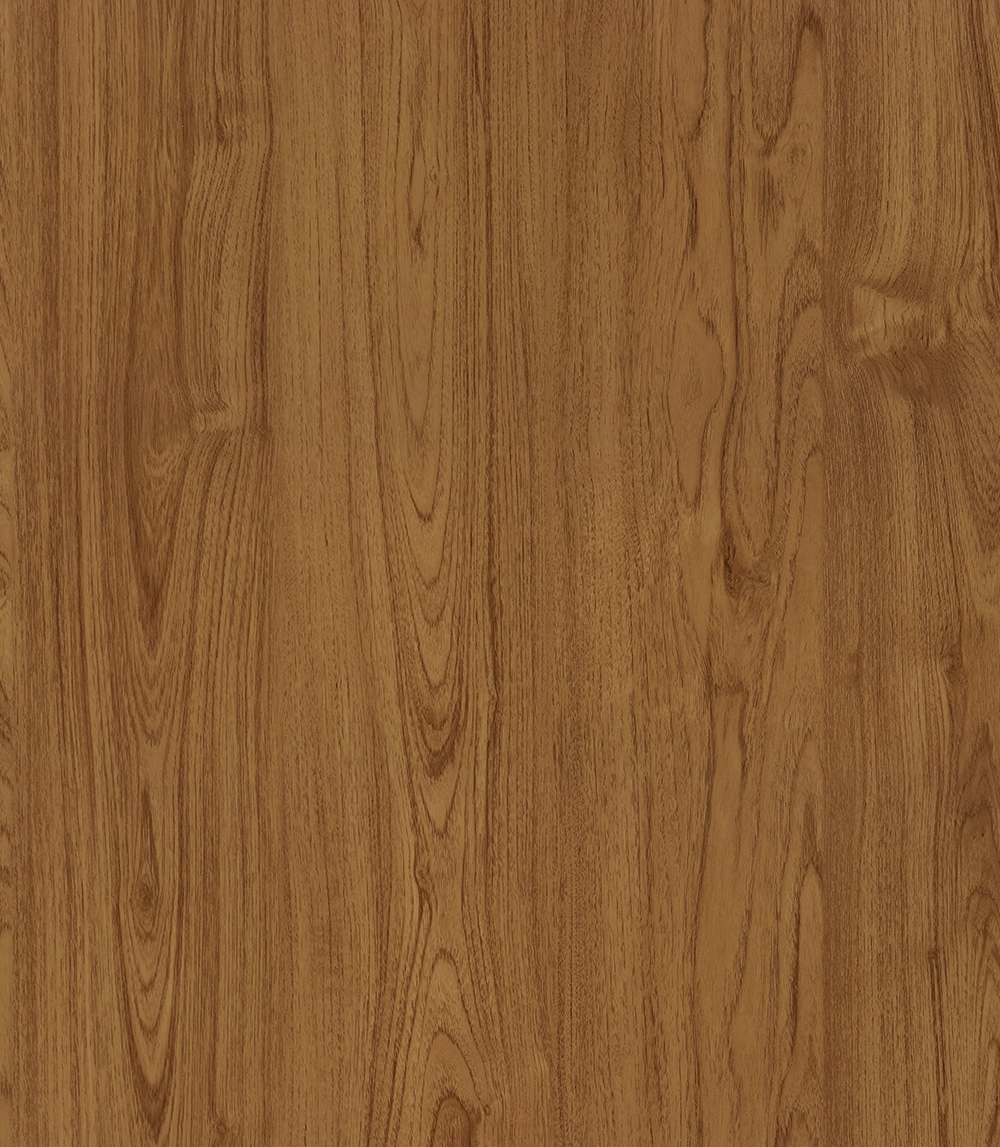
PVC decorative film, sometimes called PVC furniture film or Boeing film, is manufactured with controlled patterns and colors. Modern printing technology allows manufacturers to reproduce a wide variety of wood grains as well as stone, metal, fabric, and other decorative effects. This provides designers and furniture manufacturers with more choices when developing different interior styles.
Another advantage is color consistency. For projects requiring multiple panels or furniture units to have a similar appearance, a manufactured decorative film can provide greater pattern and color uniformity than natural veneer.
Production with traditional wood veneer can involve several steps, including material selection, cutting, sanding, bonding, edge treatment, and finishing. These processes can increase production time and labor requirements, particularly for customized projects.
PVC decorative film can simplify surface finishing because many products are supplied with a pressure-sensitive adhesive backing. After the substrate has been properly prepared, the film can be applied directly to the surface according to the manufacturer's installation requirements. This can reduce the number of finishing operations required during installation.
The lightweight nature of the film also makes handling and transportation relatively convenient. For large interior projects, easier material handling can help improve installation efficiency and reduce the risk of damage associated with transporting rigid decorative panels.
One limitation of traditional wood veneer is its limited flexibility. Applying rigid or relatively brittle veneer to curved corners, rounded edges, or irregular surfaces can require additional processing and may increase the risk of cracking or damage.
PVC decorative film is more flexible and can conform to certain curved or shaped surfaces. For appropriate film types, controlled heating can make the material more pliable during installation, allowing it to follow corners and contours more effectively. This makes PVC film particularly useful for furniture components and interior features with complex shapes.
The film can also create a more continuous visual finish across suitable surfaces. With correct installation, it can reduce the need for visible joints and edge treatments in some applications.
PVC decorative film is designed not only for appearance but also for practical surface protection. Depending on its formulation and construction, it may offer resistance to everyday wear, moisture, stains, and certain environmental conditions.
Some specialized PVC decorative films are also manufactured with flame-retardant, antibacterial, or mildew-resistant properties. These characteristics depend on the specific product specification and should be verified through relevant technical data or test reports before being selected for regulated environments.
By comparison, traditional wood veneer is naturally combustible and may require additional finishing systems when specific fire-performance requirements apply.
PVC decorative film does not necessarily replace traditional wood veneer in every application. Natural veneer remains valuable when authentic wood texture and natural material characteristics are essential to a project. However, PVC decorative film offers several practical advantages where manufacturers or designers prioritize consistent appearance, extensive pattern selection, flexible processing, convenient installation, and efficient material handling.
For furniture, wall panels, doors, commercial interiors, hotels, healthcare facilities, and other decorative applications, the right choice depends on the substrate, installation conditions, required appearance, durability, and applicable performance standards. When these factors are considered together, PVC decorative film can provide an efficient and versatile surface finishing solution compared with conventional wood veneer.