
 English
 русский

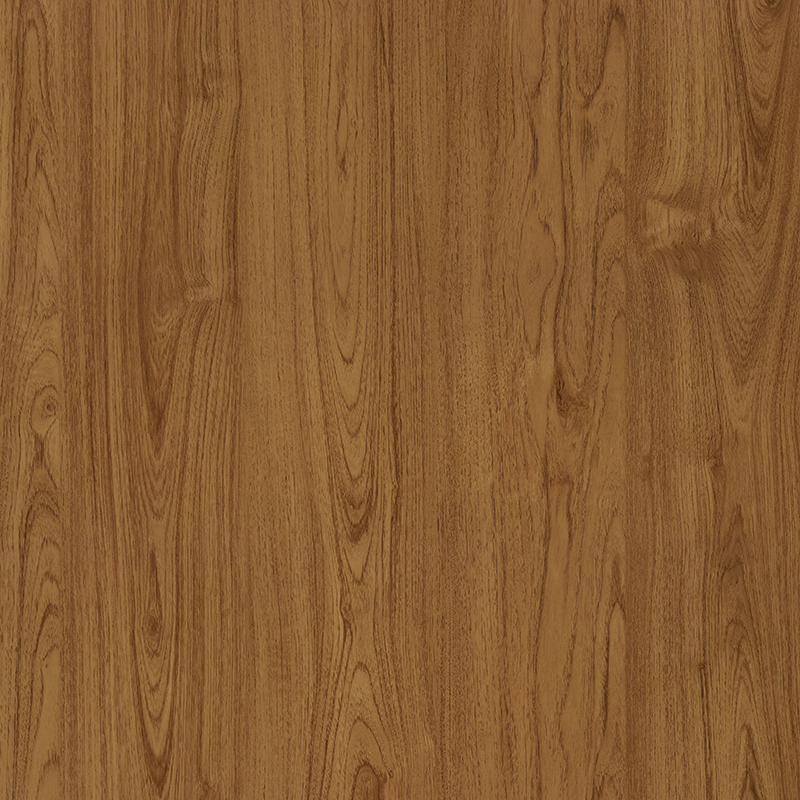
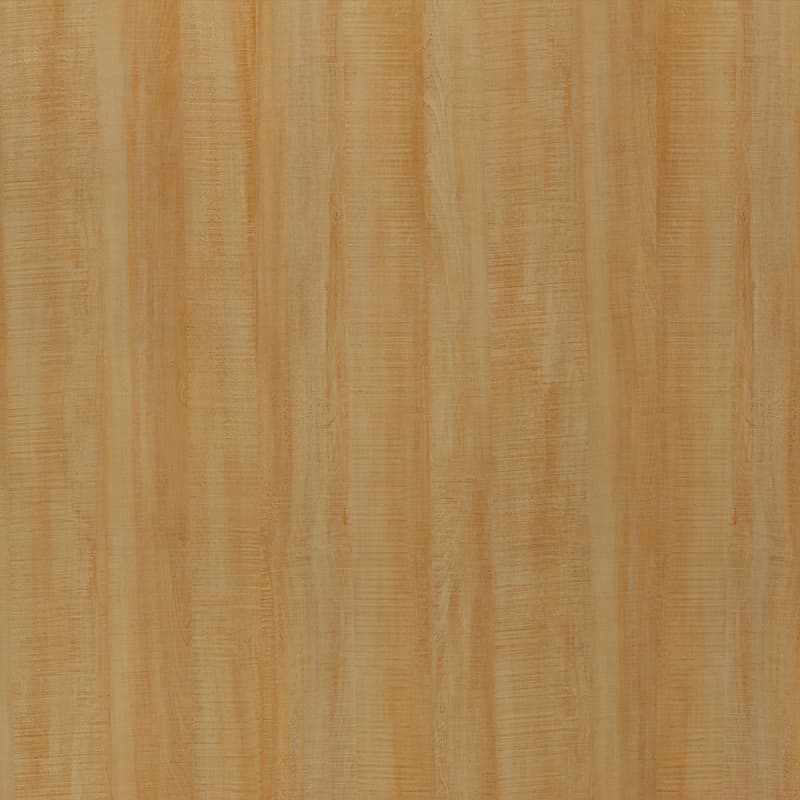
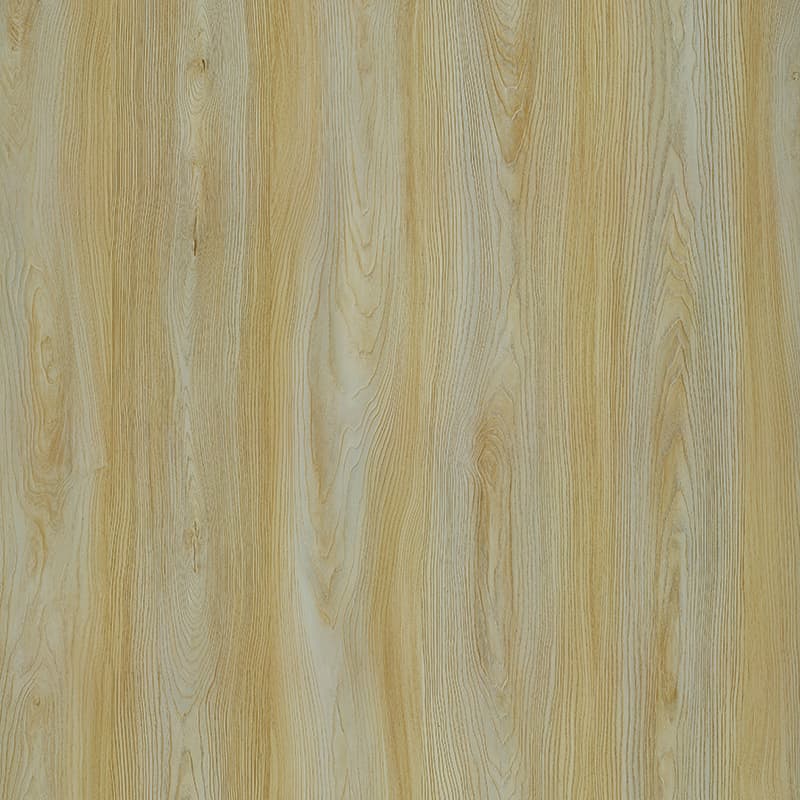

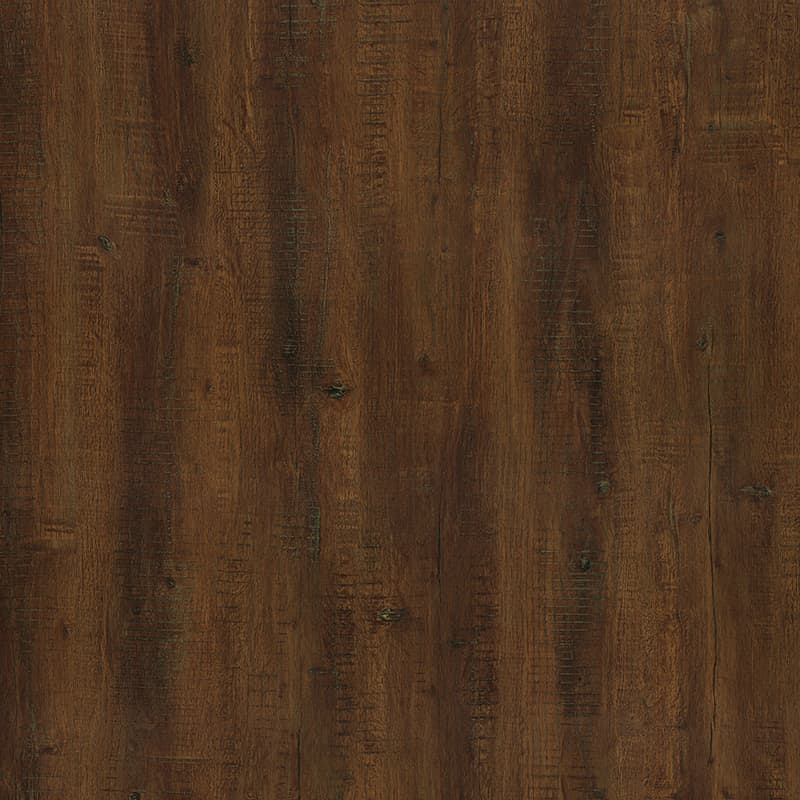
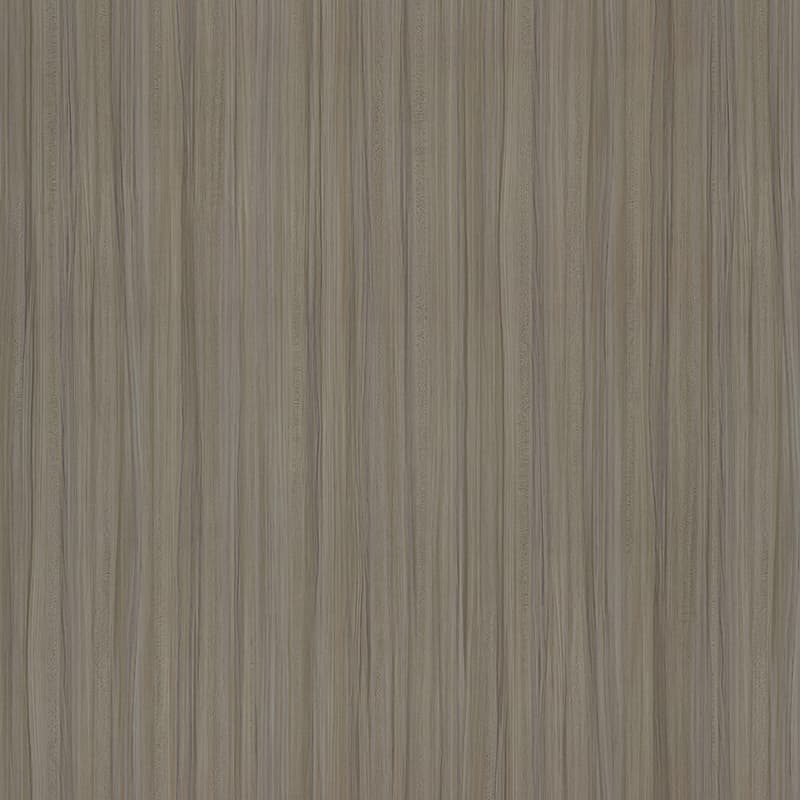


To make the life more colorful
Content
Real marble costs anywhere from $60 to $200 per square foot installed — and that's before factoring in weight, fragility, and ongoing maintenance. PVC marble grain film delivers the same visual impact at a fraction of the price, which is why it has become a go-to material in furniture manufacturing, architectural cladding, and interior renovation worldwide.
This guide covers exactly what the film is, what makes it perform well, where it works best, and how to pick the right type for a specific application.
What Is PVC Marble Grain Film and How Is It Made
PVC marble grain film is a thin, flexible sheet of polyvinyl chloride printed with high-resolution marble patterns and surface-embossed to replicate the texture of natural stone. The manufacturing process combines rotary gravure printing — capable of rendering the fine vein structures unique to marble — with embossing rollers that create tactile surface depth.
Most commercial-grade films are produced in multi-layer constructions: a base PVC layer for flexibility and stability, a printed decorative layer, and a protective topcoat (typically polyurethane or acrylic) that governs scratch resistance and surface finish. Thickness typically ranges from 0.12 mm to 0.5 mm, depending on the application. Wider rolls — commonly 1.26 m or 1.40 m — reduce seam frequency on large surfaces, which is important for a clean, continuous marble look.
Quality manufacturers use water-based inks to minimize volatile organic compound (VOC) emissions. For projects in occupied buildings, this matters: indoor VOC concentrations can reach two to five times higher than outdoor levels, making low-emission material selection a meaningful health consideration.
Key Properties That Make It Stand Out
Not all decorative films are equal. PVC marble grain film earns its place in demanding applications because of several functional advantages that go beyond aesthetics.
- Scratch and abrasion resistance. The protective topcoat — especially on films rated 2H to 4H hardness — keeps surfaces intact on countertops, cabinet doors, and high-touch wall panels. A higher hardness rating means a longer service life on surfaces that see daily contact.
- Waterproof and moisture resistant. Unlike natural marble, which is porous and susceptible to staining from liquids, PVC film presents a sealed surface. This makes it well-suited for kitchens, bathrooms, and balconies where moisture exposure is frequent.
- UV stability. Films used on outdoor curtain walls or window profiles must resist color fading from sun exposure. Quality formulations include UV stabilizers that preserve the print for years under direct light.
- Ease of processing. The film bonds to MDF, particleboard, PVC profiles, and aluminum through vacuum membrane pressing, flat lamination, or adhesive application. It can be cut with a knife or scissors, routed, and bent around curved profiles — which natural stone cannot.
- Fire and mold resistance. Many formulations meet relevant building code requirements for flame spread, and antimicrobial additives are available for applications in healthcare or humid environments.
For a deeper look at how these properties hold up over time, the durability and maintenance guide for PVC decorative films covers cleaning protocols and lifespan expectations in detail.
Where It's Used: Applications Across Industries
The film's combination of visual realism and processing flexibility has opened it up to a wide range of end markets.
Furniture and cabinetry represent the largest volume application. Kitchen cabinet doors, wardrobe panels, and tabletop surfaces wrapped in marble grain film are standard in mid-range and commercial furniture production. Vacuum membrane pressing ensures the film conforms tightly to routed profiles and shaped edges, giving a seamless result that looks like solid stone.
Architectural surfaces — wall panels, integrated ceilings, and door skins — use marble grain film to achieve a consistent finish across large areas at a controlled budget. The material is widely used in hotels, retail spaces, and public transit interiors where a premium appearance must be maintained without the structural complexity of stone.
Window and door profiles made from PVC or aluminum are frequently wrapped with marble grain film to coordinate with interior design schemes. The film must perform over the profile's lifetime, including thermal cycling and UV exposure — requirements that push toward heavier-gauge, UV-stabilized formulations.
Construction and renovation scenarios benefit from the film's lightweight nature and ease of installation. Replacing a worn countertop surface or refreshing a wall panel with adhesive-backed marble grain film takes hours, not days, and leaves the underlying substrate intact.
Browse the full range of marble grain PVC decorative film options to see available patterns, finishes, and dimensions.
How to Choose the Right Film for Your Project
Four variables drive the selection decision: application environment, substrate type, surface finish, and volume requirements.
Application environment determines whether standard or enhanced UV and moisture resistance is needed. Indoor furniture tolerates standard formulations; outdoor cladding and window profiles require UV-stabilized, weather-resistant grades.
Substrate compatibility matters because the bonding method varies. Flat lamination on MDF requires a different film construction than vacuum membrane pressing on a shaped cabinet door. Confirm the film is tested and validated for your specific process before placing a bulk order.
Surface finish — high-gloss, matte, soft-touch, or 3D embossed — affects both the visual character and maintenance requirements of the finished surface. High-gloss finishes amplify the marble grain pattern and suit formal spaces; matte finishes reduce fingerprint visibility and work better in high-use areas.
Volume and lead time shape the commercial conversation. Standard patterns are often available in stock rolls with lower minimum order quantities (typically 2,000 m per color for marble grain). Custom color-matching requires a physical sample and a longer development cycle.
If your project spans multiple material types — marble grain alongside wood grain or woven textures — it's worth sourcing from a manufacturer with integrated product lines. The complete guide to PVC decorative film types and installation compares the characteristics of marble, wood grain decorative films, and other series to help match the right material to each surface.
The right film reduces cost, simplifies installation, and delivers a surface that holds up — which is the practical case for PVC marble grain film in any project where the look of natural stone is the goal but the constraints of real stone are not acceptable.

