
 English
 русский

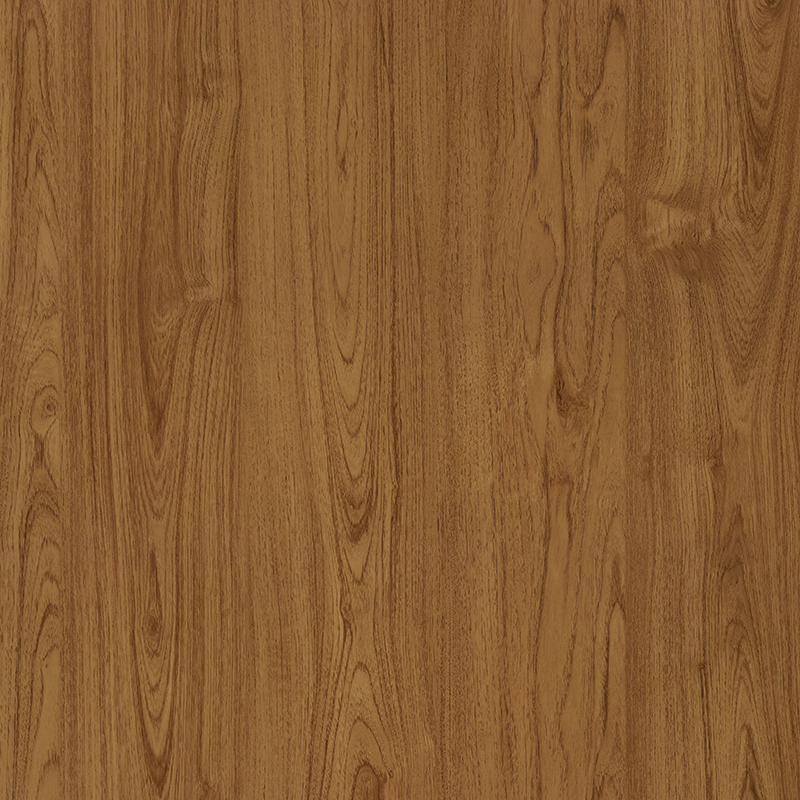
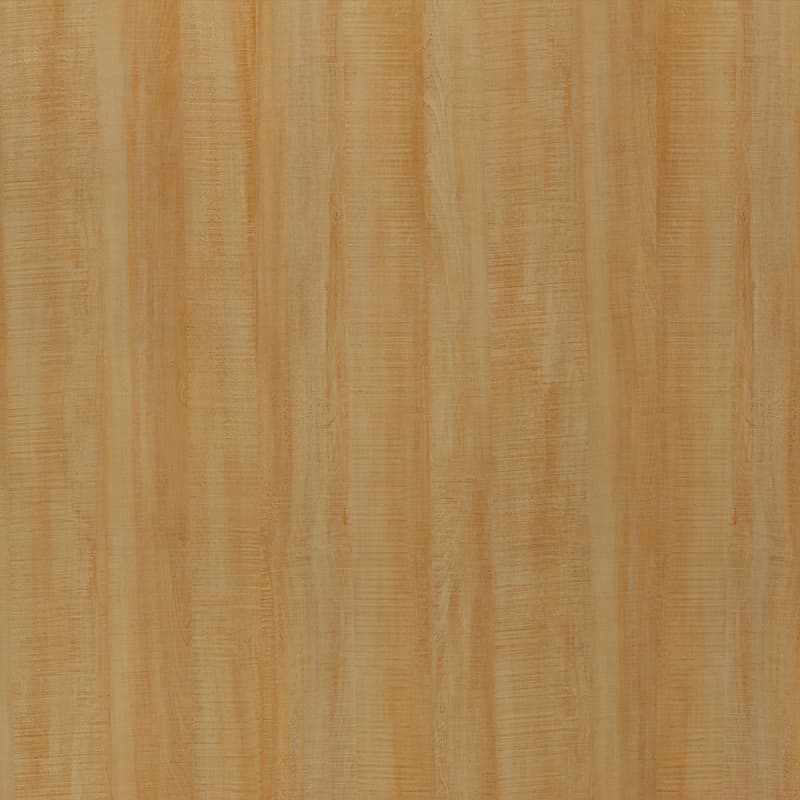
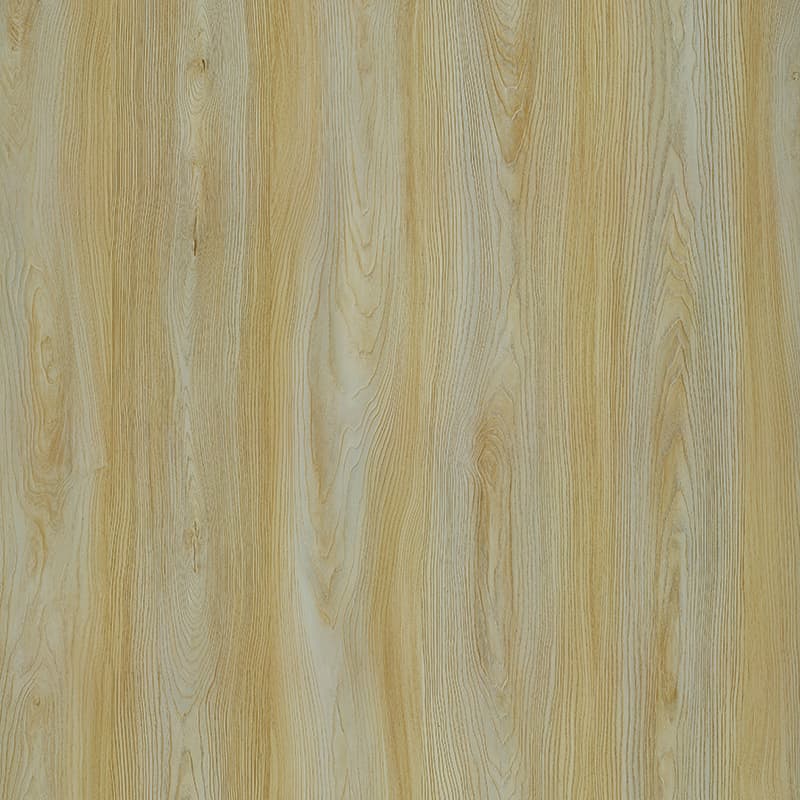

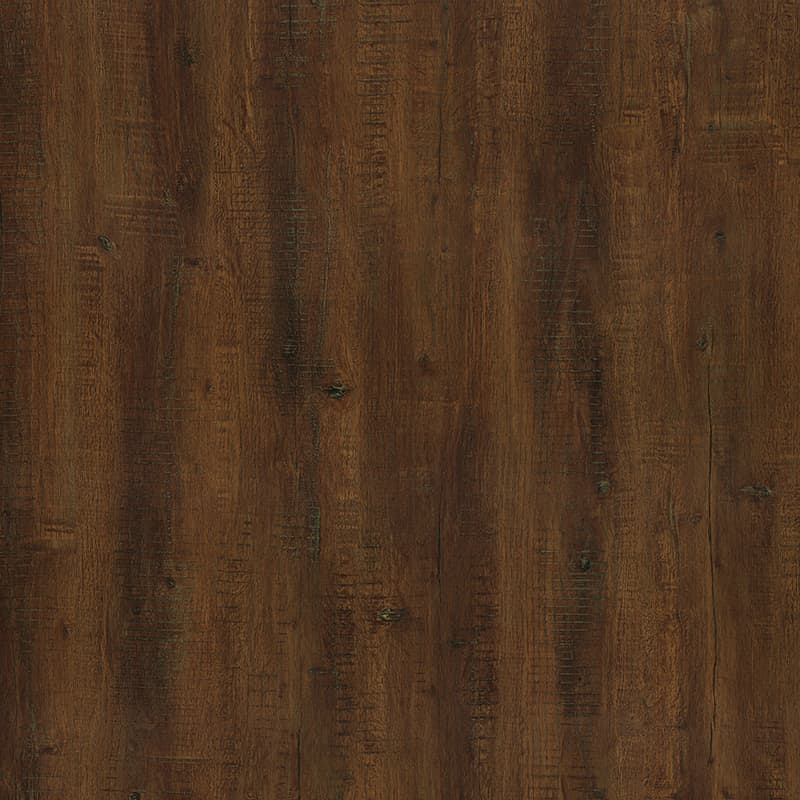
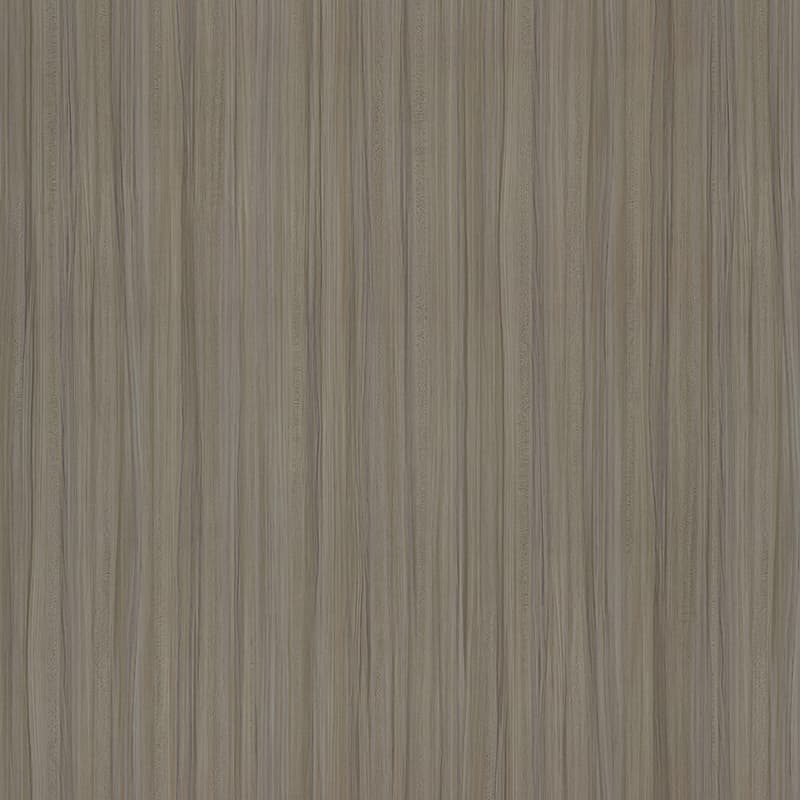
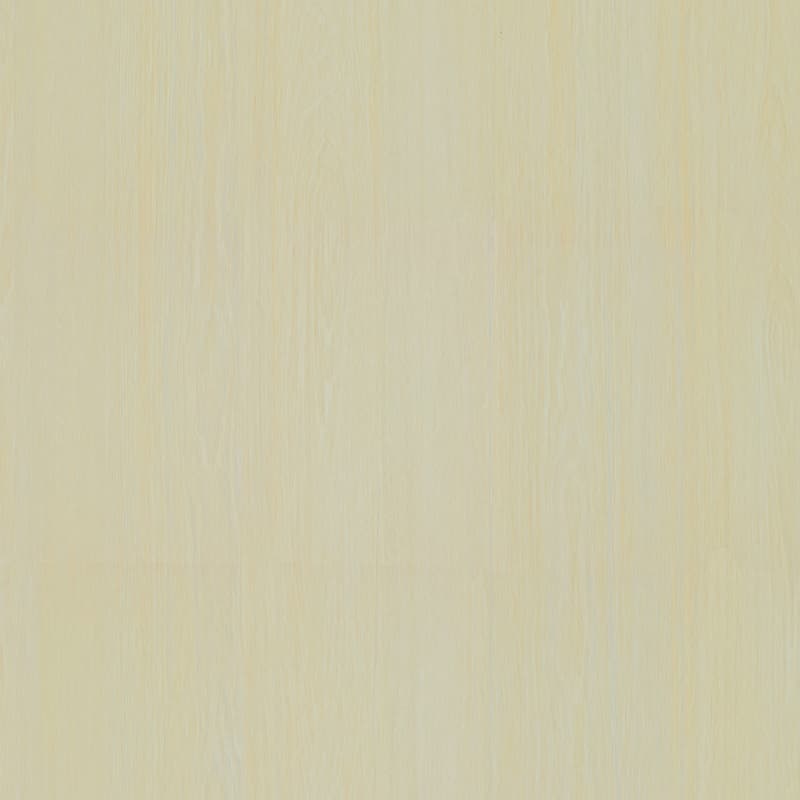
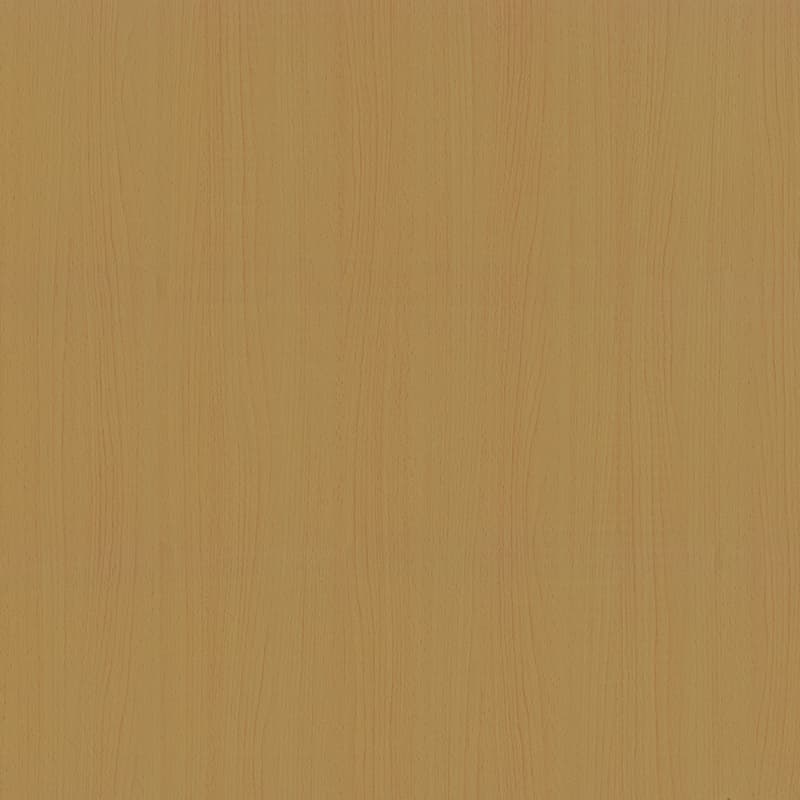

To make the life more colorful
What Is PVC Wood Grain Decorative Film?
PVC wood grain decorative film is a surface finishing material made from polyvinyl chloride (PVC), engineered to replicate the visual texture and tactile feel of natural wood. Applied to substrates like MDF, HDF, plywood, PVC panels, and aluminum profiles, it delivers a convincing wood aesthetic at a fraction of the cost of solid timber or veneer.
The film is produced through a multi-layer process: a PVC calendered base sheet is printed with high-definition wood grain patterns — oak, walnut, ash, maple, teak, mahogany, and more — then precision-embossed to create a three-dimensional surface texture that closely mirrors actual wood grain. The result is a product that satisfies both visual and tactile expectations in high-demand environments.
For furniture manufacturers, interior fit-out contractors, and building material suppliers, PVC wood grain decorative film is a production-critical material: it enables consistent quality at scale, supports complex surface geometries, and eliminates the cost and variability of natural wood sourcing.
Surface Types and What They're Used For
Not all wood grain PVC films are interchangeable. Surface finish directly affects both the visual outcome and the application suitability. The four main categories are:
- High-gloss: Smooth, reflective surface with a lacquered appearance. Preferred for high-end cabinetry, display units, and contemporary furniture where a polished finish is required. Easy to wipe clean.
- Matte: Non-reflective, flat finish. Delivers a understated, natural wood appearance suited to residential furniture, wardrobes, and interior wall panels where subtlety is valued.
- Embossed (3D texture): The surface is physically textured to match the grain depth of real wood. Used where tactile authenticity matters — doors, premium furniture panels, and architectural profiles.
- Soft-touch: A velvet-like surface coating that provides a premium, skin-friendly feel. Increasingly popular in bedroom furniture and luxury interior joinery.
Selecting the correct finish is not an aesthetic decision alone — it also determines compatibility with the lamination or pressing process being used. Consult the wood grain film selection guide for a detailed breakdown by application type.
Application Methods: Lamination, Vacuum Pressing, and Profile Wrapping
PVC wood grain decorative film is compatible with the three dominant industrial application methods, each suited to specific product geometries:
- Flat lamination: Applied to flat panels — MDF boards, plywood, particle board — using heat and pressure rollers. High throughput, consistent results. Standard in flat-pack furniture and wall panel production.
- Vacuum/membrane pressing: Ideal for shaped or routed MDF panels, cabinet doors with raised profiles, and curved surfaces. The film conforms to three-dimensional geometry under controlled heat and vacuum pressure. Widely used in kitchen cabinet and door manufacturing.
- Profile wrapping: Used to wrap extruded profiles — PVC window frames, door frames, skirting boards, aluminum sections — with decorative film. Continuous feed process suitable for high-volume production.
The application method must be matched to the film specification. Lamination films and vacuum press films differ in flexibility, adhesive type, and heat tolerance — using the wrong film type causes delamination, wrinkling, or adhesion failure.
Key Performance Properties
When evaluating PVC wood grain decorative film for industrial procurement, the following performance parameters determine product suitability:
| Property | Significance |
|---|---|
| Scratch resistance | Critical for furniture and flooring; measured by pencil hardness or Taber abrasion test |
| Moisture resistance | Prevents swelling, delamination, and mold in humid environments (kitchens, bathrooms) |
| Flame retardancy | Required for commercial and public interior applications; certified to regional fire standards |
| VOC / formaldehyde content | Environmental compliance; essential for EU, US, and export market requirements |
| Color fastness | Resistance to UV fading; important for near-window applications and long product lifespans |
| Thickness uniformity | Affects opacity, emboss depth consistency, and batch-to-batch color matching |
Reputable manufacturers supply technical data sheets covering these parameters. Requesting these documents before placing a bulk order is standard practice and a reliable indicator of supplier quality control maturity.
Where PVC Wood Grain Film Is Used
The material is widely adopted across residential, commercial, and industrial sectors. Primary application areas include:
- Kitchen cabinets and wardrobe panels — the single largest volume application globally
- Interior doors and door frames
- Wall panels, feature walls, and integrated ceiling systems
- Office furniture, reception counters, and retail fit-outs
- SPC, WPC, and LVT flooring surface layers
- Window and door profiles (PVC and aluminum extrusions)
- Transportation interiors, including rail and commercial vehicle paneling
The breadth of this list reflects the film's core value proposition: it decouples surface aesthetics from substrate choice, allowing manufacturers to use cost-effective engineered panels while achieving the appearance of premium solid wood. Explore the full product range to identify the right specification for your application.
What to Verify When Sourcing PVC Wood Grain Decorative Film
For buyers sourcing at volume, five factors consistently separate reliable suppliers from problematic ones:
- Batch color consistency: Color variation between production runs is the most common quality complaint. Ask for documented tolerance standards and inter-batch test data.
- Certifications: ISO 9001 for quality management, SGS or ROHS for environmental compliance, and relevant regional fire certifications (EN, ASTM, GB) depending on your market.
- Pattern library depth: A supplier with 300+ active embossing rollers and thousands of color references can respond to custom design requirements — essential for OEM and private-label production.
- Sample policy: Established manufacturers offer free pre-production samples. This is non-negotiable for evaluating emboss register accuracy, color match, and adhesion performance before committing to a full order.
- Lead time and minimum order quantity (MOQ): Clarify stock availability versus made-to-order timelines. For new patterns or custom colors, factor in 15–25 days production lead time in standard conditions.
For a broader view of how PVC decorative films are specified and installed across different product types, refer to the complete PVC decorative film guide.
The Practical Case for PVC Over Natural Wood Veneer
The comparison between PVC wood grain film and natural wood veneer comes down to four variables: cost, consistency, performance, and lead time. PVC film outperforms veneer on three of the four — only in markets where natural material origin is itself the product attribute (luxury bespoke furniture, heritage restoration) does veneer maintain a clear advantage.
In volume manufacturing, PVC wood grain film reduces surface material costs by 40–70% versus veneer, while delivering better moisture resistance, more consistent color matching, and a simpler application process. For manufacturers supplying ready-to-assemble furniture, modular kitchens, or budget-to-mid-range interior panels, this cost structure is decisive.
Environmental considerations have also shifted. Modern PVC wood grain films are increasingly produced with low-VOC inks, lead-free formulations, and recyclable substrate compositions — addressing the legacy environmental concerns associated with PVC and aligning with tightening regulatory requirements across European and North American markets.

