
 English
 русский

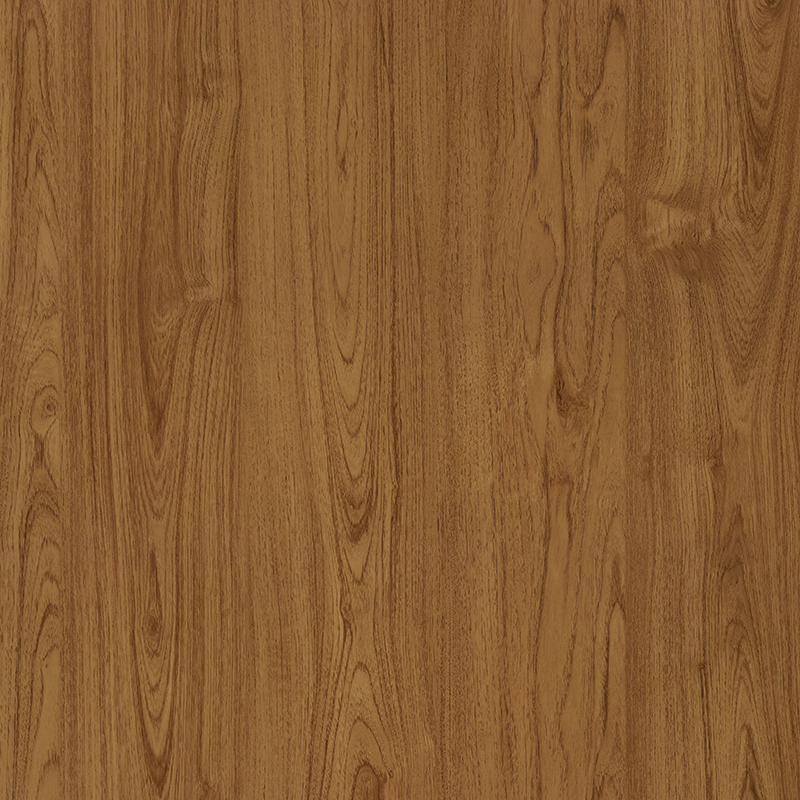
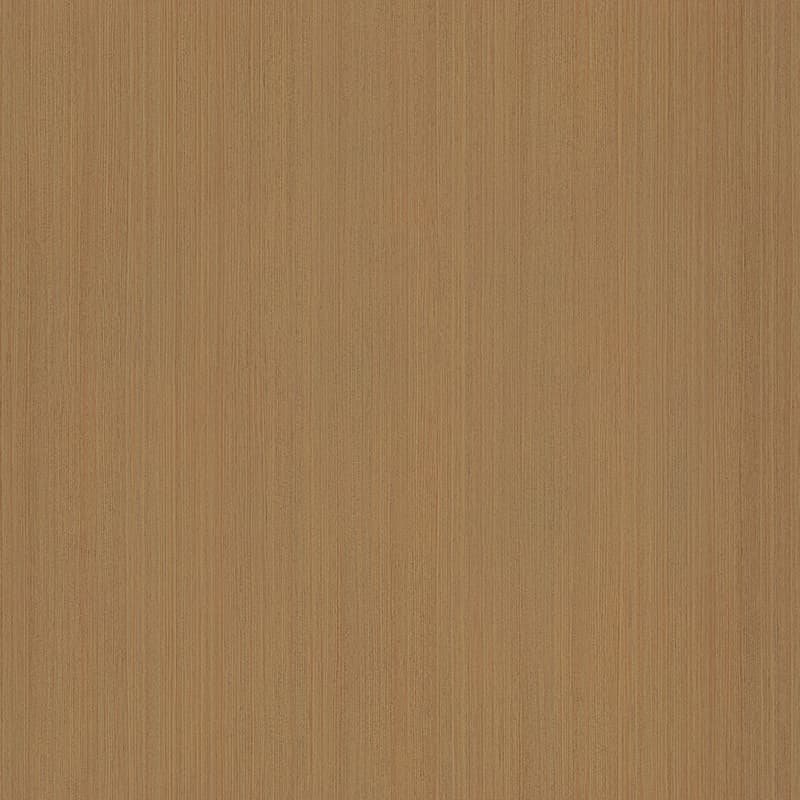
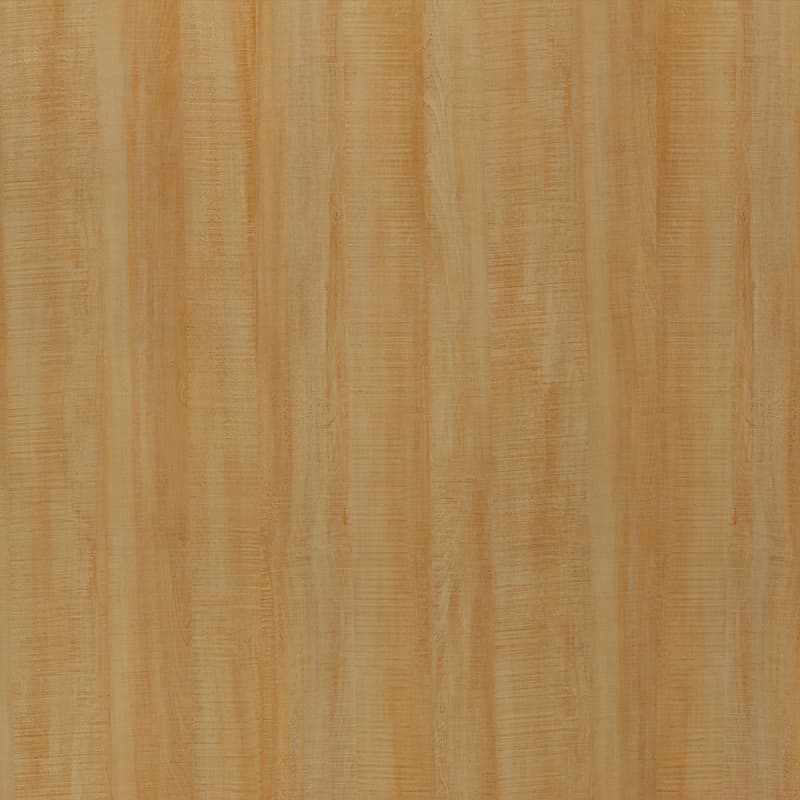
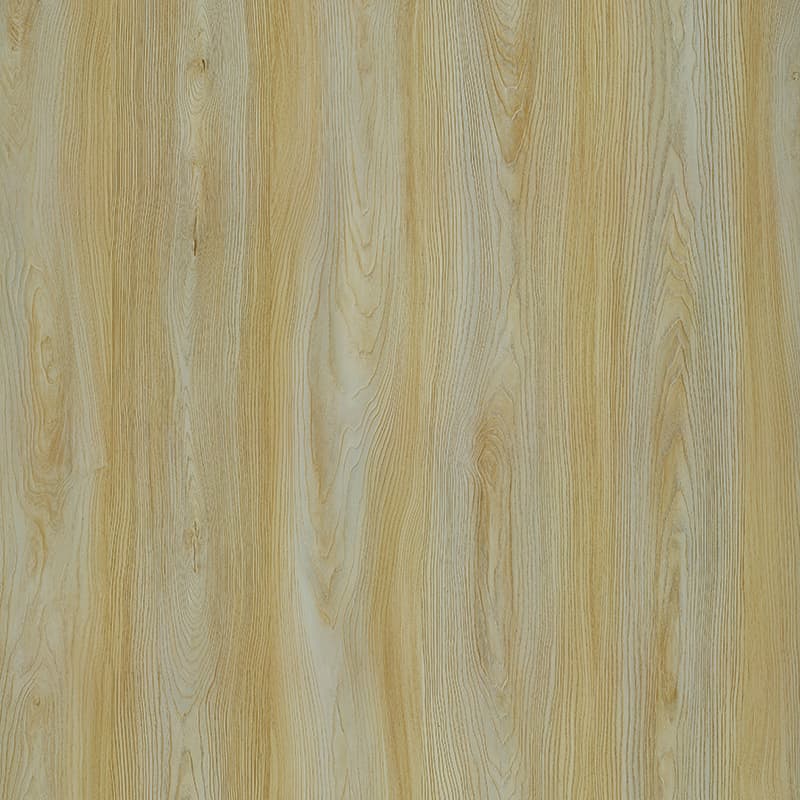

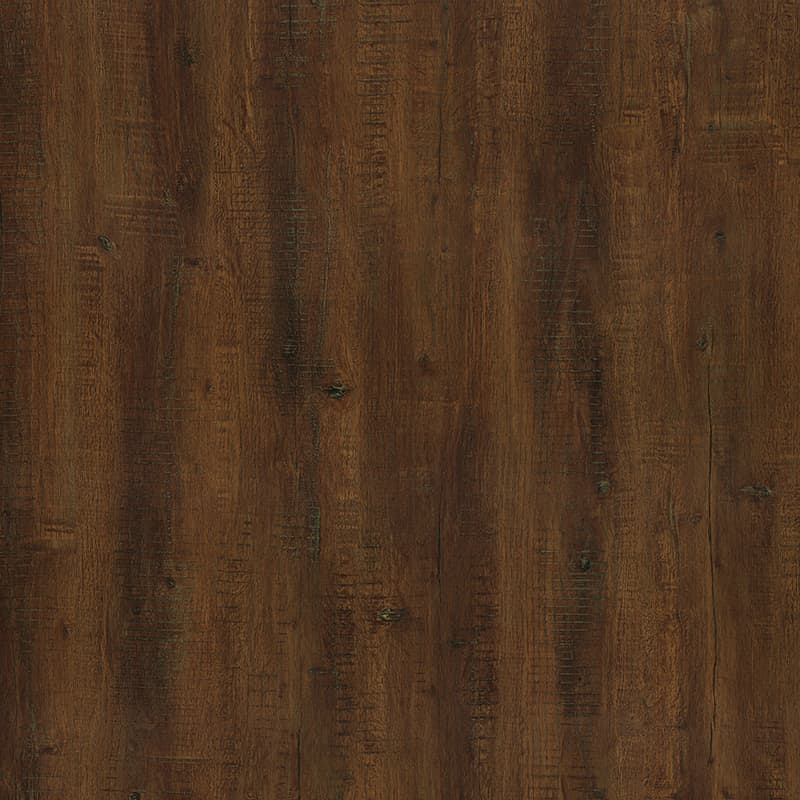
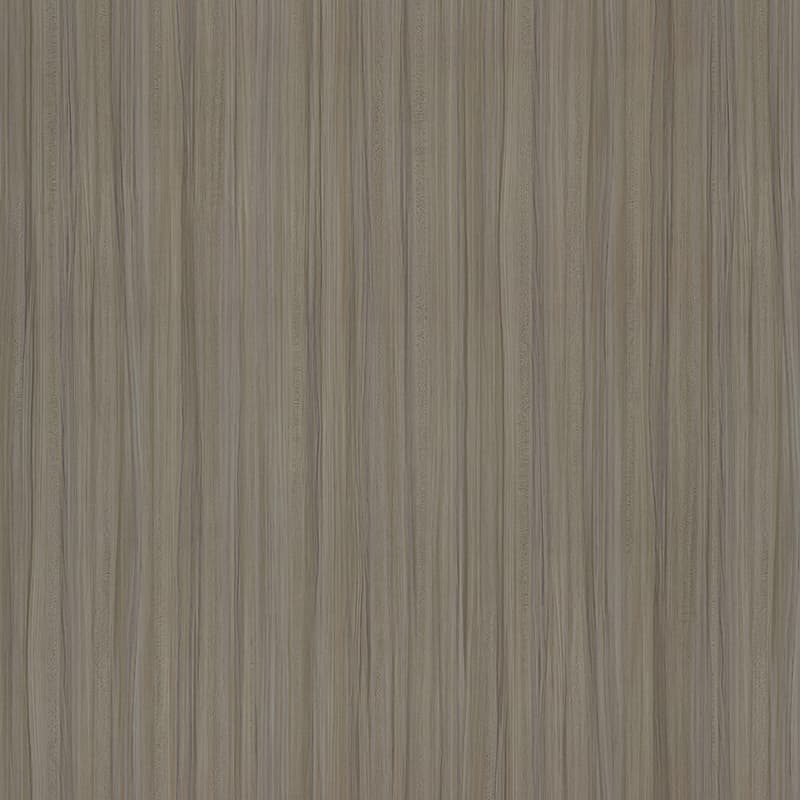
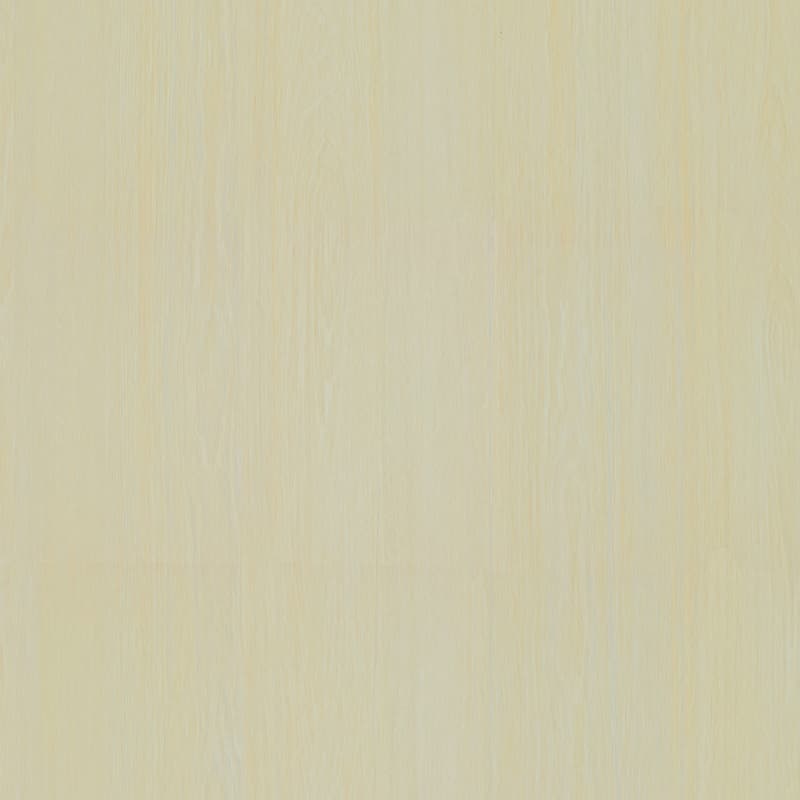
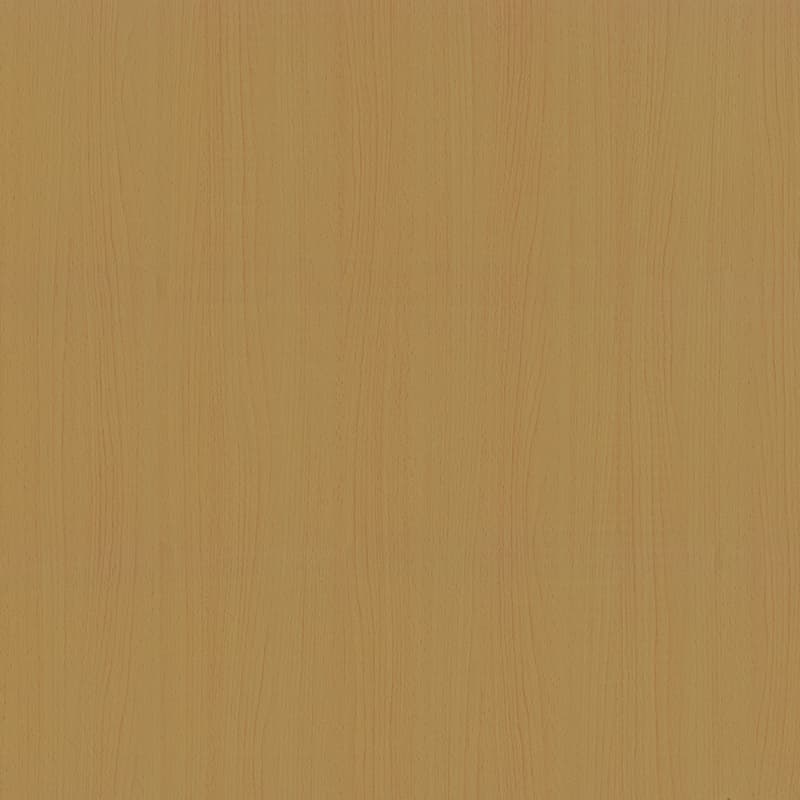

To make the life more colorful
What Is Wood Grain Film?
Wood grain film is a decorative surface material that replicates the visual texture and appearance of natural wood. Produced primarily from PVC (polyvinyl chloride) or PET substrates, it is engineered to mimic species such as oak, walnut, pine, teak, and cherry — without relying on harvested timber. The film is printed with high-resolution gravure or digital printing technology, then embossed with textured rollers to create a tactile surface that closely matches real wood grain patterns.
Unlike raw veneer or solid wood, wood grain film offers dimensional stability, moisture resistance, and consistent visual uniformity across large production runs. It is widely used as a laminating or wrapping material applied over MDF, particleboard, aluminum profiles, PVC substrates, and other engineered panels.
Key Types of Wood Grain Film
The market offers several distinct categories of wood grain film, each suited to different substrates and performance requirements:
- PVC Wood Grain Film — The most widely used type, valued for its flexibility, durability, and ease of thermoforming. Ideal for furniture wrapping, cabinet doors, and PVC profiles.
- PET Wood Grain Film — Offers superior chemical resistance and is often used in flooring, tabletop surfaces, and applications requiring enhanced scratch resistance.
- Melamine-Impregnated Wood Grain Paper — Thermally fused to panel surfaces under heat and pressure, commonly used in flat-lamination for ready-to-assemble furniture and shelving.
- Self-Adhesive Wood Grain Film — Pressure-sensitive backing makes it suitable for renovation, wall paneling, retail fixture decoration, and DIY applications.
- Acrylic Wood Grain Film — A premium option providing high gloss, UV stability, and optical clarity, often layered over base PVC for high-end furniture and door panels.
| Film Type | Base Material | Primary Application | Key Advantage |
|---|---|---|---|
| PVC Wood Grain Film | PVC | Furniture, profiles | Flexibility, thermoformable |
| PET Wood Grain Film | PET | Flooring, tabletops | Chemical & scratch resistance |
| Melamine Paper | Paper + resin | Flat panel lamination | Cost-efficiency, hard surface |
| Self-Adhesive Film | PVC + adhesive | Renovation, wall décor | Easy installation, removable |
Where Wood Grain Film Is Used
Wood grain film has penetrated virtually every segment of the building materials and furniture manufacturing industry. Its versatility stems from its ability to bond to a wide range of substrates under different laminating processes.
Furniture Manufacturing
Cabinet doors, drawer fronts, wardrobes, and office furniture panels are among the most common applications. Membrane pressing (vacuum forming) technology allows PVC wood grain film to wrap tightly around three-dimensional routed profiles, creating seamless decorative surfaces on complex cabinet door shapes without visible joints.
Architectural Profiles and Doors
PVC window profiles, door frames, skirting boards, and decorative moldings are routinely wrapped with wood grain film using hot-melt lamination or solvent-based adhesive systems. This allows manufacturers to offer timber aesthetics on fully weatherproof extruded profiles, eliminating painting costs and reducing maintenance.
Flooring and Wall Panels
In SPC (stone plastic composite) flooring and WPC (wood plastic composite) flooring, a wood grain film — typically a wear-layer-protected PET or PVC film — forms the visual surface layer. The embossed texture is synchronized with the printed grain pattern (known as EIR, Embossed-in-Register), producing a highly realistic tactile surface that corresponds precisely to the printed knot and grain lines.
Commercial Interiors and Retail Fixtures
Shop fitting, display units, hospitality furniture, and interior wall cladding frequently use wood grain film as a cost-effective alternative to solid wood veneer. The film enables rapid turnover of design finishes, making it particularly attractive for retail environments that refresh visual identity seasonally.
Performance Standards and What to Look For
Not all wood grain films are manufactured to the same quality standard. Buyers and specifiers should evaluate the following technical parameters before sourcing:
- Surface Wear Resistance — Measured in Taber abrasion cycles (ASTM D4060) or the Martindale test. For flooring applications, a minimum AC3 rating (≥2,000 revolutions) is typically required.
- UV and Light Fastness — Expressed in Blue Wool scale or ΔE color shift after xenon arc exposure. Films used in spaces with direct sunlight should achieve a rating of at least Grade 5 on the Blue Wool scale.
- Formaldehyde Emission — Relevant for adhesive-backed or melamine films. Compliance with E0 or E1 standards (EN 717-1 or GB 18580) is essential for furniture and indoor applications.
- Thickness and Flexibility — PVC films for membrane pressing typically range from 0.15 mm to 0.50 mm. Thicker gauges offer better emboss depth and durability; thinner films are better suited for tight-radius wrapping.
- REACH / RoHS Compliance — For products exported to the EU, confirmation that the film is free from restricted phthalates (DEHP, DBP, BBP) and heavy metals is mandatory.
How to Select the Right Wood Grain Film for Your Project
Choosing the correct film involves aligning the material specification with the intended substrate, lamination process, end-use environment, and design requirements. A structured selection approach reduces waste and production defects significantly.
- Define the substrate: MDF, PVC profile, particleboard, and aluminum each require different adhesion treatments and film formulations.
- Identify the lamination process: Flat lamination, vacuum membrane pressing, roll wrapping, and extrusion coating each impose different tension and temperature requirements on the film.
- Specify the use environment: Wet areas (kitchens, bathrooms) demand higher moisture and mold resistance; high-traffic areas require elevated abrasion performance.
- Confirm regulatory requirements: Export markets often impose mandatory certifications — identify these before finalizing the film supplier.
- Request physical samples: Evaluate emboss depth, color accuracy under different light sources (metamerism), and adhesion performance on your specific substrate before placing bulk orders.
Working with a supplier that can provide material data sheets, test reports, and customization capabilities — such as bespoke grain patterns, gloss levels, and exclusive colorways — gives manufacturers a meaningful competitive edge in premium market segments.

