
 English
 русский

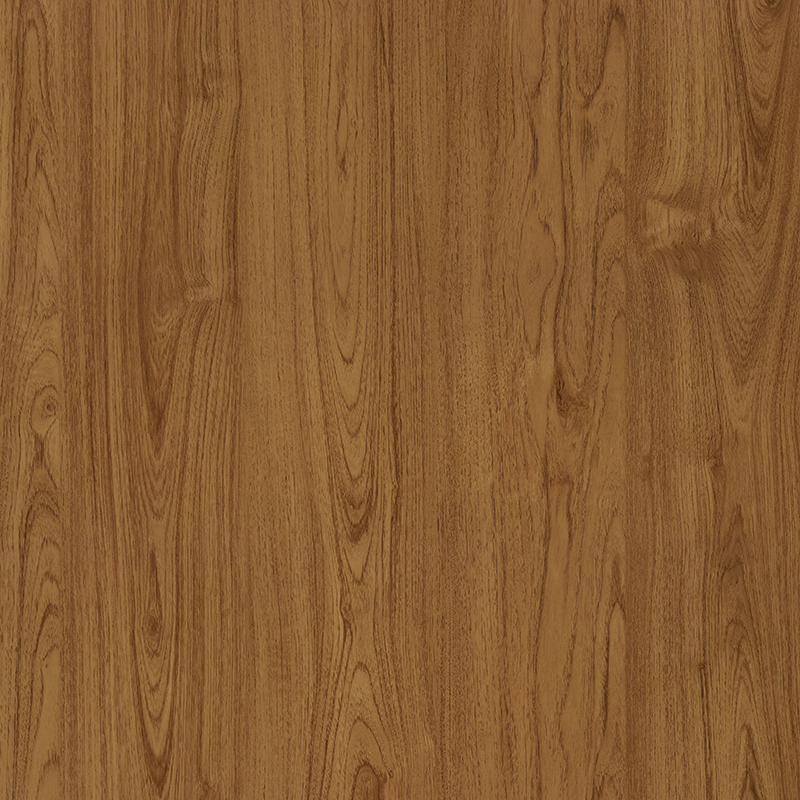
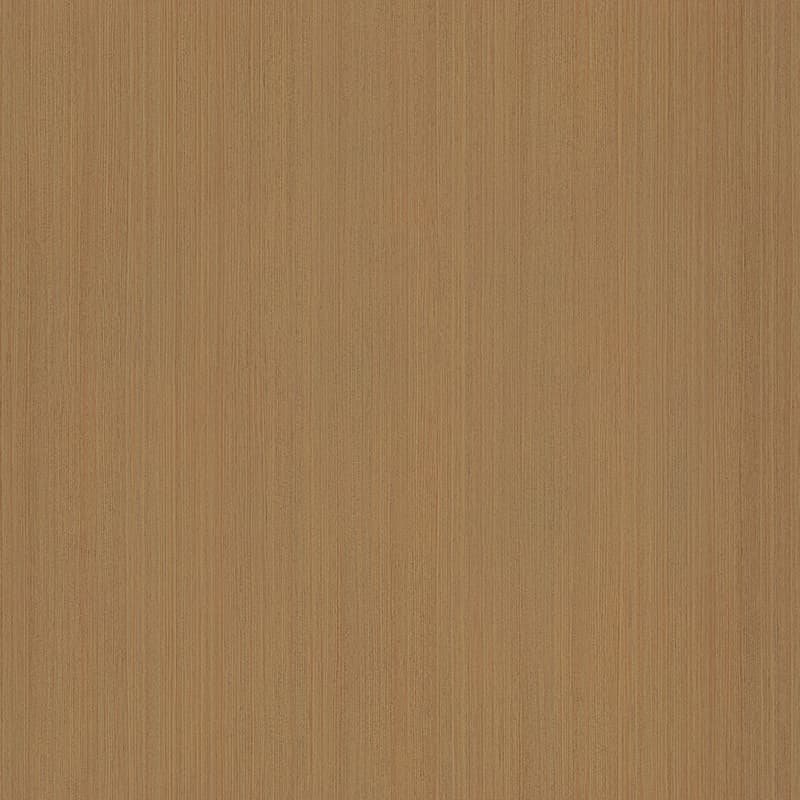
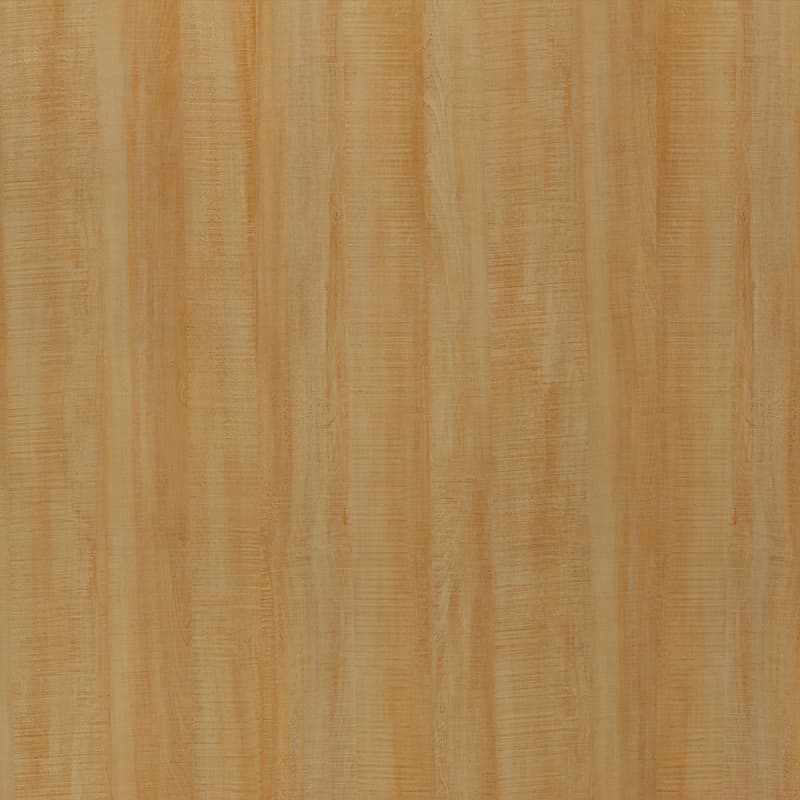
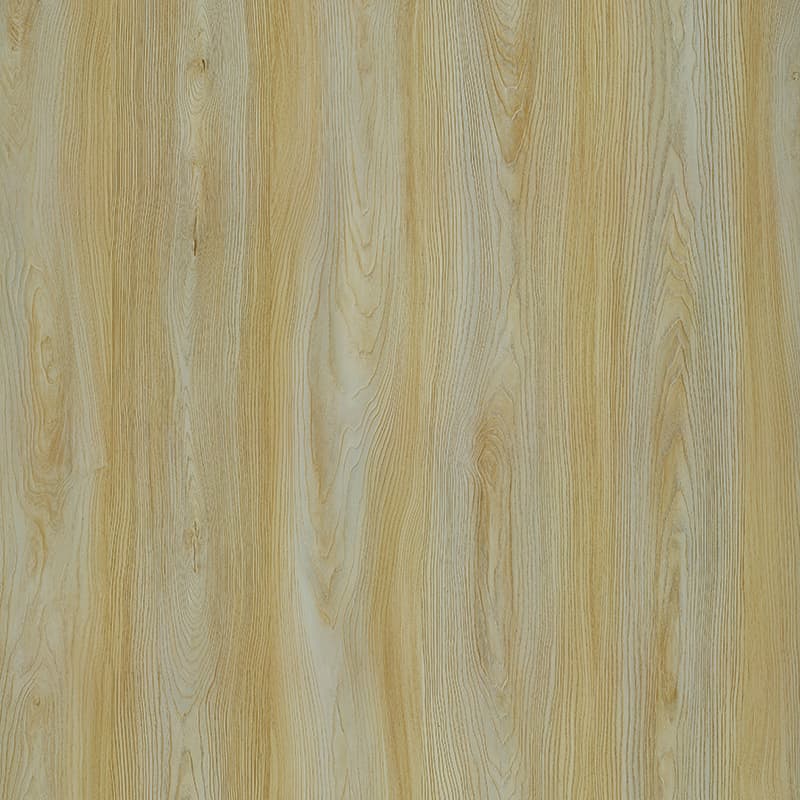

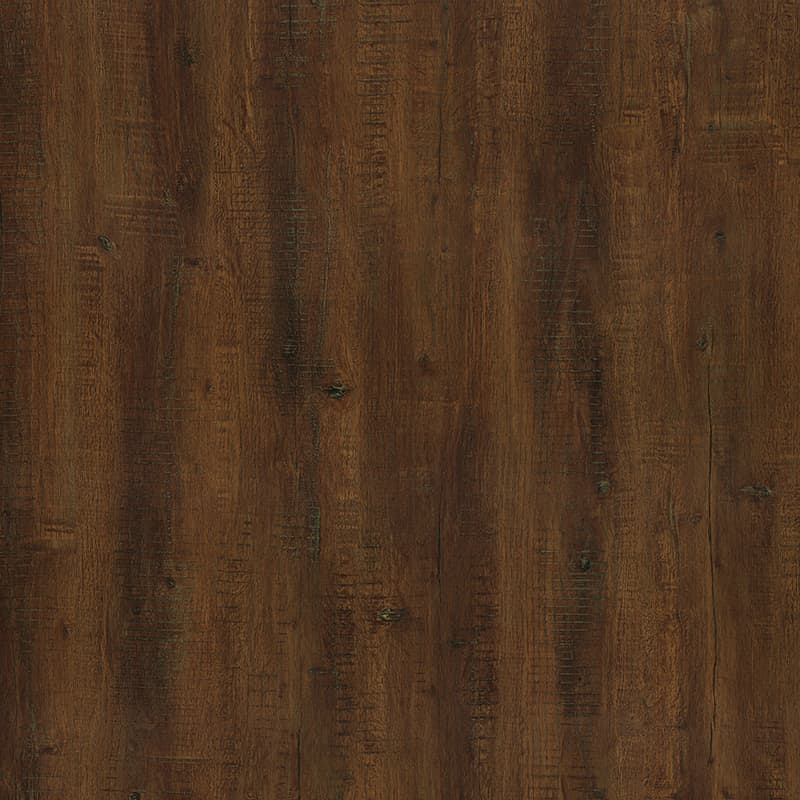
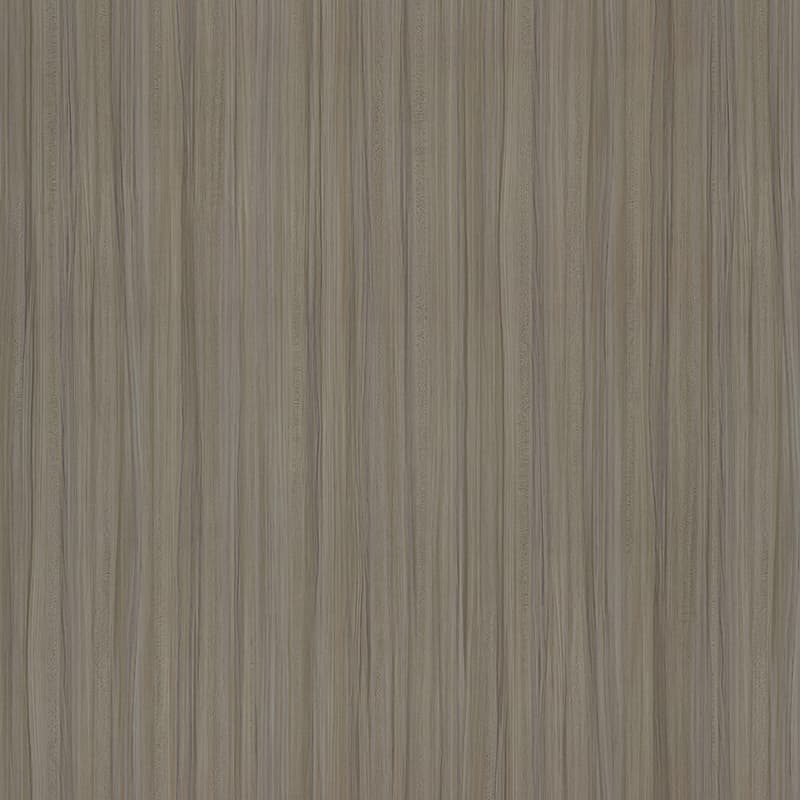
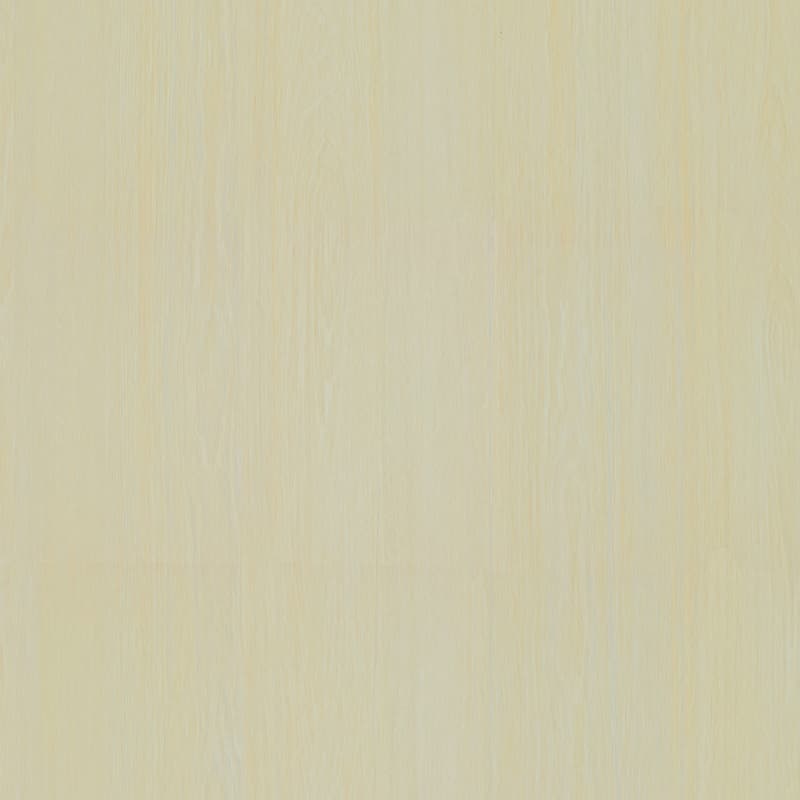
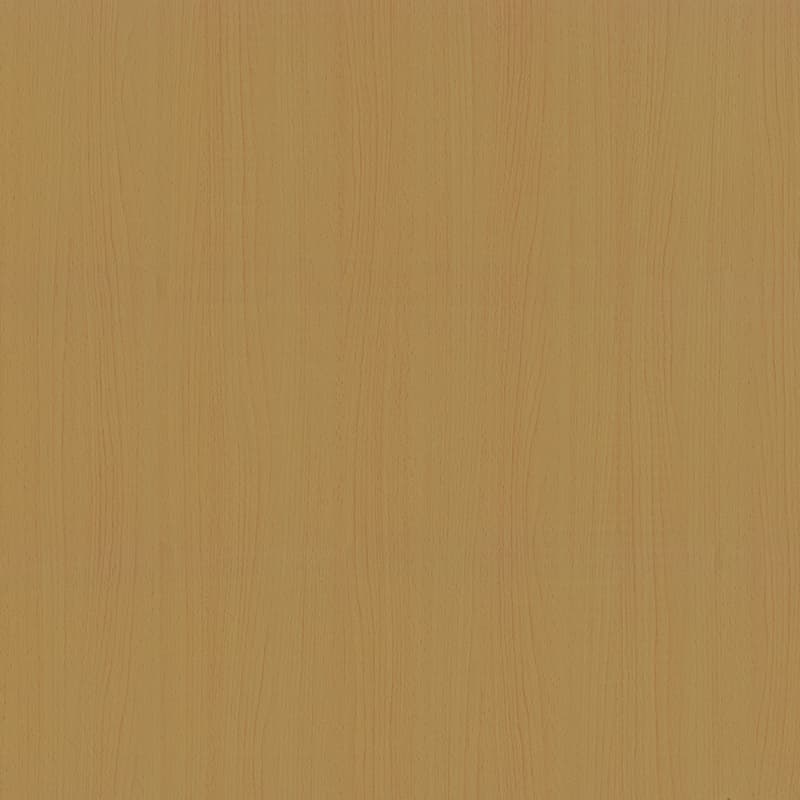
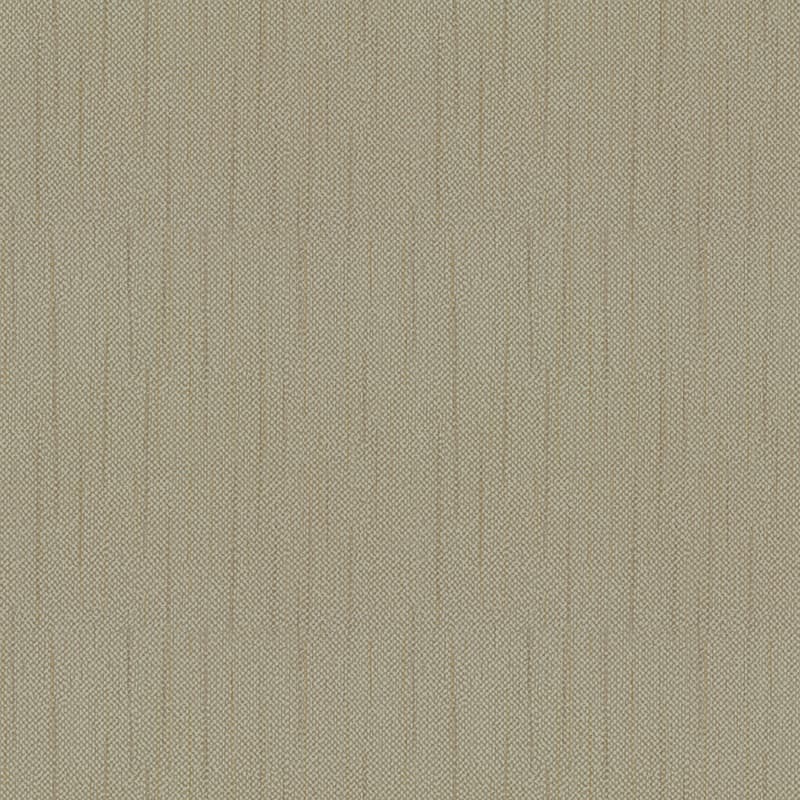
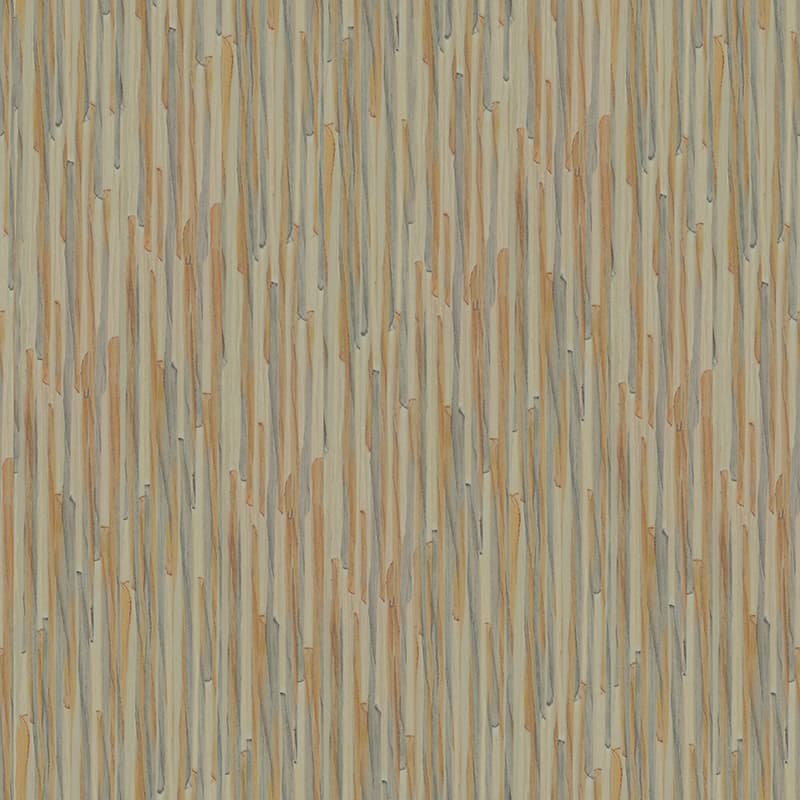

To make the life more colorful
What Is PVC Woven Grain Decorative Film?
PVC woven grain decorative film is a surface finishing material engineered to replicate the look and tactile quality of woven textiles — such as linen, canvas, or rattan — using a flexible polyvinyl chloride (PVC) substrate. The surface pattern is produced through precision embossing or printing processes that create a consistent, repeating weave texture with defined depth and directionality.
Unlike natural fabric laminates, PVC woven grain film delivers dimensional stability, moisture resistance, and chemical durability that organic materials cannot match in demanding interior environments. It is supplied in roll form and applied to rigid panels, furniture components, wall systems, and decorative profiles through heat lamination, cold glue bonding, or vacuum pressing.
The film has become a standard material in commercial interiors, residential fit-outs, and OEM furniture manufacturing where a textile aesthetic is desired without the maintenance demands of real fabric.
Surface Texture Variants and Visual Characteristics
Woven grain embossing is not a single pattern — it encompasses a broad family of textures that vary in weave scale, depth, and directionality. Understanding the key variants helps specifiers match the right film to the design intent.
- Fine linen grain — tightly spaced parallel weave lines with shallow embossing depth, producing a matte, sophisticated surface suited to luxury furniture and cabinetry.
- Canvas grain — a balanced plain-weave pattern with moderate relief, commonly used in wall panels, wardrobe doors, and office partitions.
- Rattan/wicker grain — an open diagonal weave with pronounced depth, often paired with warm neutral or earthy colorways for lifestyle and hospitality furniture.
- Geometric woven grain — structured patterns such as herringbone or twill used in contemporary architectural panels and feature surfaces.
Gloss levels typically range from 3 to 15 GU (matte to semi-matte), which reduces light reflection and reinforces the natural textile impression. High-gloss finishes are less common but available for accent applications.
Key Technical Specifications to Evaluate
When sourcing PVC woven grain decorative film, the following parameters directly affect processing performance and end-use suitability:
| Parameter | Typical Range | Impact |
|---|---|---|
| Total thickness | 0.12 mm – 0.50 mm | Wrapping radius, embossing depth retention |
| Gloss level | 3 – 30 GU | Visual texture perception, fingerprint resistance |
| Tensile strength | ≥ 25 N/mm² | Profile wrapping and edge pull resistance |
| Elongation at break | 100% – 250% | Conformability to curved substrates |
| Surface coating | PU / UV topcoat | Scratch resistance, cleanability, chemical resistance |
| Roll width | 1260 mm – 1400 mm | Lamination line compatibility, material yield |
Films with a UV-cured topcoat outperform standard PU-coated variants in abrasion resistance by approximately 30–40% based on Taber abrasion testing, making them preferable for high-contact surfaces such as tabletops and drawer fronts.
Primary Applications Across Industries
PVC woven grain decorative film is specified across a wide range of sectors where durability and design consistency must coexist:
Furniture Manufacturing
Flat panel lamination and membrane pressing apply woven grain film to MDF, particleboard, and plywood cabinet doors, drawer panels, and tabletop surfaces. The film allows furniture producers to achieve premium textile aesthetics at a fraction of the cost of upholstered or natural-veneer surfaces, with no risk of fraying, staining, or fiber degradation.
Architectural Wall Panels and Partitions
In commercial interiors — hotels, offices, retail environments, and healthcare facilities — woven grain film is laminated to MDF or aluminum composite panels for wall cladding systems. The consistent repeat pattern enables seamless alignment across large surface areas, which is difficult to achieve with actual fabric wall coverings.
Door Skins and Decorative Profiles
Thinner grades (0.12 mm – 0.18 mm) are used in profile wrapping for door frames, skirting boards, and decorative moldings. The film's controlled elongation allows it to conform to complex cross-sectional geometries without cracking or texture distortion.
Automotive and Transportation Interiors
Woven grain PVC films designed to meet automotive interior standards (temperature resistance up to 90°C, UV stability ≥ 400 hours per ISO 105-B02) are used in trim panels, dashboard inserts, and headliner accents where a fabric-style finish is specified without added weight.
Lamination Process Compatibility
Choosing the correct bonding method is as important as selecting the right film. The three principal lamination methods each impose different requirements on film flexibility and adhesive compatibility:
- Flat lamination (hot or cold press) — Standard for panel production; requires good dimensional stability under heat and pressure. Films with a backing fabric or non-woven reinforcement layer offer superior dimensional stability during pressing.
- Vacuum membrane pressing — Used for three-dimensional door profiles and routed panels; demands high elongation (≥ 150%) and a softening temperature compatible with the press cycle (typically 60–90°C).
- Profile wrapping — Continuous hot-melt or EVA adhesive bonding over linear profiles; film must maintain emboss definition around tight radii without surface whitening or adhesive bleed-through.
Suppliers should provide lamination parameter recommendations including recommended press temperature, pressure, and dwell time for each film grade to minimize trial-and-error on the production floor.
Durability Performance and Testing Standards
A quality PVC woven grain decorative film should be validated against recognized test standards before specification. The following benchmarks are commonly referenced in B2B procurement:
- Abrasion resistance: ≥ 500 cycles (Taber, CS-10 wheel, 500g load) with no visible grain loss — EN 15186
- Light fastness: Grade ≥ 5 (ISO 105-B02 / Xenon arc, 200–400 hours depending on application)
- Chemical resistance: No surface change after 1-hour contact with common household agents (ethanol 70%, detergent solution) — EN 12720
- Formaldehyde emission: E1 or ENF grade (≤ 0.1 ppm) — EN 717-1 or JIS A 1460
- Heat resistance: No deformation or delamination after 30-minute exposure at 70°C
For projects targeting green building certifications such as LEED or BREEAM, verifying low VOC emission and RoHS compliance (restriction of hazardous substances including lead, cadmium, and phthalates) is essential prior to specification approval.
How to Select the Right PVC Woven Grain Decorative Film
Narrowing the specification comes down to four decisions:
- Define the substrate and lamination method — flat MDF panels, 3D membrane pressing, or profile wrapping each require a different thickness and elongation range.
- Select the texture scale — fine linen for premium residential, canvas or geometric for commercial, rattan for hospitality and lifestyle segments.
- Match the colorway to the design scheme — neutral warm tones (off-white, greige, sand, taupe) are the dominant commercial palette; charcoal and dark navy are preferred for contemporary feature surfaces.
- Confirm compliance requirements — specify emission standards, fire rating (where applicable), and any regional certification needed for the target market.
Requesting physical samples and a technical data sheet from your supplier before committing to a production run remains the most reliable way to verify that emboss depth, color accuracy, and surface performance meet the project specification.

