
 English
 русский

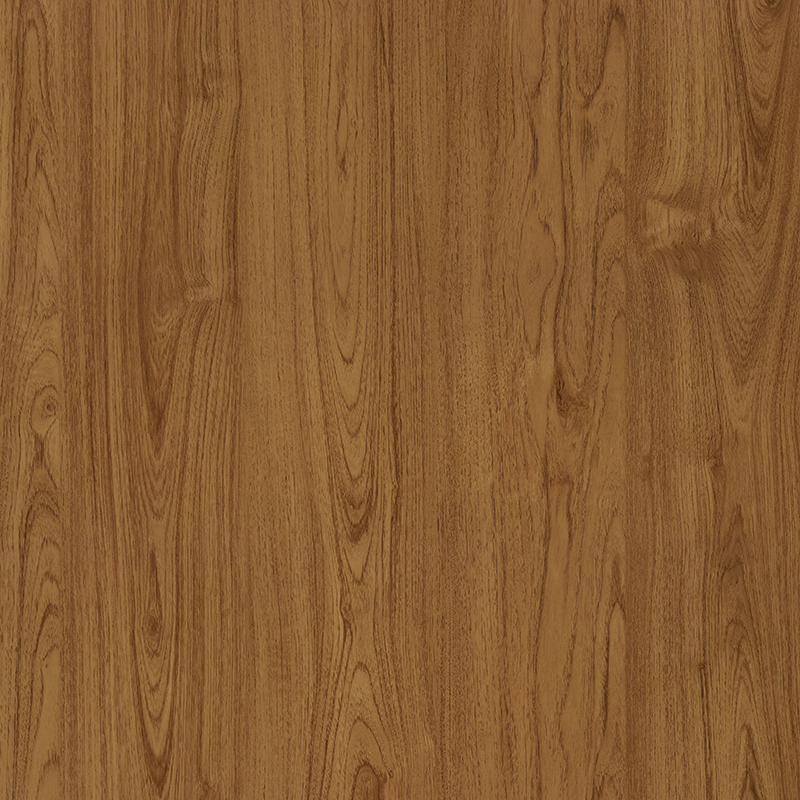
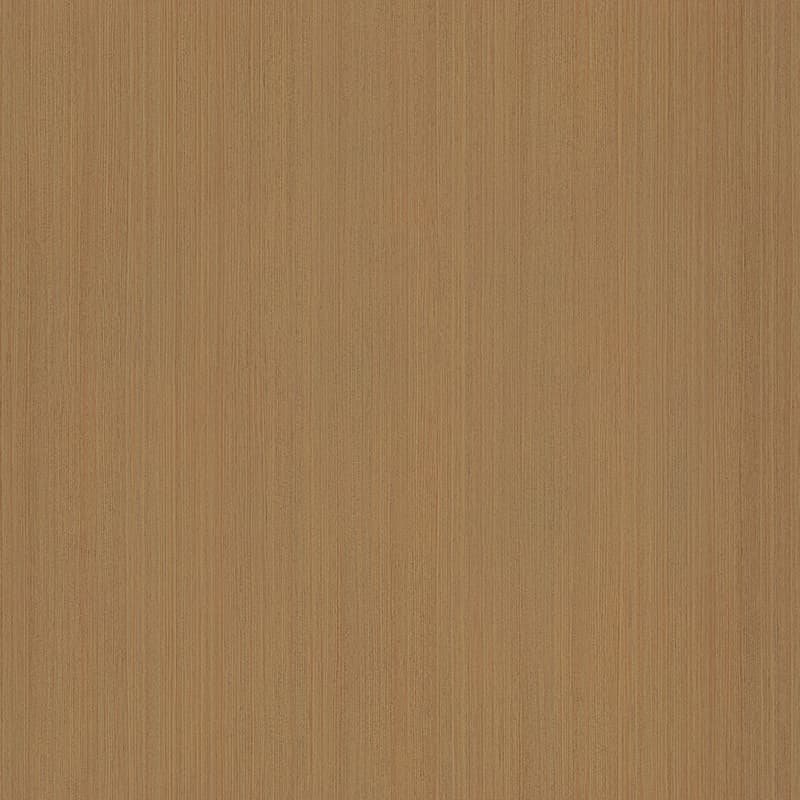
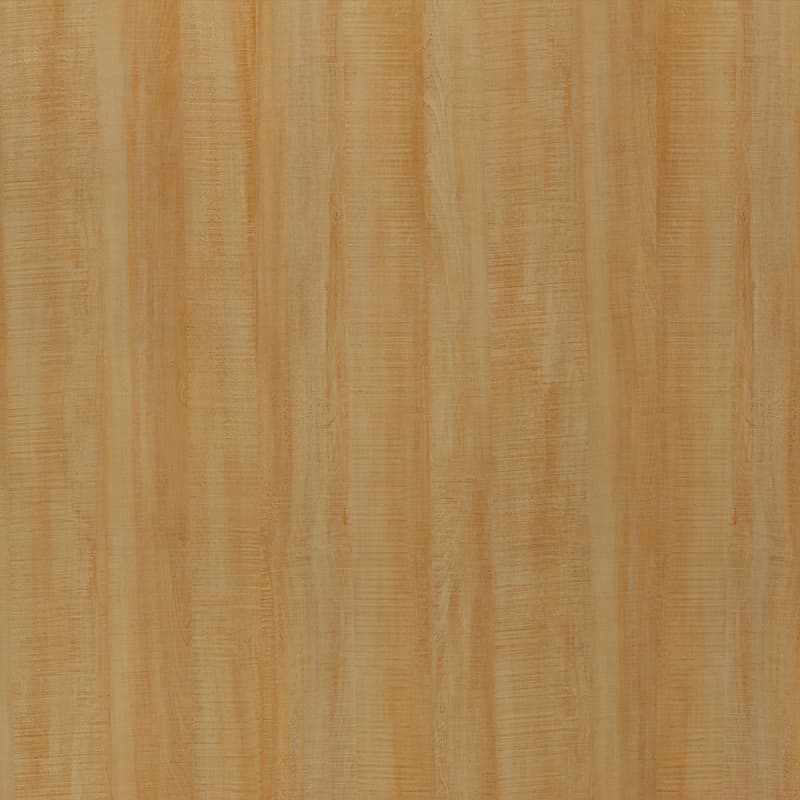
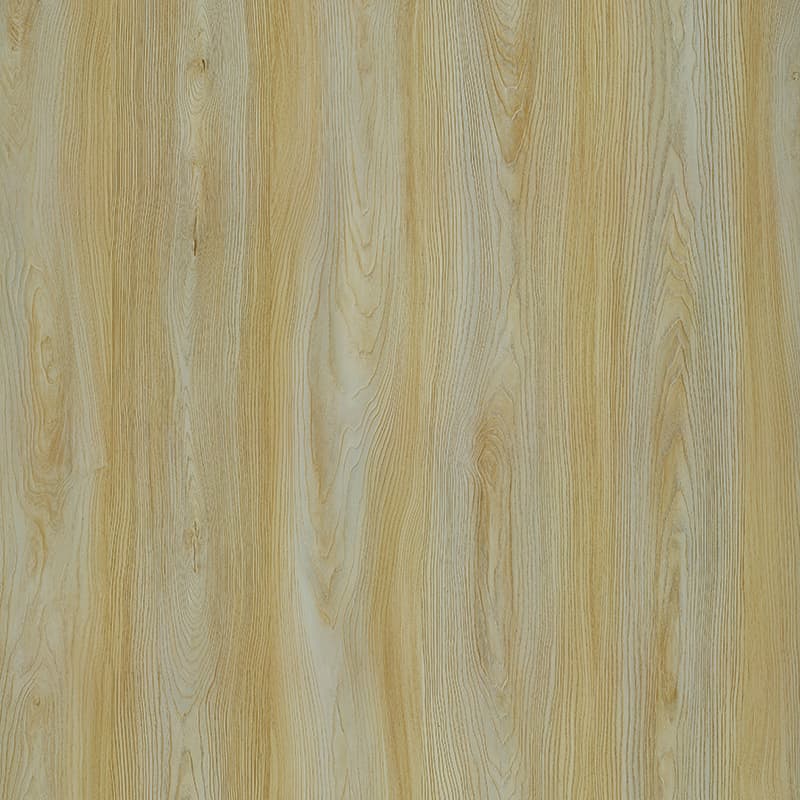



To make the life more colorful
What PVC Decorative Film Actually Does in a Finished Product
PVC decorative film serves a dual function that is easy to underestimate: it protects the substrate beneath it while simultaneously defining the entire visual character of the finished surface. Whether it is laminated onto an MDF cabinet door, heat-wrapped around a window profile, or applied to a wall panel, the film is what the end user sees, touches, and judges. That means its quality — the consistency of its color, the fidelity of its grain or texture, its scratch resistance, its dimensional stability under heat — directly determines whether a furniture piece or interior component looks premium or cheap five years after installation.
Over the past two decades working with customers across more than 30 countries, we have found that buyers who understand film construction make significantly better sourcing decisions and experience fewer downstream quality complaints. This article is intended as a practical reference for procurement managers, furniture manufacturers, panel processors, and interior contractors who want to source PVC decorative film with confidence.
The Main Types of PVC Decorative Film and Where Each One Belongs
Not all PVC decorative film is interchangeable. The type you need depends on the application method, the substrate, the end-use environment, and the design requirement. Here is how the main categories break down:
Wood Grain Film
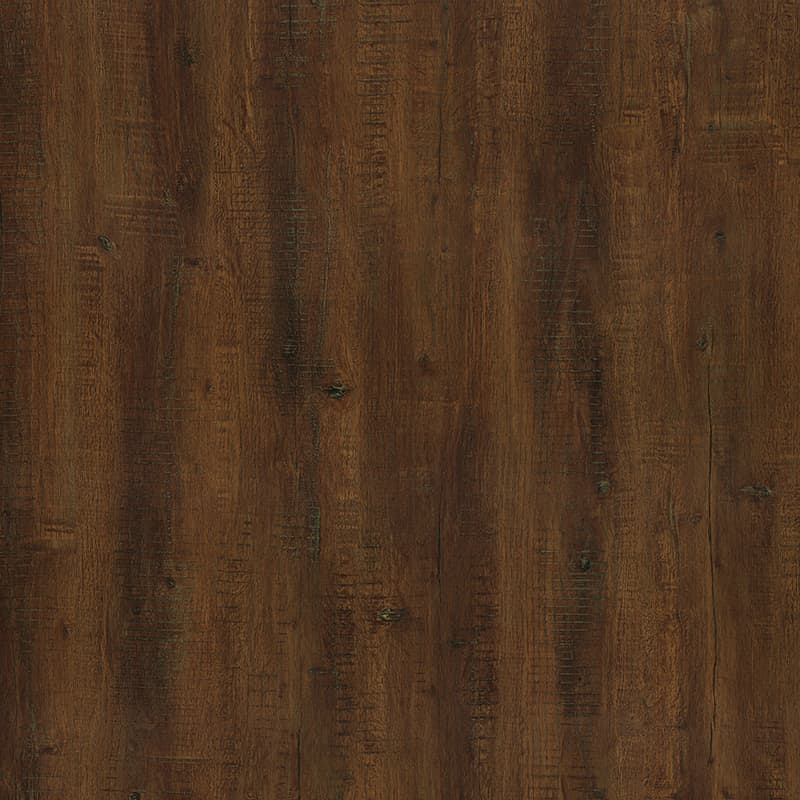
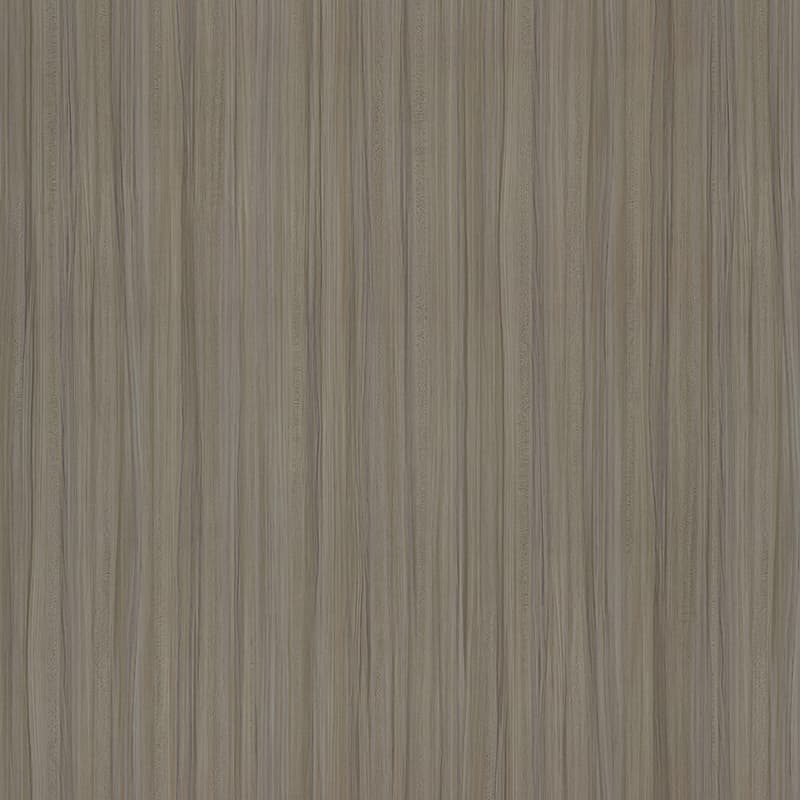
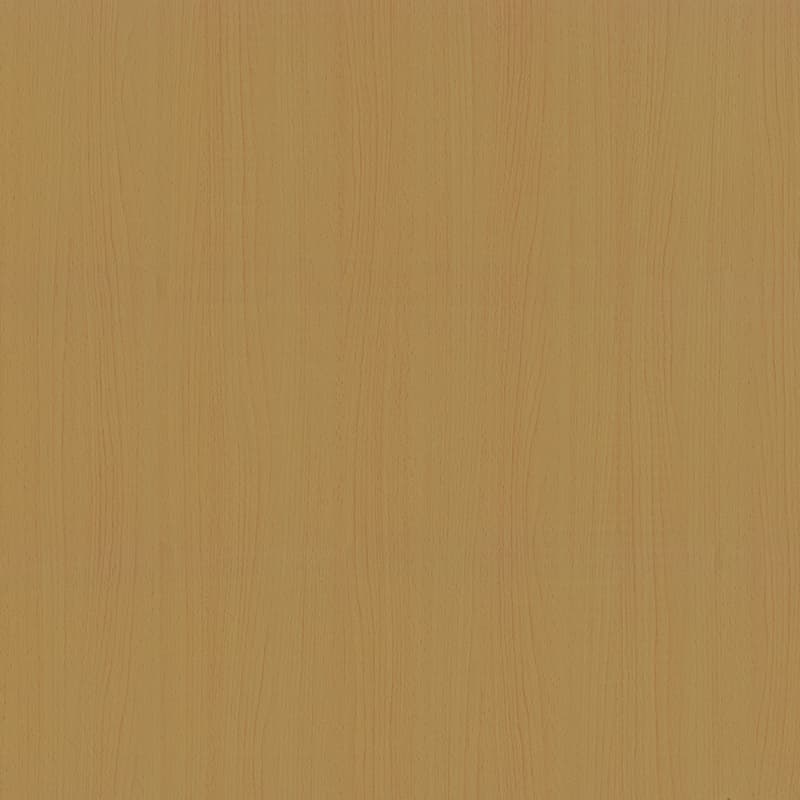
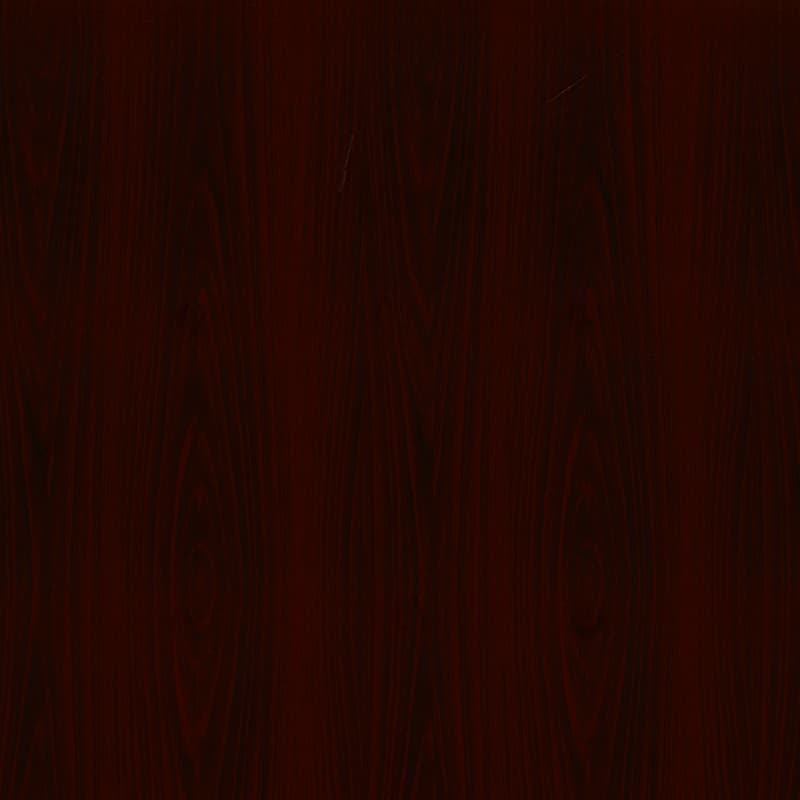
Wood grain PVC film is the single largest category in the decorative film market. It mimics the appearance of oak, walnut, teak, pine, cherry, and dozens of other species — without the cost, weight, or supply variability of real wood veneer. Modern printing and embossing technology allows the grain texture to align with the printed pattern, producing a surface that reads as convincingly natural even at close range. It is widely used on kitchen cabinet doors, wardrobe panels, office furniture, skirting boards, and door frames.
Marble and Stone Design Film
Marble grain film captures the veining, depth, and tonal variation of natural stone at a fraction of the weight and cost. A full slab of natural marble for a kitchen countertop can weigh over 150 kg and require specialized installation. A marble-finish PVC film on an engineered substrate delivers a comparable aesthetic with far simpler logistics. This category is popular for wall panels, bathroom surfaces, commercial reception desks, and retail displays.
Woven and Textile Design Film
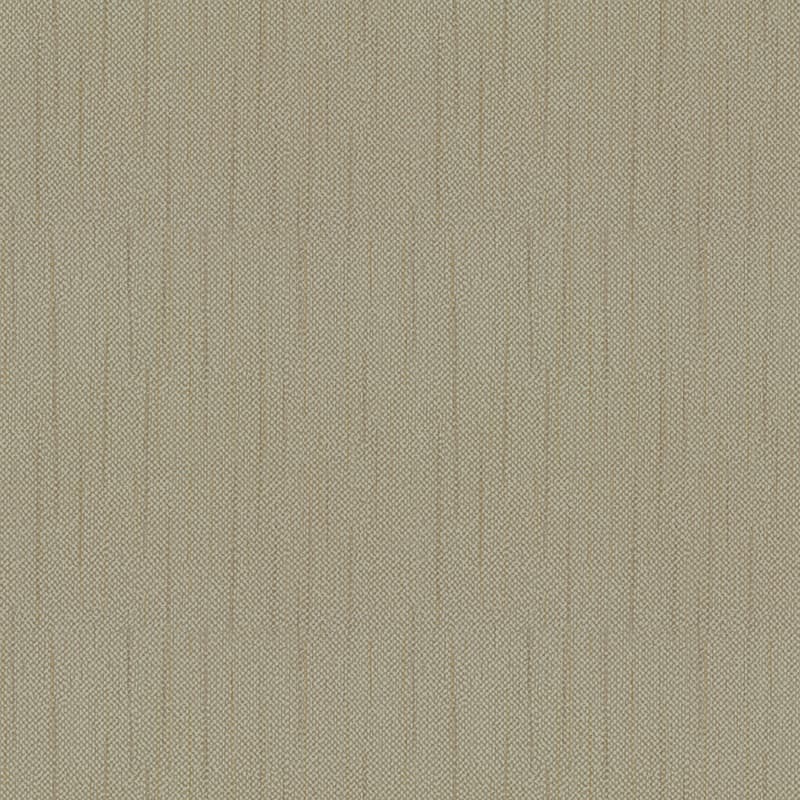
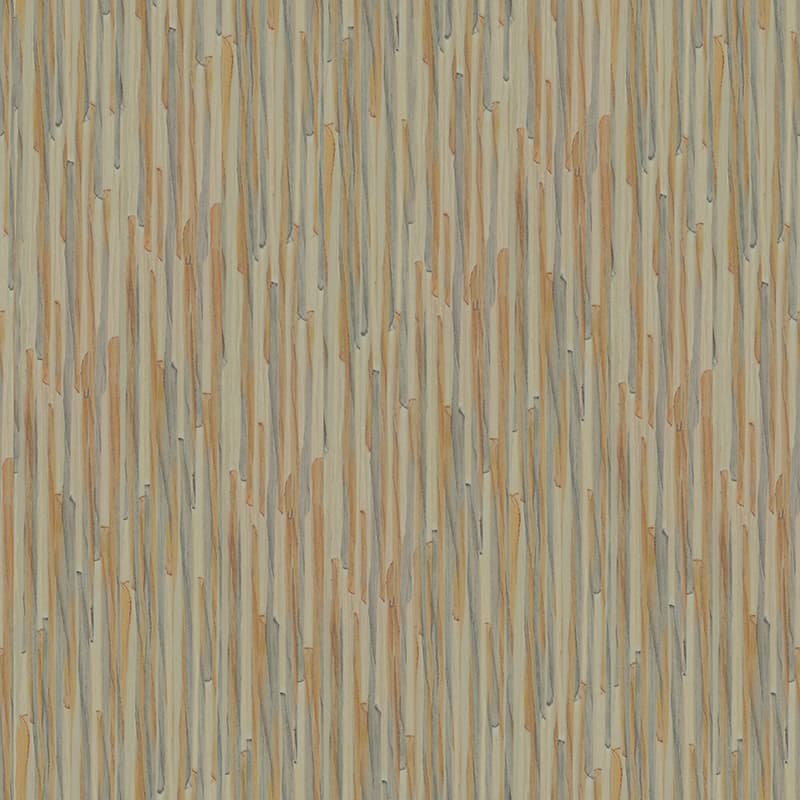
Woven grain film replicates the look of rattan, linen, canvas, or other fabric surfaces. It adds tactile interest and is particularly common in furniture designed for hospitality, retail interiors, and residential living rooms where a softer, more organic aesthetic is desired. The embossed texture is an important part of its appeal — the surface should feel as intentional as it looks.
Solid Color and Special Effect Film
Beyond natural material mimicry, PVC decorative film is also produced in solid colors, high-gloss finishes, metallic effects, and custom printed patterns. High-gloss solid film in particular has become a signature look in contemporary kitchen design, where its reflective surface amplifies light and creates a clean, modern appearance. Matte variants offer an understated alternative that shows fewer fingerprints in daily use.
Our PVC decorative film product range covers all of the above categories — wood grain, marble, woven, and other specialty series — with thousands of designs available and custom color matching supported for larger orders.
Key Performance Parameters You Should Evaluate Before Buying
Design is the most visible factor, but it is not the only one that matters. The following technical properties determine how the film performs in production and how long it retains its appearance in service.
| Parameter | Why It Matters | Typical Requirement |
|---|---|---|
| Thickness | Affects lamination pressure tolerance, wrap flexibility, and durability | 0.12 mm – 0.50 mm depending on application |
| Gloss Level | Determines surface sheen; affects cleaning ease and visual style | Matte (5–15 GU), Semi-gloss (30–60 GU), High-gloss (80+ GU) |
| Tensile Strength | Critical for membrane press and 3D wrapping processes | ≥ 20 MPa (longitudinal) |
| Elongation at Break | Determines how well the film conforms to curved or routed profiles | ≥ 150% |
| Scratch Resistance | Directly impacts longevity of furniture and cabinetry surfaces | Pencil hardness ≥ 2H for high-traffic applications |
| Color Fastness | Prevents fading in ambient light exposure | ≥ Grade 4 on ISO 105-B02 xenon arc test |
| Formaldehyde Emission | Relevant for residential and children's furniture compliance | E1 or E0 standard depending on market |
When requesting samples or quotations, ask suppliers to provide test data for at least the first four parameters in the table above. Reputable manufacturers will have this documentation readily available. A supplier who cannot provide basic physical property data is a significant risk for your production quality control.
Application Methods and Which Film Specifications Each Requires
The way PVC decorative film is applied to a substrate is just as important as the film's own properties. Different application methods place different demands on the film, and sourcing the wrong specification can cause production failures even when the design is exactly what you want.
Flat Lamination
In flat lamination, the film is adhesive-bonded to a flat substrate — typically MDF, particleboard, or plywood — under pressure in a cold or hot press. This is the most common application for furniture panel faces. Film thickness of 0.18 mm to 0.30 mm is generally ideal for this process, offering enough body to resist telegraphing (where surface imperfections in the substrate show through the film) without being too rigid for even pressure distribution.
Membrane Pressing (Vacuum Forming)
Membrane pressing uses vacuum pressure and heat to stretch the film over a three-dimensional routed panel — typically a cabinet door with a raised center panel or decorative routing. The film must have high elongation (typically ≥ 180%) and excellent heat softening behavior to conform cleanly to deep profiles without tearing or whitening at bends. Films intended only for flat lamination will typically fail in membrane pressing.
Profile Wrapping
Profile wrapping machines continuously apply film around extruded PVC or MDF profiles — window frames, skirting boards, architraves, and edge banding. The film is fed through rollers with adhesive applied inline. This process requires excellent tensile consistency across the roll width and a surface coating compatible with the adhesive system in use. Roll-to-roll dimensional consistency is critical, as any width variation causes misregistration of the grain pattern at edges.
Self-Adhesive Application
Self-adhesive PVC decorative film comes with a pre-applied pressure-sensitive adhesive and a release liner. It is used for renovation, retail display, and light-duty surface decoration where speed and repositionability are priorities. The adhesive quality determines both the initial tack and the long-term bond strength — a common complaint with lower-grade self-adhesive film is edge lifting within 12 to 18 months in humid environments.
Surface Finish Options and Their Practical Implications
The surface finish of a PVC decorative film affects aesthetics, maintenance, and suitability for different environments. The three primary finish categories are:
- High Gloss: Highly reflective and visually striking, but shows fingerprints readily. Best suited to kitchen fronts, display units, and applications where regular cleaning is routine. A high-gloss surface reads as premium and modern, which is why it commands a price premium in the kitchen market.
- Matte: Diffused light reflection gives a softer, more understated appearance. Easier to maintain in daily use because fingerprints and minor marks are far less visible. Currently gaining market share as the dominant aesthetic in Scandinavian-influenced and minimalist interior design.
- Embossed / Textured: The surface texture is physically imprinted during manufacturing, adding a tactile dimension that reinforces the printed design. A wood grain film with a synchronized emboss — where the raised grain texture aligns with the printed grain lines — creates a significantly more realistic result than a flat print alone. Textured surfaces also tend to hide minor handling marks better than smooth high-gloss variants.
The choice of finish should be made early in the product development process. Changing from matte to gloss at the lamination stage is not simply a film swap — it often requires different adhesive systems and different press settings, and it will visibly change the final product.
How to Evaluate a PVC Decorative Film Supplier
Sourcing decorative film is not a commodity purchase, even though it can appear that way on a price list. The supplier's manufacturing capability and quality management directly affect your production consistency and end-product reputation. When evaluating suppliers, pay attention to the following:
- Production capacity and line count. A supplier running 14 or more production lines has the infrastructure to handle large or varied orders without compromising lead times. Smaller operations may offer lower prices but struggle with volume consistency.
- Design library depth. A library of 10,000+ patterns means you are more likely to find designs that suit your market without paying for custom development. It also indicates investment in R&D over time.
- Color matching capability. If you have an existing product line or customer specification to match, the supplier must be able to perform color matching and maintain batch-to-batch consistency. Ask for their delta E tolerance standards.
- Sample policy. A reputable manufacturer will provide samples — typically at the buyer's cost for shipping, refunded against a first order. Be cautious of suppliers unwilling to provide physical samples before an order is placed.
- Export experience. A supplier who ships to 30+ countries has navigated documentation requirements, freight logistics, and international quality expectations. This experience reduces your administrative burden and risk.
- Certifications and compliance documentation. For markets with formaldehyde emission standards (EU, North America, Japan), ensure the supplier can provide current test reports. For food-adjacent applications, food-contact safety documentation may also be required.
At Haining Dilong Yongfu, we have been manufacturing PVC decorative film since 1999 and currently serve customers across more than 30 countries. Our facility covers 30,000 square meters with 14 production lines, and we maintain a design library exceeding 10,000 patterns across wood grain, marble, woven, and specialty series.
Common Sourcing Mistakes and How to Avoid Them
Even experienced buyers make predictable errors when sourcing decorative film. The following are the most frequent problems we see, and how to address them before they become costly.
Buying on price per meter without specifying thickness
A film at 0.14 mm will always be cheaper than a film at 0.22 mm at the same print quality. If your purchase order does not specify thickness, you may receive a thinner film that performs poorly in your lamination process. Always specify thickness tolerance alongside price, and request confirmation in the order acknowledgment.
Approving a digital design instead of a physical sample
Color and texture cannot be accurately evaluated on a screen. Monitor calibration, ambient light, and photographic conditions all affect how a digital image reads. A wood grain that looks warm amber on screen may appear red-toned under the fluorescent lighting of a furniture showroom. Always approve a physical sample under your actual display or installation lighting before placing a production order.
Not accounting for minimum order quantities in your color range
Manufacturers typically offer lower pricing above a threshold — commonly around 20,000 meters per color. If your product line includes 12 colors and you only need 3,000 meters of each, your actual cost per meter may be significantly higher than the quoted price for a single popular color. Plan your color range with MOQ economics in mind, or find a supplier who can consolidate mixed-color orders.
Ignoring roll core and winding specifications
PVC decorative film is supplied in rolls, and the roll dimensions need to match your lamination or wrapping equipment. Standard roll widths range from 1,260 mm to 1,400 mm, but not all equipment accepts all widths. Core diameter, maximum roll diameter, and winding direction (face-in vs. face-out) are details that should be confirmed with both your equipment manufacturer and your film supplier before the first shipment.
Design Trends Currently Driving Demand in the PVC Decorative Film Market
Understanding which aesthetics are gaining market share helps you make better decisions about which film designs to stock or specify. Based on order patterns we observe across our international customer base, the following trends are currently most active:
- Light-toned wood grains: Ash, birch, and light oak tones continue to dominate residential furniture and kitchen markets globally. These work across a wide range of interior color palettes and photograph well for e-commerce listings.
- Dark walnut and smoked oak: As a counterpoint to the light wood trend, deep-toned grains are popular in premium and commercial furniture where a more substantial, heritage aesthetic is desired.
- Calacatta and Statuario marble designs: White marble with bold dark veining has become a strong design language in kitchen and bathroom surfaces. High-resolution printing has significantly improved the realism of these patterns compared to designs from five years ago.
- Matte black and matte navy: Solid dark matte films are increasingly specified for kitchen handles, appliance panels, and accent furniture — often mixed with natural wood grain to create contrast-rich compositions.
- Tactile woven textures: Rattan and linen-grain films are appearing in lounge furniture, headboards, and decorative wall paneling, reflecting the broader market interest in biophilic and artisanal material aesthetics.
If you are building a product line targeting any of these trends, our PVC decorative film product series — including wood grain, marble design, and woven design collections — covers all of them with a wide selection of colorways and surface finishes.
Storage and Handling Recommendations to Protect Film Quality
PVC decorative film is more sensitive to storage conditions than many buyers realize. Improper storage is one of the most common causes of lamination defects that get incorrectly attributed to the film's quality. The following conditions should be maintained:
- Temperature: Store rolls at 15°C to 25°C. Exposure to temperatures above 40°C for extended periods can cause the film to block (stick to itself on the roll) or change dimensions, which will affect lamination consistency.
- Humidity: Maintain relative humidity between 40% and 70%. High humidity can affect adhesive-backed films and may cause dimensional changes in the film itself over time.
- Orientation: Store rolls horizontally on rack systems, not standing vertically. Vertical storage concentrates weight on one edge of the roll and can cause deformation that leads to uneven feeding in lamination equipment.
- Light exposure: Keep rolls wrapped or in their original packaging until ready for use. Prolonged UV exposure before lamination can cause surface yellowing in some PVC formulations.
- Shelf life: Most PVC decorative film has a recommended use-within period of 12 months from the date of manufacture when stored correctly. Check the roll label for production dates and rotate stock accordingly.

