
 English
 русский

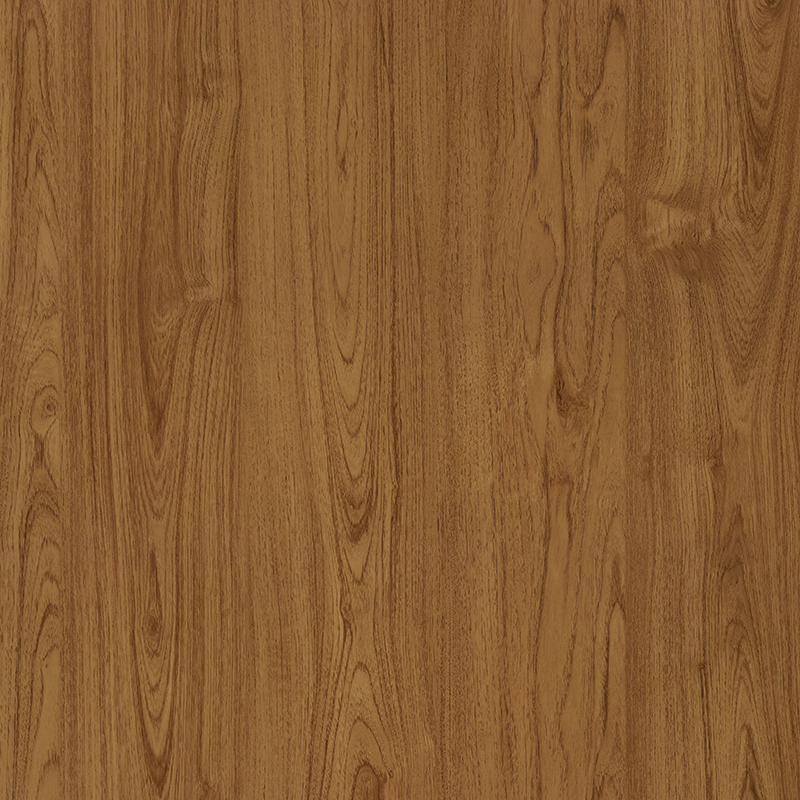
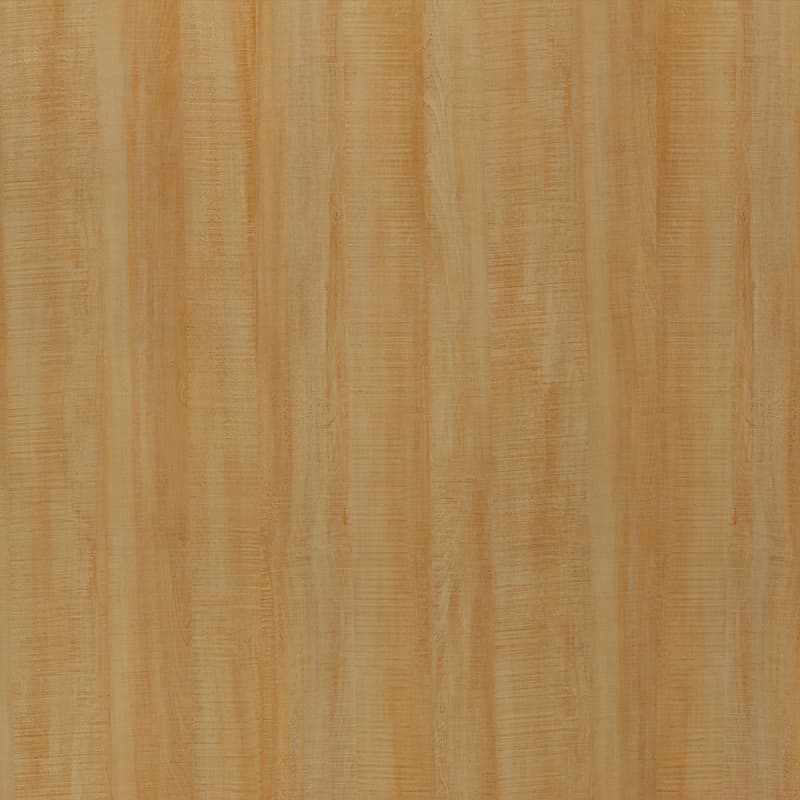
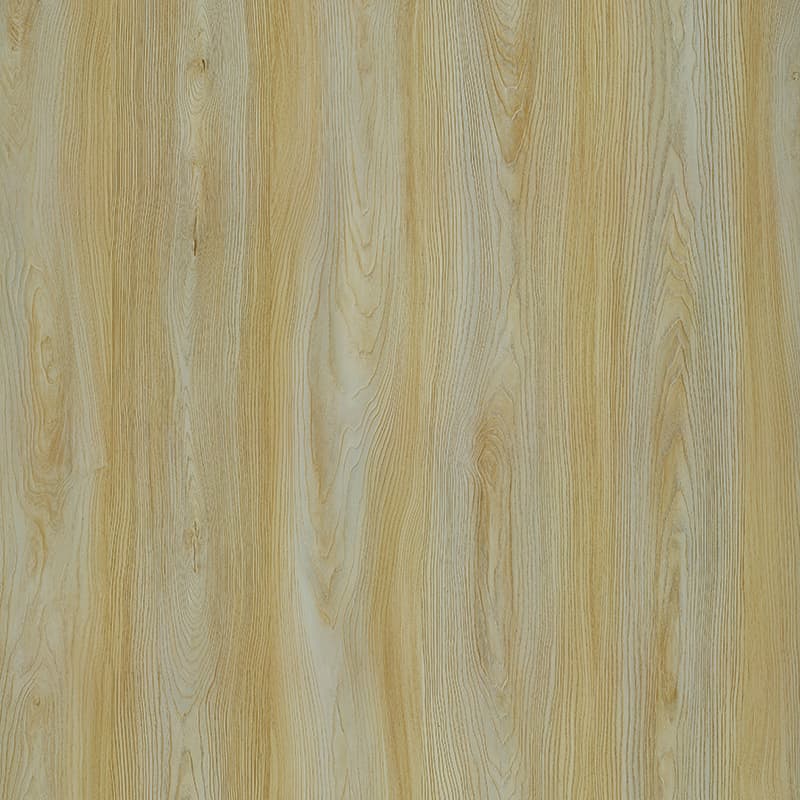

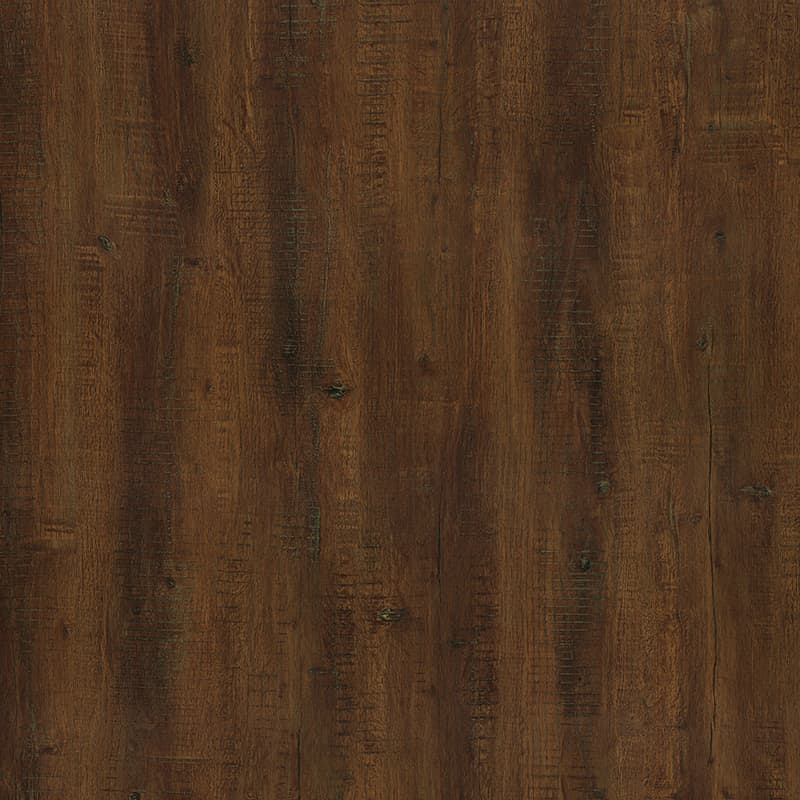
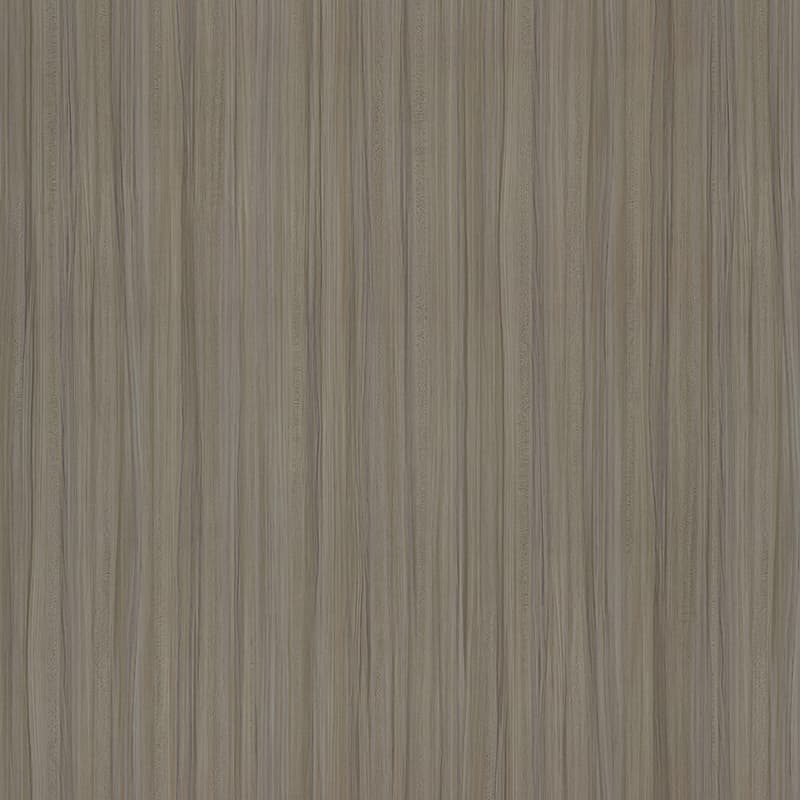
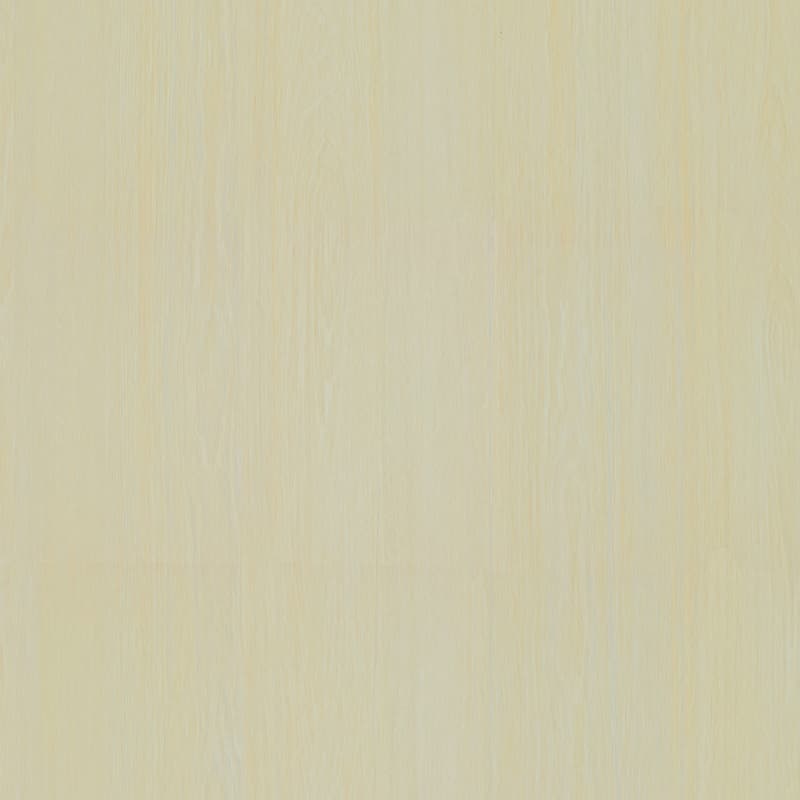
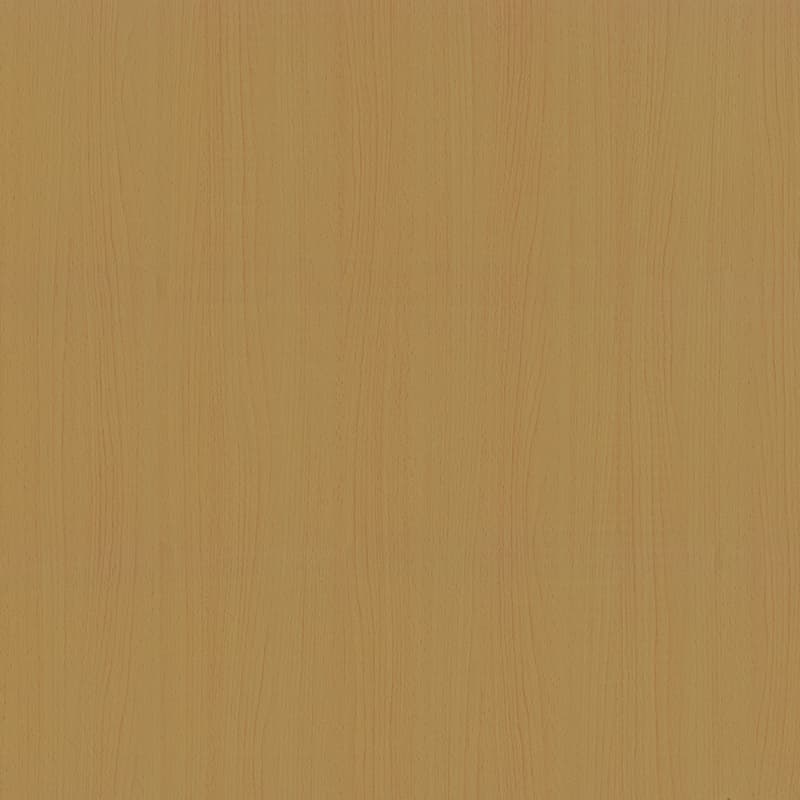

To make the life more colorful
PVC woven grain decorative film is a surface finishing material that replicates the look and texture of woven fabric using a structured PVC base layer. It is widely used in furniture manufacturing, interior wall panels, cabinet doors, and architectural millwork where a textile-like aesthetic is desired without the cost or maintenance of actual fabric. The film is applied through lamination or heat pressing, resulting in a durable, cleanable, and visually rich surface that holds up in both residential and commercial environments.
This article breaks down the material properties, practical applications, surface performance data, and selection criteria for PVC woven grain decorative film so you can make informed sourcing and design decisions.
What Is PVC Woven Grain Decorative Film
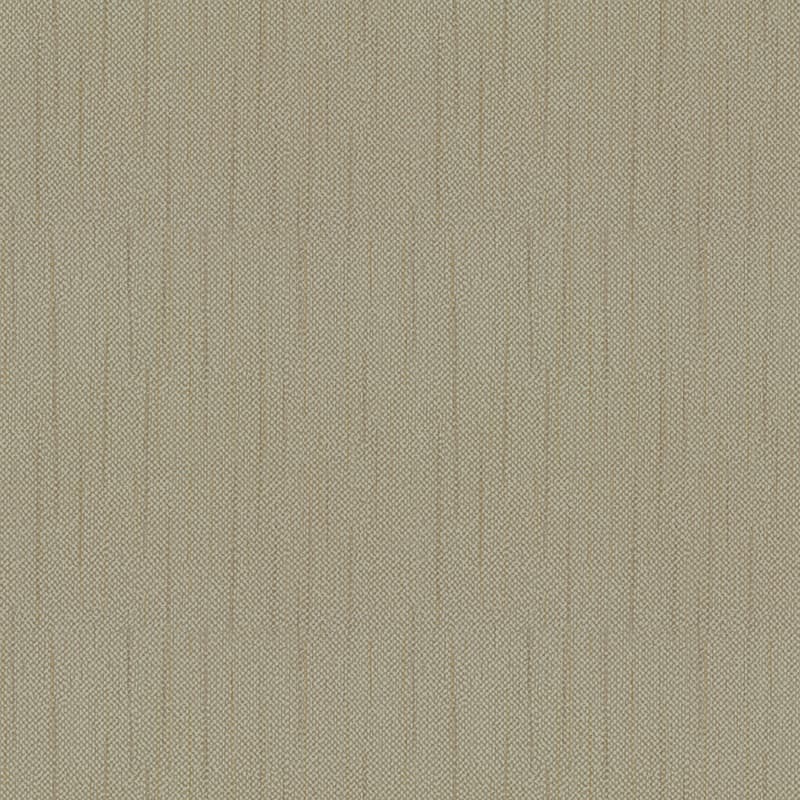
PVC woven grain decorative film is produced by embossing a polyvinyl chloride film with a relief pattern that imitates the interlaced structure of woven textiles such as linen, rattan, burlap, or basket weave. The grain depth typically ranges from 0.05 mm to 0.15 mm, giving the surface a tactile quality that reads as fabric under both direct light and touch.
The film structure generally consists of three layers:
- A printed decorative layer carrying the woven pattern design and colorway
- A base PVC layer providing structural rigidity and flexibility
- A protective topcoat, often matte or low-gloss, that controls sheen and improves abrasion resistance
Total film thickness typically ranges from 0.18 mm to 0.35 mm, with thicker versions suited to high-traffic furniture and thinner versions for vertical wall applications.
Key Performance Properties
Understanding the surface performance of PVC woven grain decorative film helps in matching the right specification to the intended application. The following table summarizes typical technical parameters across standard commercial grades.
| Property | Standard Range | High-Performance Grade |
|---|---|---|
| Total Thickness | 0.18 - 0.25 mm | 0.28 - 0.35 mm |
| Abrasion Resistance (Taber) | 200 - 400 cycles | 500 - 800 cycles |
| Peel Strength (after lamination) | 2.5 - 4.0 N/cm | 4.5 - 6.0 N/cm |
| Temperature Resistance | Up to 60 degrees C | Up to 80 degrees C |
| UV Resistance (Grey Scale) | Grade 3 - 4 | Grade 4 - 5 |
| Surface Gloss (60-degree angle) | 3 - 10 GU (matte) | 5 - 15 GU (satin matte) |
For furniture surfaces exposed to regular contact, selecting a film with at least 400 Taber abrasion cycles and a peel strength above 4.0 N/cm significantly reduces delamination risk and surface wear over time.
Common Application Areas
PVC woven grain decorative film is applied across a wide range of substrates and end-use categories. Its versatility comes from compatibility with both rigid and semi-flexible base materials.
Furniture and Cabinet Surfaces
Flat-panel furniture such as wardrobe doors, drawer fronts, and TV unit panels are among the most common uses. The woven grain texture adds visual depth that solid color films cannot achieve, making it a preferred option for mid-range furniture aimed at buyers who want a tactile, premium-looking finish without paying for real upholstery.
Interior Wall Panels and Feature Walls
In hospitality and retail interiors, PVC woven grain film is used on MDF or plywood wall panels to create accent walls with a fabric-inspired finish. Since the film is moisture-resistant and easy to wipe clean, it performs better in these environments than actual textile wall coverings, which are prone to staining and difficult to sanitize.
Door Skins and Architectural Panels
Hollow-core interior door skins laminated with woven grain PVC film are a cost-effective way to introduce texture into architectural millwork. The film wraps cleanly around door edges with a minimum bend radius of approximately 3 mm to 5 mm depending on film thickness and substrate temperature during pressing.
Retail Display and Exhibition Fixtures
Short-cycle or temporary display structures benefit from woven grain PVC film because the material can be applied quickly, does not require finishing after lamination, and delivers a consistent, high-quality appearance across large flat surfaces. Exhibition contractors often favor it for its lightweight nature and repeatable results.
Woven Grain Patterns and Design Variations
The woven grain category is not a single pattern but a family of surface textures differentiated by weave structure, grid scale, and directionality. The main pattern types in active production include:
- Plain weave grain: Equal-sized interlaced lines running perpendicular to each other, producing a fine uniform texture. Suitable for minimalist and Scandinavian-style interiors.
- Twill weave grain: Diagonal ridge patterns that create a sense of movement across the surface. Common in contemporary furniture aimed at office or commercial settings.
- Basket weave grain: Grouped bundles of parallel lines alternating horizontally and vertically, mimicking woven rattan or cane. Popular in boho-inspired and tropical residential interiors.
- Linen grain: An irregular, fine-threaded texture with slight random variation to emulate natural linen fabric. Frequently used in bedroom furniture and wardrobe systems.
- Herringbone grain: V-shaped weave rows that add a classic, structured aesthetic. Used in premium cabinet doors and hospitality furniture.
Color options range from neutral off-whites, warm beiges, and cool grays through to deeper charcoals and warm earth tones. Most manufacturers offer 15 to 40 standard colorways per pattern, with custom color development available for orders above a minimum quantity, often 3,000 to 5,000 linear meters.
Lamination Methods and Substrate Compatibility
The method of applying PVC woven grain decorative film directly affects adhesion quality, edge definition, and long-term durability. The three primary lamination methods are:
- Hot press lamination: Film is pressed onto the substrate under heat (typically 120 to 160 degrees C) and pressure using a membrane or flat-bed press. Best for flat panels. Produces high adhesion with minimal air entrapment.
- Cold roll lamination: Film is applied using adhesive at ambient temperature through a roller system. Faster cycle time but generally lower peel strength than hot press. Suitable for large-format display boards and temporary fixtures.
- Vacuum membrane pressing: Used for profiled or shaped substrates such as routed MDF doors. The film is heated and stretched over three-dimensional contours under vacuum. Requires a film with sufficient elongation at break, typically above 150 percent.
Compatible substrates include MDF, plywood, particle board, HDF door skins, aluminum composite panels, and rigid PVC sheets. MDF is the most common substrate due to its smooth, consistent surface which allows the woven grain texture to register cleanly without substrate grain interference.
Comparing PVC Woven Grain Film to Alternative Surface Finishes
Specifiers often weigh PVC woven grain film against other surface finishing options. The table below provides a practical comparison across key criteria.
| Criteria | PVC Woven Grain Film | Fabric Upholstery Panel | Melamine Paper | Paint Finish |
|---|---|---|---|---|
| Textile-Like Appearance | High | Very High | Low | None |
| Moisture Resistance | High | Low | Medium | Medium |
| Ease of Cleaning | Easy | Difficult | Easy | Moderate |
| Cost per Square Meter | Low to Medium | High | Low | Low to Medium |
| Profile Wrapping Capability | Good | Limited | Limited | Good |
| Formaldehyde Emission Risk | Low (film acts as barrier) | Low | Medium | Varies |
The data shows that PVC woven grain film occupies a strong middle ground, delivering a textile aesthetic with the practical durability and cleanability of a hard surface finish, at a fraction of the cost of real fabric panel systems.
Selecting the Right Film for Your Project
Choosing the correct specification of PVC woven grain decorative film requires matching product parameters to the demands of the end use. Consider the following factors:
End-Use Traffic Level
For surfaces subject to daily handling such as wardrobe interiors or kitchen cabinet fronts, prioritize films with a topcoat hardness rating of at least 2H pencil hardness and confirmed abrasion resistance above 400 Taber cycles. Low-traffic decorative applications such as wall panels can use lighter-grade films without compromising longevity.
Lamination Equipment Available
If your production line uses vacuum membrane presses, confirm the film has an elongation at break specification suited to the profile depth of your components. Films rated below 120 percent elongation may crack or show stress marks on deep-routed profiles.
Environmental and Emission Standards
If the end product will be sold into markets with strict indoor air quality requirements, verify that the film carries relevant certifications. Look for compliance with REACH, RoHS, or GB 18580 depending on your target region. Films meeting these standards have restricted or zero heavy metal content in pigments and low plasticizer migration rates.
Pattern Scale and Lighting Conditions
In spaces with strong raking light such as rooms with large windows or directional spotlighting, a finer woven grain pattern with emboss depth under 0.08 mm will produce a more subtle, even appearance. Coarser grain patterns with deeper embossing are better suited to environments with diffuse lighting where maximum tactile character is desired.
Installation and Care Guidelines
Correct installation practices extend the service life of PVC woven grain decorated panels and prevent common defects such as edge lifting, bubbling, and surface discoloration.
- Store film rolls in a dry environment at 15 to 25 degrees C with relative humidity between 40 and 70 percent. Exposure to temperature extremes before lamination can affect adhesion uniformity.
- Ensure substrate surfaces are free of dust, oil, and moisture before pressing. Substrate moisture content should not exceed 8 to 10 percent for MDF and particleboard to prevent outgassing during hot pressing.
- After lamination, allow panels to cool fully on a flat surface before stacking to prevent warping caused by uneven thermal contraction.
- For cleaning in service, use a damp cloth with mild neutral detergent. Avoid solvents, abrasive pads, or steam cleaning which can degrade the topcoat and distort the embossed grain texture.
- In outdoor or high-UV indoor applications, apply UV-stabilized edge banding to exposed substrate edges to prevent moisture ingress from the sides, which is the most common cause of film edge delamination.
Conclusion
PVC woven grain decorative film delivers a reliable combination of textile-inspired aesthetics, surface durability, and installation flexibility at a cost point accessible to mid-range furniture and interior fit-out projects. Selecting the right film grade based on traffic level, lamination method, and environmental standards is the most important factor in long-term performance. With the correct specification and installation practice, woven grain PVC film surfaces can maintain their visual quality and structural integrity through years of regular use across residential, hospitality, and commercial environments.

