
 English
 русский

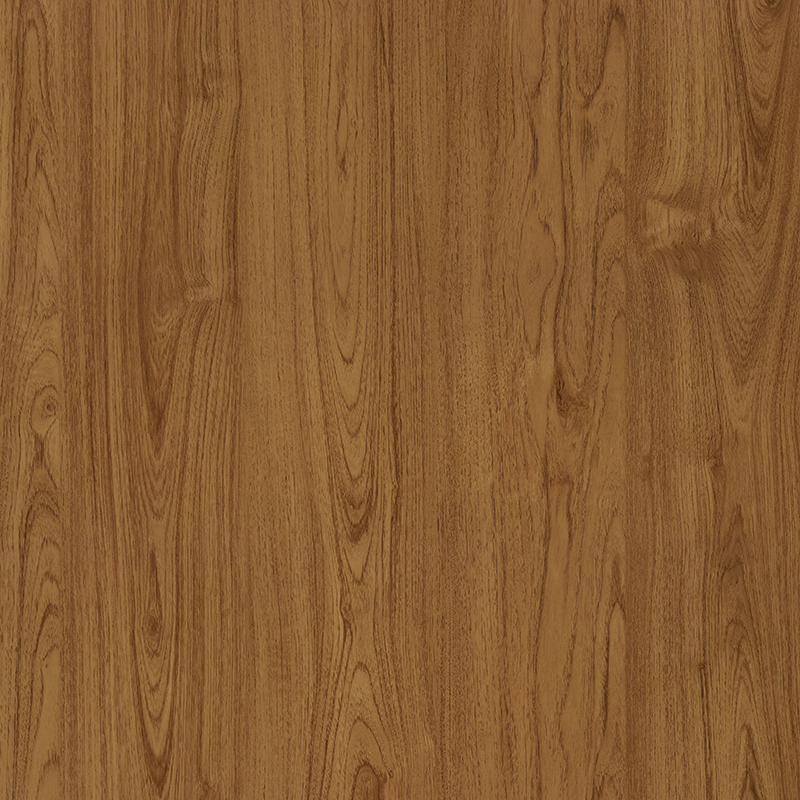
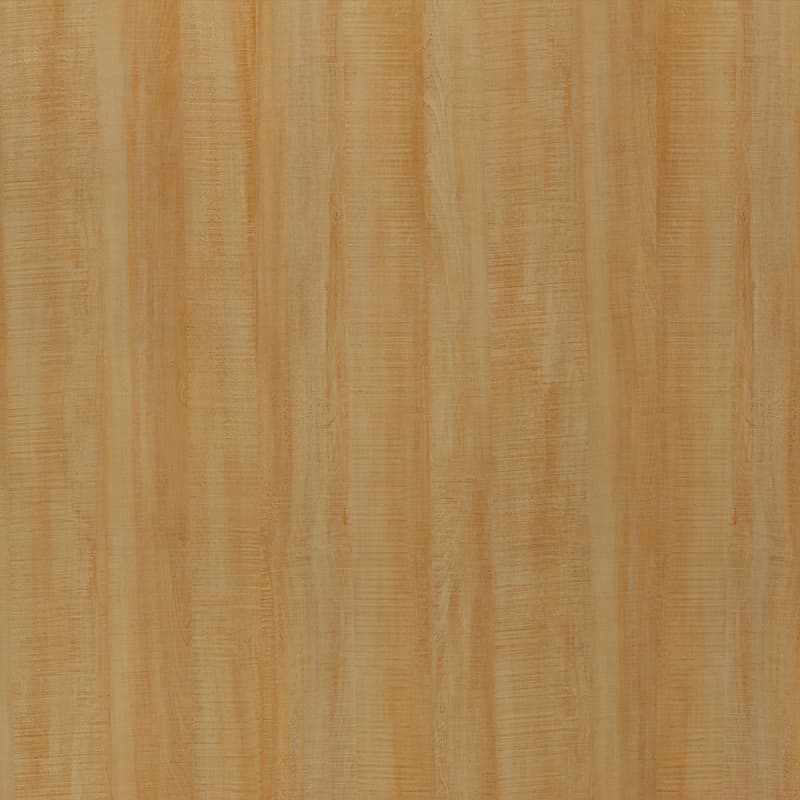
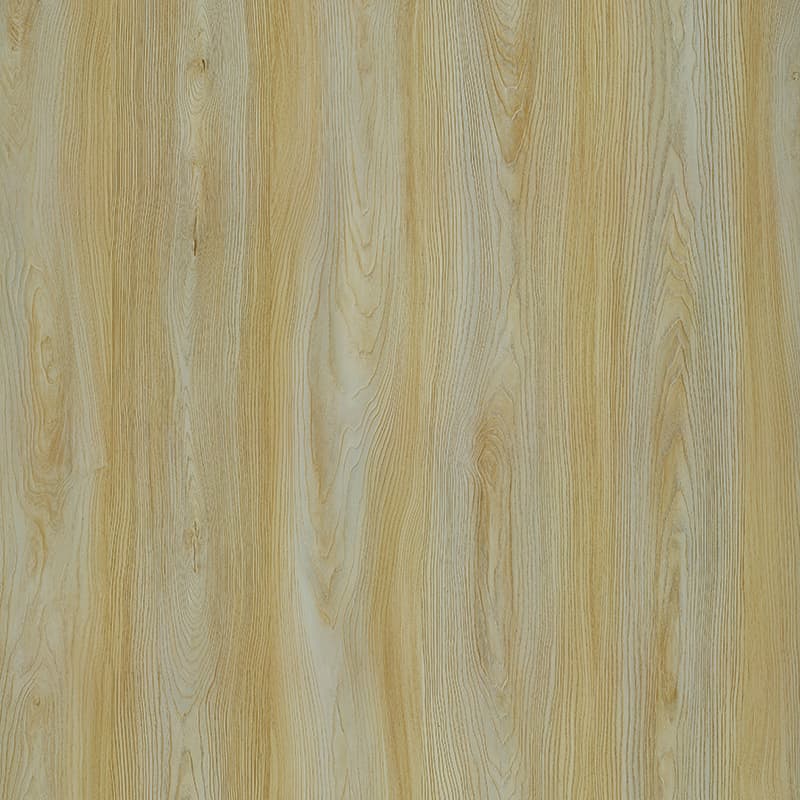

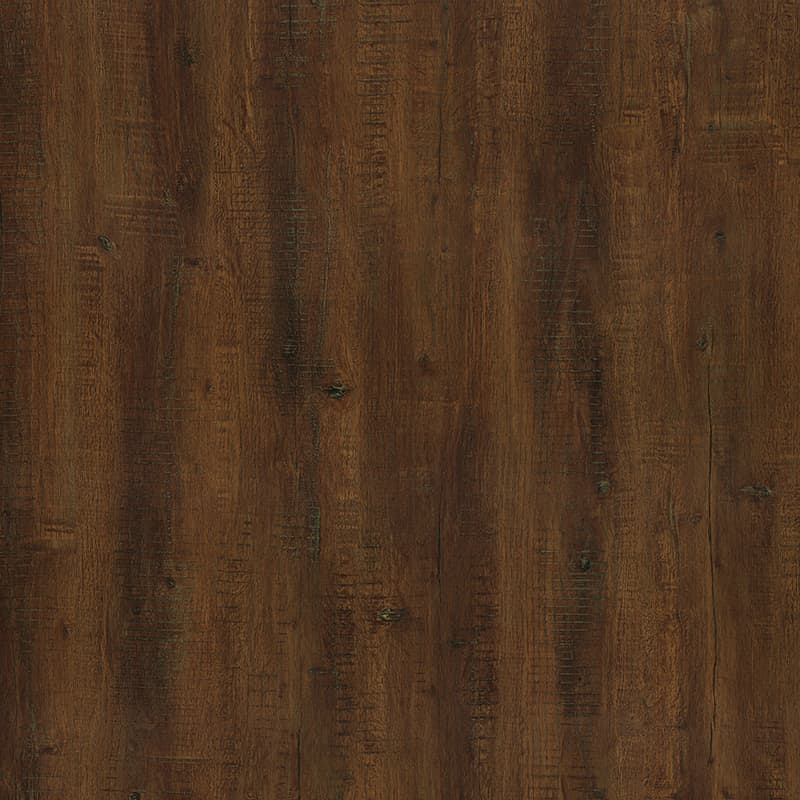
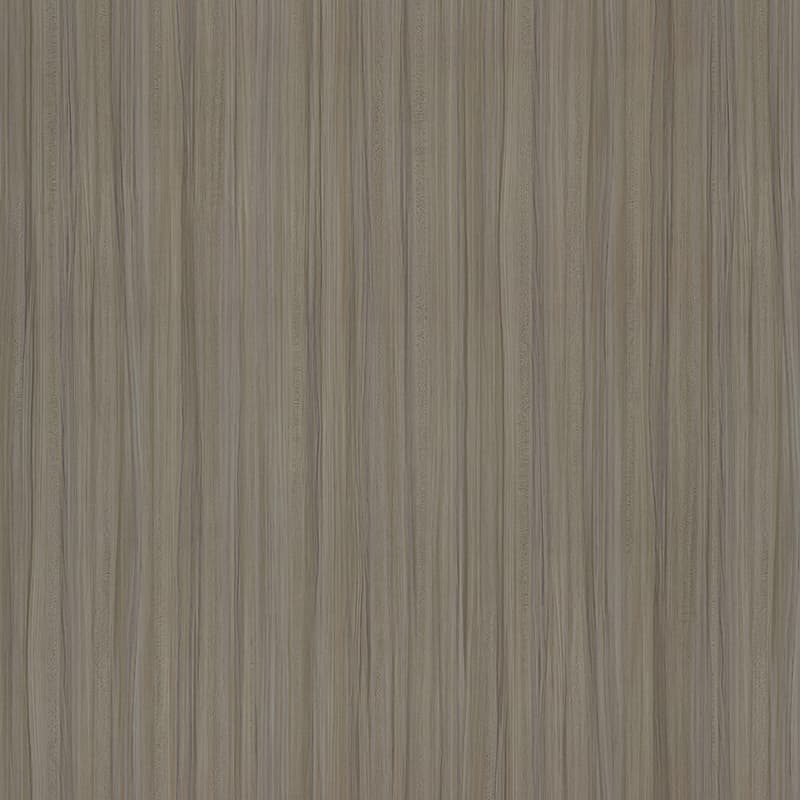


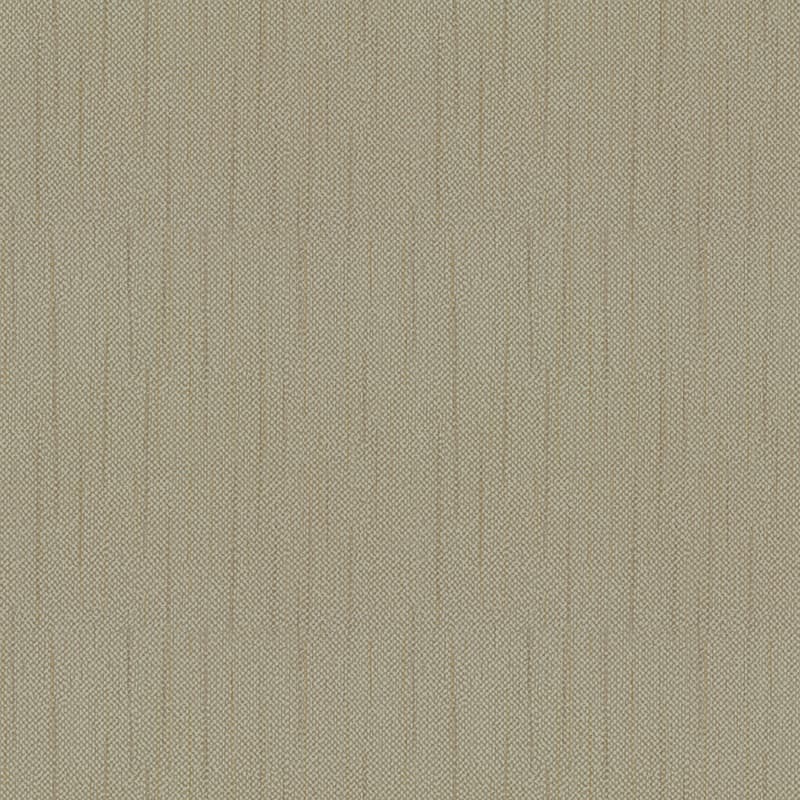
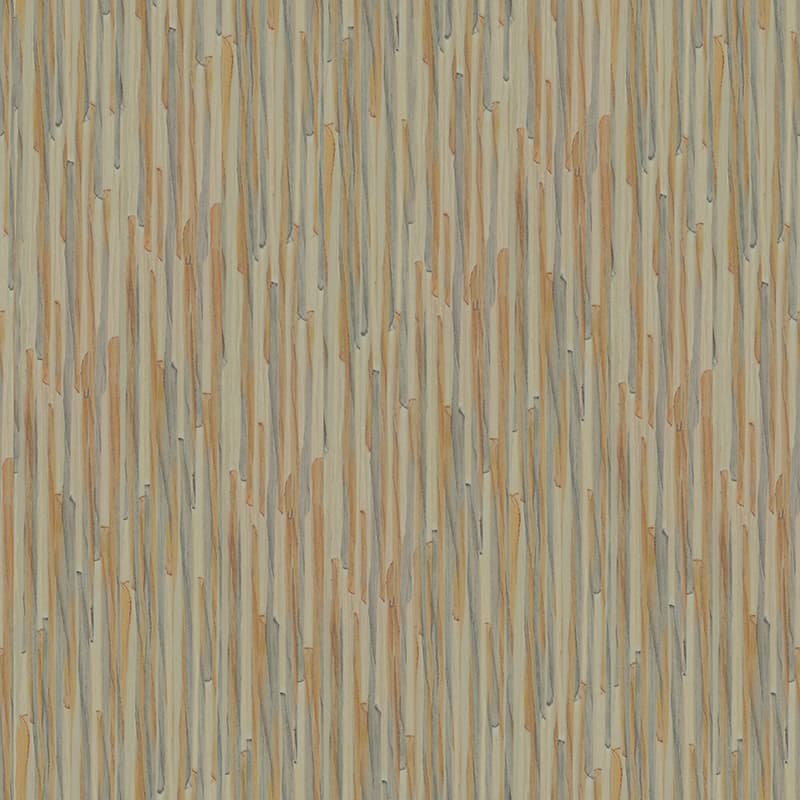

To make the life more colorful
PVC decorative foils are thin, flexible films laminated onto surfaces to enhance appearance, protect materials, and reduce manufacturing costs. Used across furniture, cabinetry, flooring, and interior panels, they replicate the look of wood, marble, fabric, or solid colors at a fraction of the cost of natural materials. Whether you're a manufacturer sourcing surface materials or a designer specifying finishes, understanding how PVC decorative foils work will help you make smarter, longer-lasting decisions.
What PVC Decorative Foils Actually Are
PVC decorative foils are multilayer films made primarily from polyvinyl chloride. A typical foil structure includes a base PVC film, a printed decorative layer (wood grain, stone, abstract pattern, or solid color), and a protective topcoat — often polyurethane or acrylic lacquer — that determines the surface's durability, sheen, and scratch resistance.
Thickness typically ranges from 0.08 mm to 0.5 mm, with thicker variants (0.3 mm+) used in membrane pressing and wrapping applications where the foil must conform to three-dimensional profiles like routed edges or curved cabinet doors.
They are bonded to substrates — MDF, particleboard, plywood, metal, or rigid PVC panels — using heat, pressure, or adhesive. The result is a surface that looks finished and decorative without painting, veneering, or solid-material construction.
Main Types of PVC Decorative Foils
Not all PVC decorative foils are the same. The right type depends on the application method, substrate, and end-use environment.
Membrane Press Foils
Designed for vacuum membrane pressing, these foils are highly flexible and can stretch over routed MDF doors and cabinet fronts. They are pre-coated with a heat-activated adhesive. Most furniture-grade kitchen cabinet doors in Europe and North America use membrane press foils.
Flat Lamination Foils
Applied to flat substrates using roll-to-roll lamination equipment. Commonly used for furniture panels, wall cladding, and interior doors. These foils tend to be thinner (0.08–0.2 mm) and are valued for their consistent surface finish.
Self-Adhesive Decorative Foils
These come with a pressure-sensitive adhesive backing, making them suitable for renovation, retail display, and DIY surface updates. No heat or industrial equipment is needed. A common example is the vinyl wrap films used to resurface kitchen cabinet doors without replacement.
Wrapping Foils
Used in profile wrapping machines to coat linear profiles such as door frames, window surrounds, skirting boards, and moldings. Requires high flexibility and consistent elongation properties.
| Foil Type | Typical Thickness | Application Method | Best For |
|---|---|---|---|
| Membrane Press | 0.2–0.5 mm | Vacuum membrane press | 3D cabinet doors, routed panels |
| Flat Lamination | 0.08–0.2 mm | Roll laminator | Flat panels, wall boards |
| Self-Adhesive | 0.08–0.15 mm | Hand/squeegee application | Renovation, retail, DIY |
| Wrapping Foil | 0.2–0.4 mm | Profile wrapping machine | Linear moldings, frames |
Where PVC Decorative Foils Are Used
PVC decorative foils are used across a wide range of industries and applications:
- Kitchen and bathroom cabinetry: The largest single application segment. Foil-wrapped MDF doors dominate mid-market kitchens globally.
- Interior wall panels and cladding: PVC foils bonded to rigid backing boards are widely used in commercial interiors, hospitals, and retail spaces for their wipe-clean surfaces.
- Furniture surfaces: Tables, wardrobes, shelving units, and office furniture use flat-laminated PVC foils as a cost-effective alternative to real wood veneer.
- Interior doors: Both flat and membrane-pressed foils are used on hollow-core and solid-core interior doors.
- Flooring underlayers and edge banding: Foil is used on furniture edge banding strips and some flooring panel surfaces.
- Retail and exhibition displays: Self-adhesive decorative foils are used for temporary or semi-permanent branding and surface finishing.
Key Performance Properties to Evaluate
When specifying or purchasing PVC decorative foils, these are the performance characteristics that matter most:
Scratch and Abrasion Resistance
Measured using the Taber Abraser or pencil hardness test. High-quality foils achieve pencil hardness of 2H or above. For kitchen surfaces that face daily contact, this is non-negotiable.
UV and Light Fastness
Foils used in spaces with natural light exposure must resist fading. Look for foils rated 5–6 on the Blue Wool Scale (ISO 105-B02), which indicates acceptable lightfastness for indoor use over several years.
Chemical Resistance
Kitchen and bathroom foils should resist common household chemicals including detergents, bleach solutions (at low concentration), and grease. Premium foils use crosslinked polyurethane topcoats that significantly improve chemical resistance compared to standard lacquer finishes.
Elongation at Break
Critical for membrane press and wrapping foils. A minimum elongation of 150–200% is generally required to wrap complex routed profiles without cracking or tearing.
Fire and Safety Classification
For commercial and public interior applications, foils must meet fire reaction standards. In the EU, this means compliance with EN 13501-1, with many commercial foils achieving Class B-s2,d0 or better.
PVC Decorative Foils vs. Alternative Surface Materials
Understanding how PVC foils compare to alternatives helps justify their use or identify where a different material would perform better.
| Material | Relative Cost | Durability | Design Flexibility | 3D Capability |
|---|---|---|---|---|
| PVC Decorative Foil | Low–Medium | Good | High | Yes (membrane press) |
| Real Wood Veneer | High | Very Good | Limited | Limited |
| Melamine Paper | Low | Moderate | Medium | No |
| High Gloss Acrylic Panel | High | Good | Low | No |
| Paint/Lacquer | Medium | Moderate | High | Yes (spray) |
PVC decorative foils offer the best balance of design flexibility, 3D application capability, and cost among common surface materials. Their main limitation is perception — in high-end residential and commercial projects, clients may prefer the authentic feel of veneer or solid materials even at significantly higher cost.
How to Choose the Right PVC Decorative Foil
Selecting the correct foil requires matching product specifications to your application and substrate. Follow this practical decision process:
- Identify the application method — vacuum pressing, flat lamination, profile wrapping, or self-adhesive. This immediately narrows the foil category.
- Define the substrate — MDF requires a foil with good adhesion to porous surfaces; metal substrates need a primer or specific adhesive system.
- Confirm the use environment — kitchen and bathroom foils need higher chemical and moisture resistance than general furniture foils.
- Specify the surface finish — matte, satin, high gloss, soft-touch, or textured (wood grain emboss, linen, etc.). Surface texture affects both aesthetics and fingerprint visibility.
- Check certifications — for EU markets, confirm REACH compliance and low formaldehyde emissions. For food-adjacent applications (kitchen surfaces), verify food-safe topcoat certification if required.
- Request test samples — always run adhesion, elongation, and heat resistance tests before committing to a large production run, especially with a new supplier.
Sustainability and Environmental Considerations
PVC has historically drawn scrutiny due to chlorine-based production and the presence of plasticizers (phthalates in older formulations). However, the industry has made measurable progress:
- Phthalate-free plasticizers are now standard in most reputable European and North American foil manufacturers, replacing DEHP and DBP with non-toxic alternatives like DINP or bio-based plasticizers.
- REACH compliance (EU Regulation 1907/2006) restricts hazardous substances and is the baseline standard for foils sold in European markets.
- Some manufacturers now offer partially bio-based PVC foils using bio-ethylene from sugarcane, reducing the fossil carbon footprint by up to 30%.
- End-of-life recycling of PVC foils bonded to MDF remains challenging; separation is typically not practical, making correct waste categorization important.
If sustainability is a project priority, request the supplier's material safety data sheet (MSDS), REACH declaration, and any EPD (Environmental Product Declaration) documentation before purchasing.
Common Problems and How to Avoid Them
Most failures with PVC decorative foils come down to incorrect material selection or application errors rather than foil defects. The most frequent issues include:
- Delamination: Usually caused by incompatible adhesive, insufficient press temperature, or substrate moisture content above 8–10%. Always condition MDF before pressing.
- Cracking on routed edges: The foil's elongation rating is insufficient for the profile depth. Switch to a higher-stretch membrane press foil with elongation above 200%.
- Surface bubbling: Air trapped during lamination or outgassing from the substrate. Ensure the substrate is sealed or primed and the laminator speed and pressure are correctly set.
- Color inconsistency between batches: Request batch-matched production from your supplier for large orders and inspect samples from each new roll before production begins.
- Yellowing over time: Common with lower-grade foils exposed to UV. Specify UV-stabilized topcoats for any application with significant daylight exposure.

