
 English
 русский

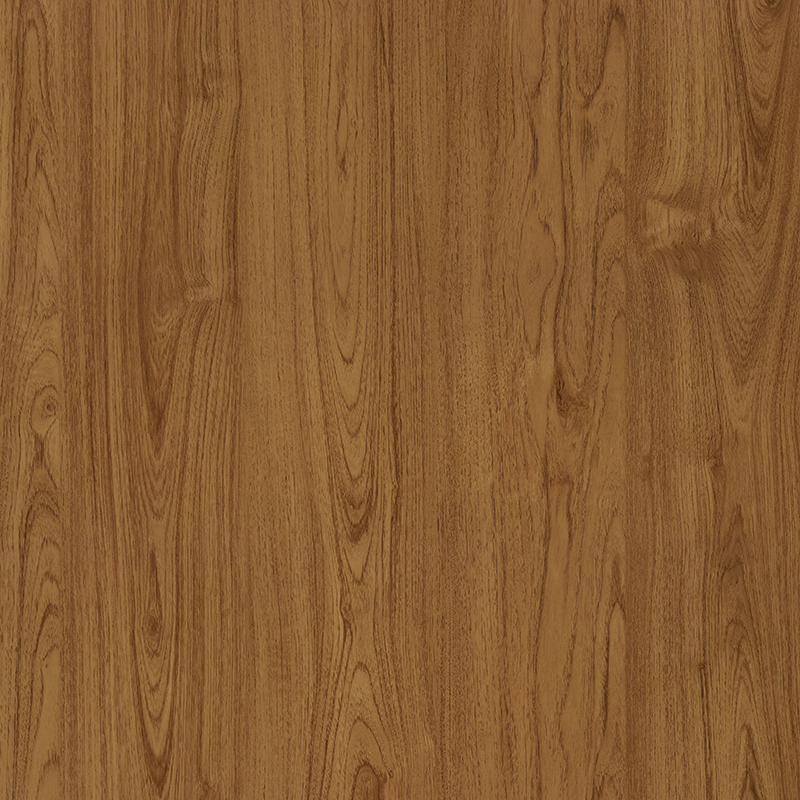
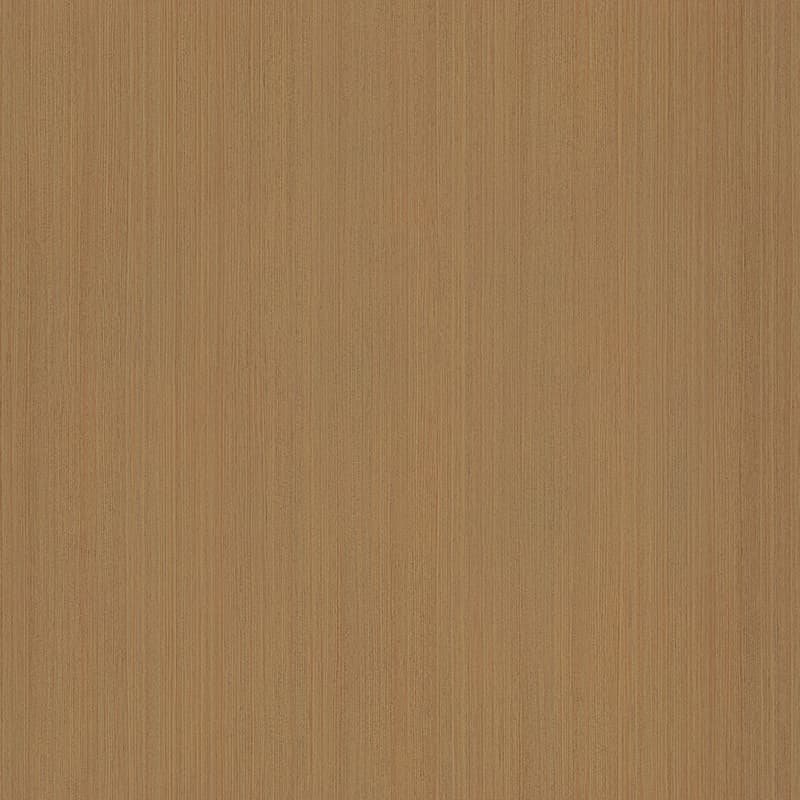
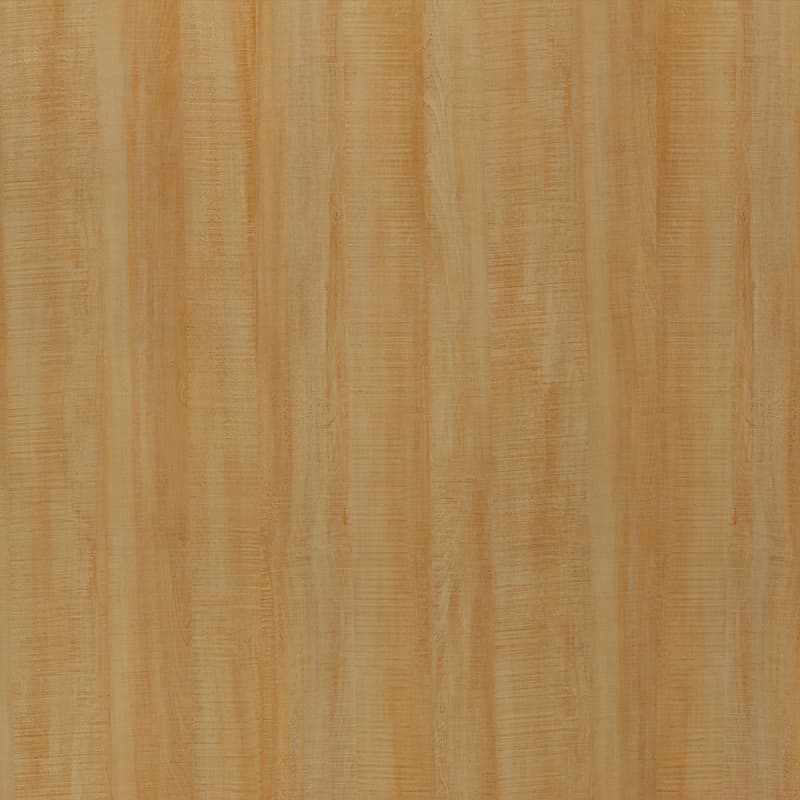
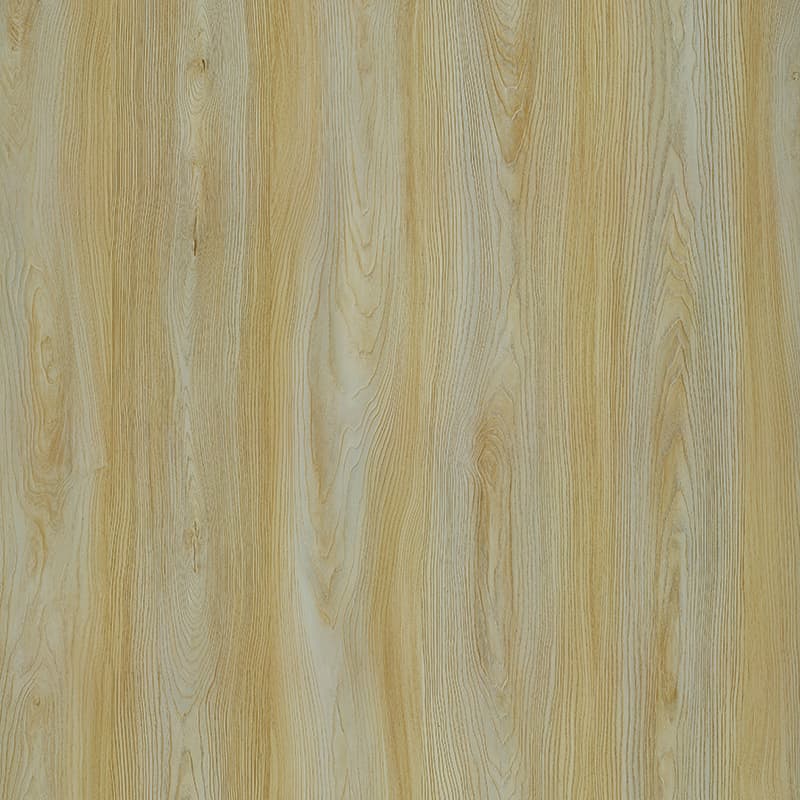

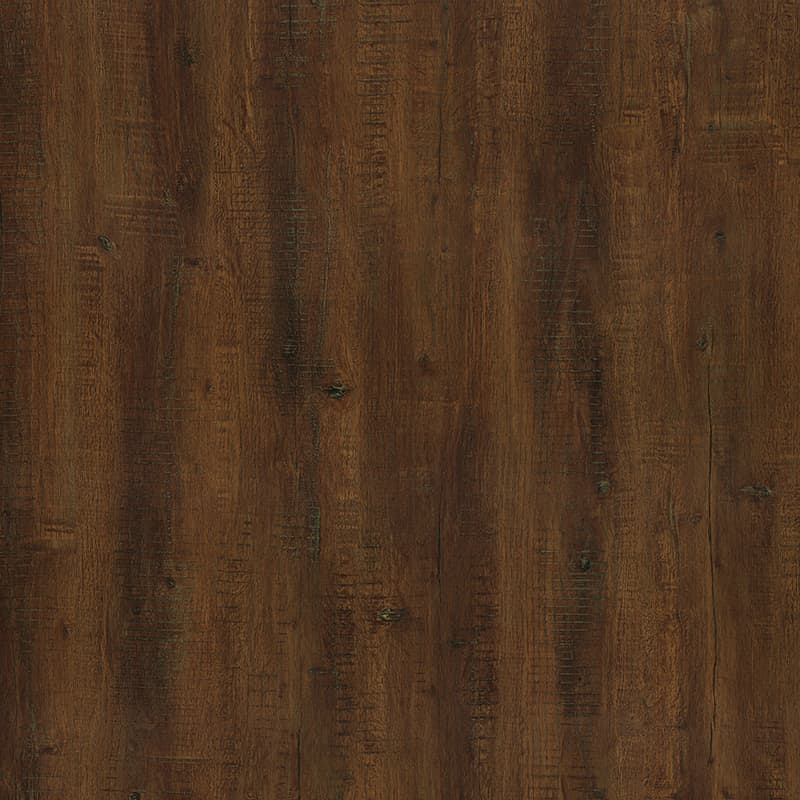
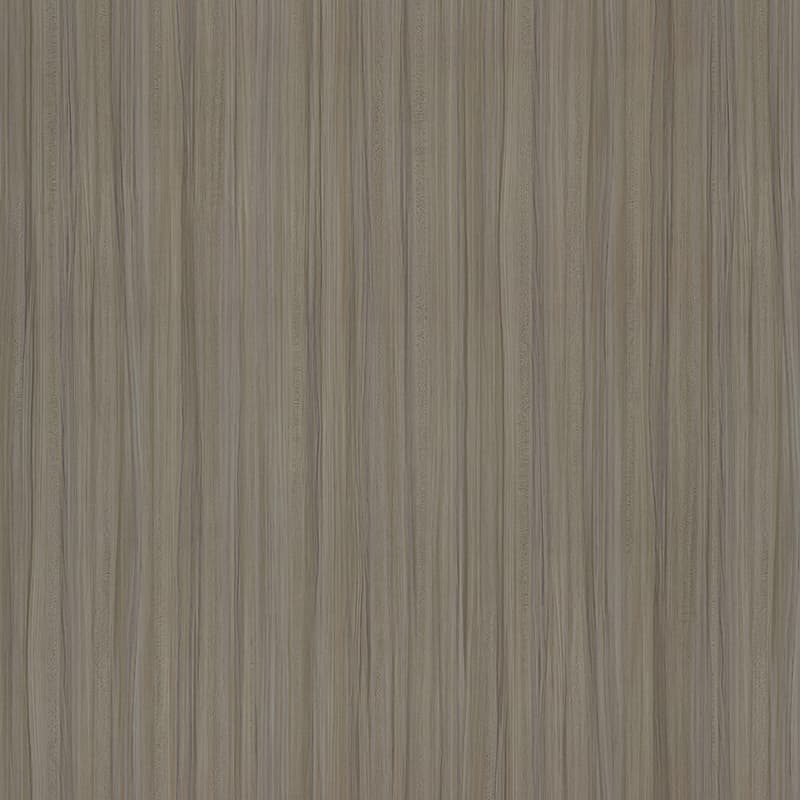

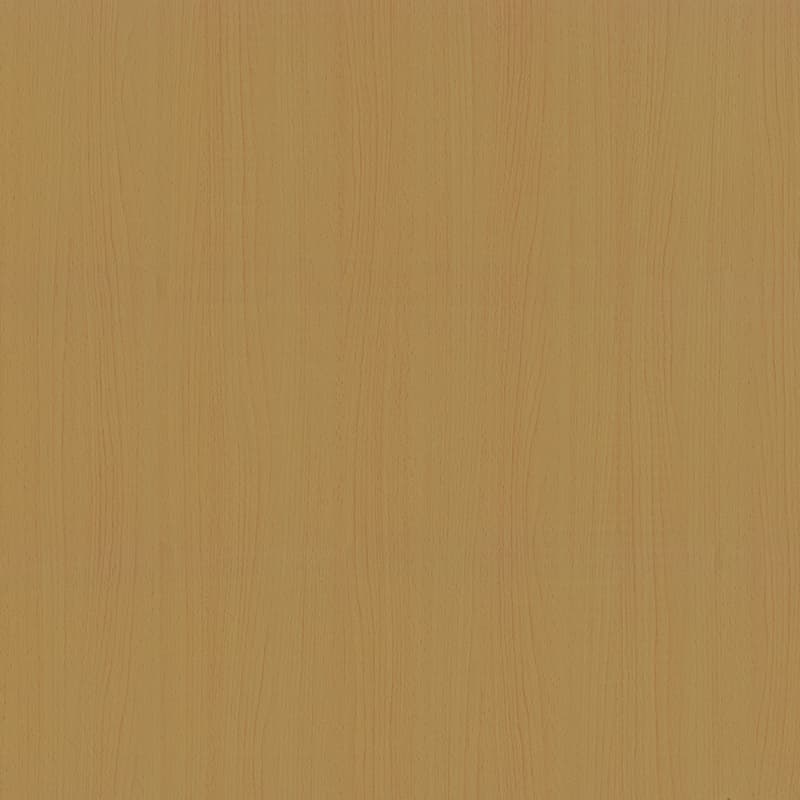
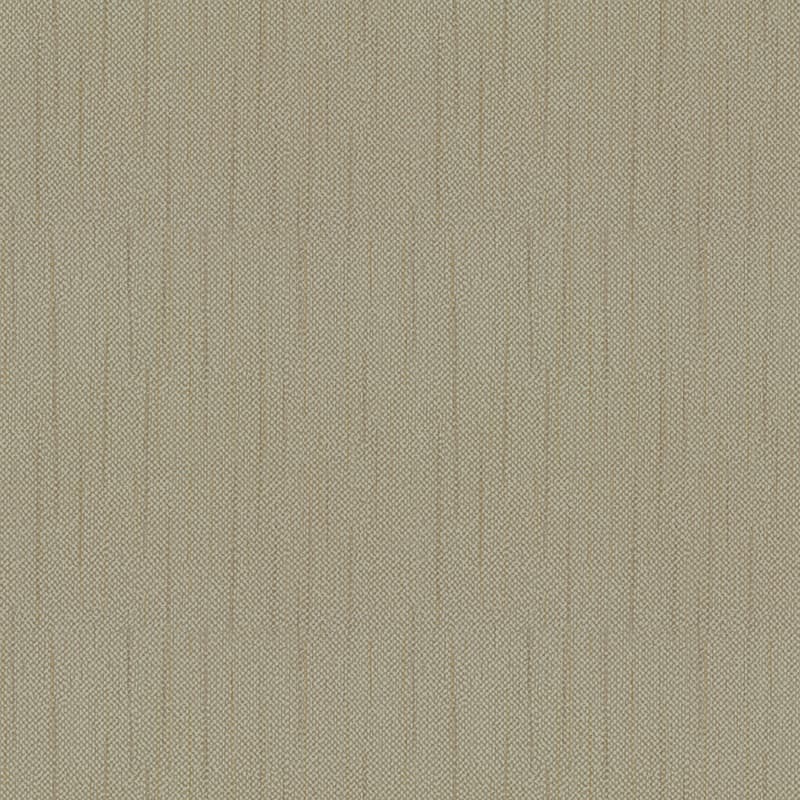

To make the life more colorful
Content
- 1 What is PVC Decorative Film
- 2 Types of PVC Decorative Film by Application Method
- 3 Common Design Patterns and Finishes
- 4 Key Advantages of Using PVC Decorative Film
- 5 Professional Installation Guidelines
- 6 Common Applications Across Industries
- 7 Quality Assessment and Selection Criteria
- 8 Maintenance and Longevity Tips
- 9 Future Trends and Innovations
What is PVC Decorative Film
PVC decorative film is a polyvinyl chloride-based surface finishing material designed to enhance the appearance of various substrates including furniture, doors, wall panels, and flooring. This versatile material combines aesthetic appeal with practical functionality, offering a cost-effective alternative to traditional wood veneers, laminates, and paint finishes.
The film typically consists of multiple layers: a protective top coat, a printed decorative layer featuring patterns or colors, a PVC base layer, and an adhesive backing. Modern PVC decorative films can replicate the appearance of natural materials like wood grain, marble, leather, and fabric with remarkable accuracy at 30-50% lower cost compared to genuine materials.
These films are manufactured through calendering or casting processes, with thicknesses ranging from 0.08mm to 0.5mm depending on the application. The global PVC film market reached $8.2 billion in 2023 and continues to grow at approximately 5.8% annually, driven by demand in construction, furniture manufacturing, and automotive industries.
Types of PVC Decorative Film by Application Method
Vacuum Membrane Press Films
These films are specifically engineered for 3D forming applications using vacuum membrane presses. They exhibit excellent elongation properties (up to 180%) and can conform to complex shapes, recessed panel designs, and profiled surfaces. Commonly used in kitchen cabinet doors, furniture fronts, and decorative moldings, these films require heating to 120-180°C during application to achieve proper adhesion and forming.
Self-Adhesive Films
Self-adhesive PVC films feature a pressure-sensitive adhesive backing protected by a release liner. These are ideal for flat or slightly curved surfaces and can be applied without specialized equipment. They're particularly popular for DIY renovations, temporary decorations, and quick refurbishment projects. Installation can be completed 3-4 times faster than traditional painting methods.
Laminating Films
Used in industrial lamination processes, these films are bonded to substrates using hot-melt or solvent-based adhesives under heat and pressure. They provide superior durability and are commonly employed in flooring, wall panels, and high-traffic commercial applications where wear resistance exceeding 10,000 cycles is required.
Common Design Patterns and Finishes
| Pattern Type | Characteristics | Typical Applications | Market Share |
|---|---|---|---|
| Wood Grain | Natural texture, embossed surface | Furniture, doors, flooring | 42% |
| Solid Colors | Matte, glossy, or metallic finish | Modern furniture, appliances | 28% |
| Stone/Marble | Realistic veining, polished look | Countertops, wall panels | 15% |
| Fabric/Leather | Textile texture, soft appearance | Upholstery, automotive interiors | 10% |
| Abstract/Geometric | Contemporary patterns, bold designs | Accent walls, retail displays | 5% |
Surface finishes significantly impact the final appearance and functionality. Glossy finishes reflect 60-90% of incident light, creating a modern, luxurious look but showing fingerprints and scratches more readily. Matte finishes offer a sophisticated, contemporary aesthetic with better scratch concealment. Textured or embossed finishes add tactile dimension and can increase slip resistance by up to 40% in flooring applications.
Key Advantages of Using PVC Decorative Film
Cost Efficiency
PVC decorative film delivers substantial cost savings compared to alternative finishing methods. A typical kitchen cabinet refacing project using PVC film costs $3,000-$5,000 versus $8,000-$15,000 for complete replacement with solid wood cabinets. Material costs range from $2-$8 per square foot depending on quality and design complexity, while natural wood veneers cost $15-$30 per square foot.
Installation Speed and Simplicity
Professional installers can complete film application at rates of 50-100 square feet per hour for flat surfaces, significantly faster than painting or traditional veneering. Self-adhesive films enable DIY installation without specialized tools, reducing labor costs by 60-70%. Vacuum forming processes allow complex 3D shapes to be covered in a single seamless application, eliminating visible seams and joints.
Durability and Maintenance
High-quality PVC films demonstrate excellent resistance to moisture, UV radiation, and common household chemicals. They maintain color stability for 5-10 years in interior applications and 3-5 years in exterior conditions with proper UV protection. The non-porous surface resists staining and can be cleaned with standard household cleaners, requiring minimal maintenance compared to painted or natural wood surfaces.
Environmental Considerations
Modern PVC films increasingly incorporate recycled content (up to 30% post-consumer material) and use phthalate-free formulations. They enable existing furniture and surfaces to be refreshed rather than discarded, reducing waste. A refaced cabinet using PVC film prevents approximately 200-300 pounds of wood and composite materials from entering landfills compared to complete replacement.
Professional Installation Guidelines
Surface Preparation Requirements
Proper surface preparation determines installation success. Substrates must be:
- Clean and free from dust, grease, or silicone residues
- Smooth with surface irregularities less than 0.5mm
- Completely dry with moisture content below 12%
- Primed if porous or previously unfinished
For best results, surfaces should be sanded with 180-220 grit sandpaper and cleaned with isopropyl alcohol before film application.
Application Process for Self-Adhesive Films
- Measure and cut film to size, adding 2-3 inches excess on all sides
- Position film and peel back 4-6 inches of release liner
- Apply film using a squeegee at 45-degree angle with firm, even pressure
- Progressively remove liner while smoothing film to eliminate air bubbles
- Heat edges with heat gun (60-80°C) to activate adhesive for permanent bond
- Trim excess material using sharp utility knife along edges
Working temperature should be maintained between 18-25°C with relative humidity below 65% for optimal adhesion.
Vacuum Membrane Pressing Technique
For 3D forming applications, specialized vacuum membrane presses heat the film to its softening point (typically 140-160°C) while simultaneously drawing it onto the substrate using vacuum pressure of 0.6-0.8 bar. The process takes 60-120 seconds depending on part complexity and size. Critical parameters include heating time, membrane stretch characteristics, and cooling rate to prevent film relaxation or deformation.
Common Applications Across Industries
Furniture Manufacturing
The furniture industry consumes approximately 35% of global PVC decorative film production. Films are applied to particleboard, MDF, and plywood substrates to create cost-effective furniture that mimics expensive wood species. Kitchen cabinets, wardrobes, office furniture, and retail fixtures commonly use PVC films. Manufacturers benefit from reduced material costs, consistent quality, and the ability to offer diverse design options without maintaining large inventories of different wood veneers.
Interior Doors and Moldings
PVC film-wrapped doors account for over 60% of interior door sales in residential construction. The films provide consistent appearance, resistance to moisture and temperature fluctuations, and eliminate the need for painting or staining. Crown moldings, baseboards, and window casings benefit from the seamless finish and reduced installation time compared to painted alternatives.
Wall Panels and Ceilings
Decorative wall panels featuring PVC films offer quick renovation solutions for commercial and residential spaces. They install over existing walls without extensive preparation, can conceal imperfections, and provide acoustic or thermal insulation properties when combined with appropriate backing materials. Installation rates reach 200-300 square feet per day per installer.
Automotive and Transportation
Vehicle interiors extensively use PVC decorative films for dashboard trim, door panels, and center console surfaces. Automotive-grade films meet stringent requirements for temperature resistance (-40°C to +100°C), low VOC emissions, and light fastness ratings of Grade 7-8 on the Blue Wool Scale. They also provide weight savings compared to traditional materials like wood or metal trim.
Quality Assessment and Selection Criteria
Technical Specifications to Consider
When selecting PVC decorative film, evaluate these critical parameters:
- Thickness: 0.15-0.35mm for furniture, 0.4-0.5mm for flooring applications
- Elongation rate: Minimum 150% for 3D forming, 80-100% for flat applications
- Adhesion strength: 8-12 N/cm for permanent bonds
- Flame resistance: Class B1 or B2 rating per DIN 4102 standards
- Abrasion resistance: Minimum 500 cycles at 1kg load
Certification and Compliance
Reputable manufacturers provide products certified to international standards including REACH compliance for chemical safety, California Proposition 65 compliance for toxicity limits, and GREENGUARD certification for low chemical emissions. For commercial applications, verify compliance with local building codes and fire safety regulations.
Price-Performance Balance
Budget-grade films ($2-$4 per square foot) suit temporary applications or low-traffic areas but may show color fading or adhesion failure within 2-3 years. Mid-range products ($4-$6 per square foot) offer good durability for residential use with expected lifespans of 5-7 years. Premium films ($6-$10 per square foot) incorporate advanced UV stabilizers, enhanced wear resistance, and superior printing clarity, justifying their cost for high-visibility commercial installations where appearance and longevity are critical.
Maintenance and Longevity Tips
Regular Cleaning Practices
PVC decorative films require minimal maintenance but benefit from regular cleaning with pH-neutral detergents diluted in warm water. Avoid abrasive cleaners, acetone, or strong solvents that can damage the surface coating. For stubborn stains, isopropyl alcohol solutions (70%) effectively remove marks without harming the film. Clean with soft microfiber cloths rather than abrasive pads to prevent micro-scratching that dulls the finish over time.
Preventing Common Damage
Protect film surfaces from excessive heat above 80°C, which can cause softening or deformation. Use trivets or heat pads under hot cookware on countertops. Avoid prolonged direct sunlight exposure, particularly for darker colors that absorb more heat. Sharp objects can puncture or scratch films, so use cutting boards in kitchen applications and furniture pads on items that may slide across surfaces.
Repair and Touch-Up Options
Minor scratches in glossy films can sometimes be polished out using automotive plastic polish. For deeper damage, small sections of self-adhesive film can be patched, though color matching may be challenging after UV exposure causes gradual fading. Professional repair services can remove and replace film sections on larger surfaces, with costs typically ranging $150-$300 per panel depending on size and complexity.
Future Trends and Innovations
The PVC decorative film industry continues evolving with several emerging technologies. Digital printing capabilities now enable custom designs and photorealistic images at production costs comparable to standard patterns, opening opportunities for personalized home décor and branded commercial spaces. Print resolution has advanced to 1440 dpi, making pattern repeats virtually undetectable.
Antimicrobial films incorporating silver ion technology show 99.9% reduction in bacterial growth, making them ideal for healthcare facilities, food preparation areas, and high-touch surfaces. These specialized films command premium pricing at $12-$18 per square foot but address growing hygiene concerns in public spaces.
Recyclability improvements focus on mono-material constructions that eliminate adhesive layers, enabling easier separation and recycling at end-of-life. Bio-based PVC alternatives derived from plant sugars are entering the market, reducing petroleum dependency while maintaining performance characteristics. Smart films with integrated LED lighting or color-changing thermochromic pigments represent the cutting edge, though currently limited to niche luxury applications due to costs exceeding $50 per square foot.
Industry forecasts predict the decorative film market will reach $12 billion by 2028, driven by urbanization, renovation activities, and increasing preference for sustainable alternatives to resource-intensive natural materials. As manufacturing technologies improve and economies of scale reduce costs, PVC decorative films will likely expand into additional applications ranging from outdoor furniture to medical equipment housings.

