
 English
 русский



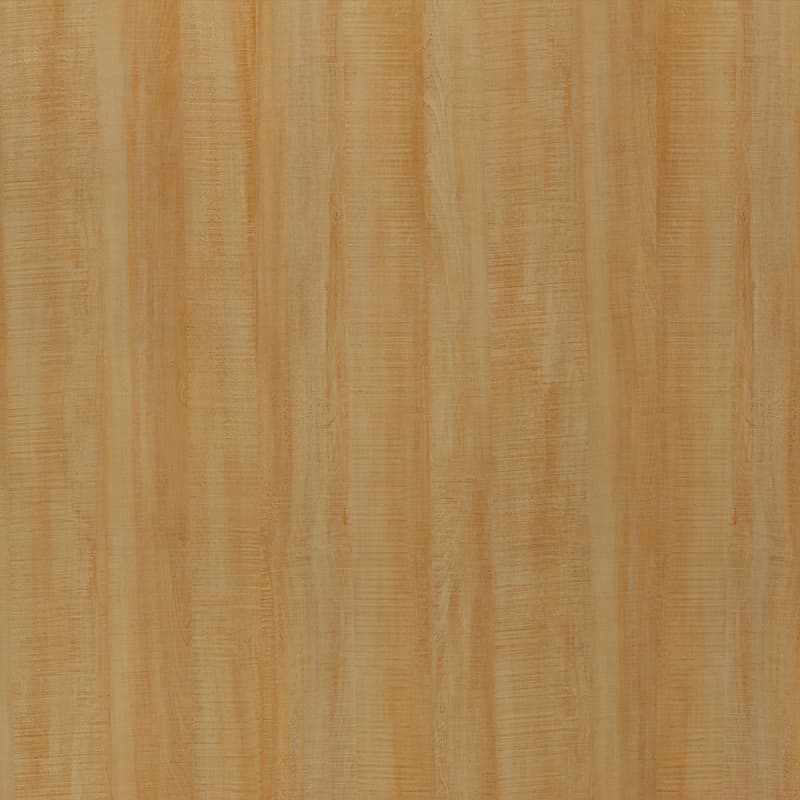
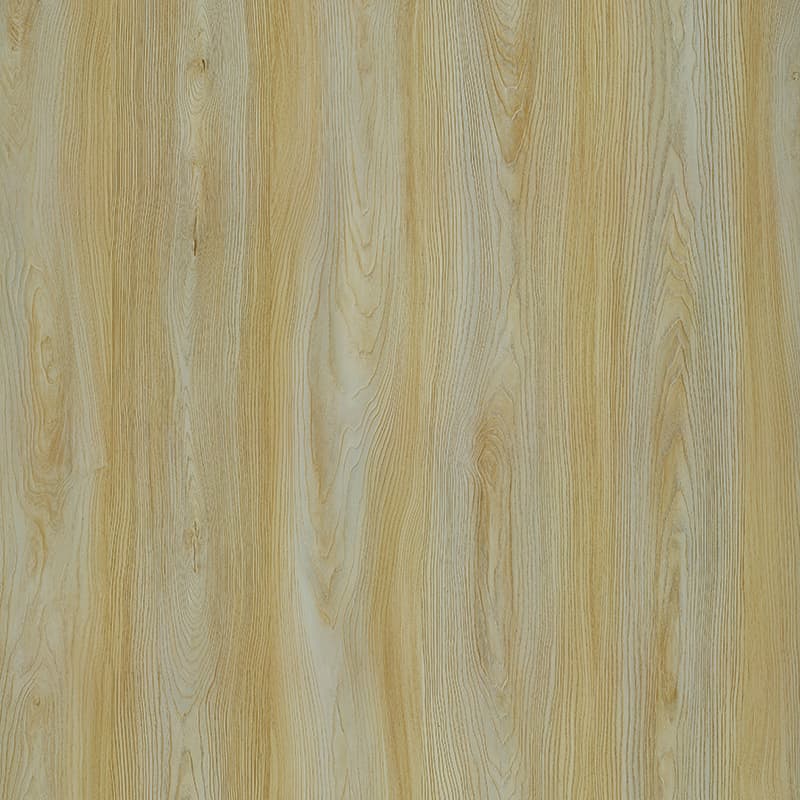

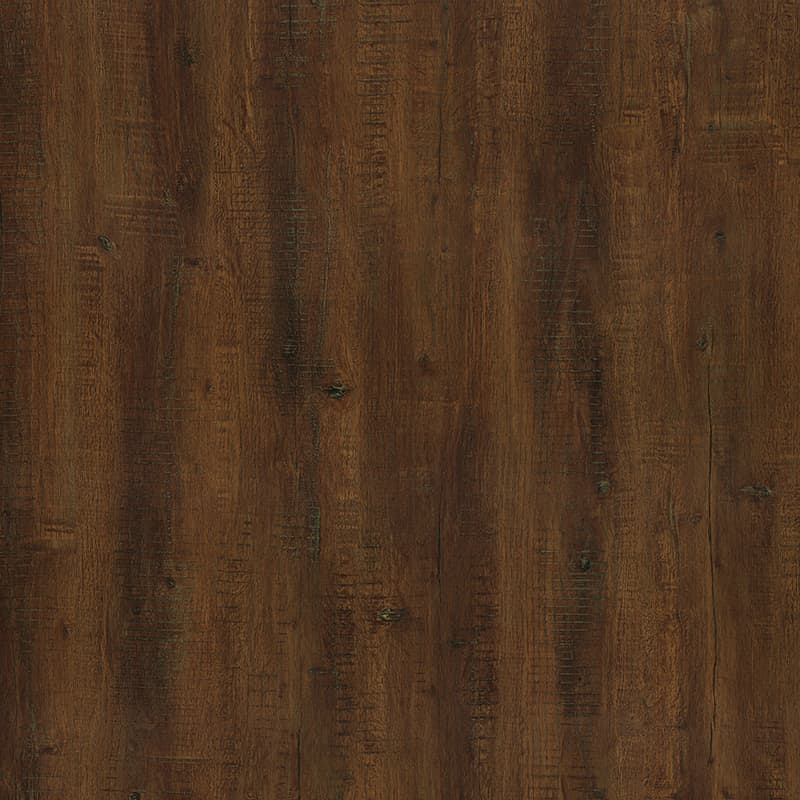
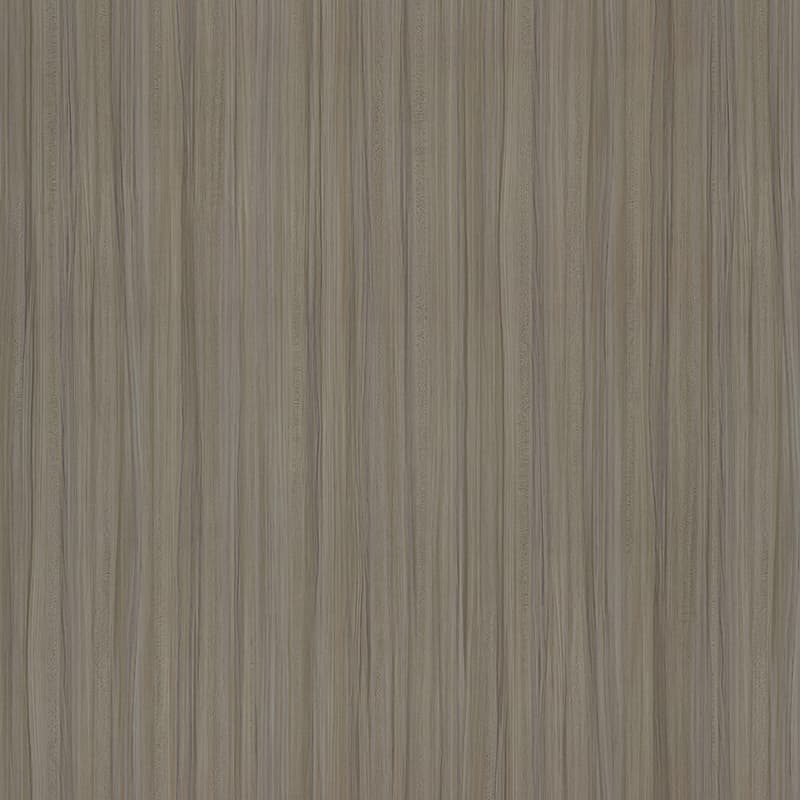





To make the life more colorful
Content
- 1 What Are PVC Foils
- 2 Manufacturing Processes and Types
- 3 Key Material Properties
- 4 Industrial Applications
- 5 Selection Criteria for Different Applications
- 6 Processing Techniques and Equipment
- 7 Environmental Considerations and Sustainability
- 8 Quality Standards and Testing
- 9 Cost Analysis and Economic Considerations
What Are PVC Foils
PVC foils are thin, flexible sheets made from polyvinyl chloride (PVC) resin through calendering or extrusion processes. These versatile plastic films typically range from 0.1mm to 1.5mm in thickness and are widely used across industries for surface finishing, packaging, and protective applications. The material offers exceptional durability, chemical resistance, and design flexibility, making it a preferred choice for furniture manufacturers, construction professionals, and packaging companies.
The global PVC film market was valued at approximately $7.8 billion in 2023 and continues to grow due to increasing demand in emerging markets and technological advancements in production methods. PVC foils can be produced in various finishes including matte, glossy, textured, and embossed patterns, with color options spanning the entire spectrum through advanced printing and lamination techniques.
Manufacturing Processes and Types
Calendering Process
The calendering method involves passing heated PVC compound through a series of heated rollers to achieve the desired thickness and surface finish. This process can produce foils as thin as 0.08mm with uniform thickness tolerance of ±5%. Calendered PVC foils are particularly suitable for applications requiring high clarity and consistent quality, such as blister packaging and protective overlays.
Extrusion Process
Extrusion involves melting PVC granules and forcing the material through a flat die to create continuous sheets. This method is cost-effective for producing thicker foils (0.3mm to 1.5mm) and allows for better integration of additives such as UV stabilizers, fire retardants, and plasticizers. Extruded PVC foils account for approximately 60% of total production volume due to their lower manufacturing costs and suitability for high-volume applications.
| Manufacturing Method | Thickness Range | Primary Advantages | Common Applications |
|---|---|---|---|
| Calendering | 0.08-0.5mm | High clarity, uniform thickness | Blister packaging, overlays |
| Extrusion | 0.3-1.5mm | Cost-effective, additive integration | Furniture wrapping, construction |
Key Material Properties
Understanding the physical and chemical properties of PVC foils is essential for selecting the right material for specific applications. These characteristics determine performance, longevity, and suitability for different environmental conditions.
Physical Characteristics
- Tensile strength: 20-55 MPa depending on plasticizer content and film thickness
- Elongation at break: 200-400% for flexible grades, enabling complex forming operations
- Density: 1.3-1.45 g/cm³, lighter than many alternative plastics
- Temperature resistance: continuous use from -10°C to 60°C, with specialized grades extending to 80°C
Chemical Resistance
PVC foils demonstrate excellent resistance to acids, alkalis, alcohols, and petroleum products, making them ideal for protective applications in chemical processing environments. However, they are susceptible to damage from ketones, esters, and chlorinated solvents, which should be considered during material selection. The material maintains dimensional stability when exposed to moisture, with water absorption rates typically below 0.1%.
Industrial Applications
Furniture and Interior Design
The furniture industry represents the largest market segment, consuming approximately 35% of total PVC foil production. Manufacturers use vacuum-forming techniques to apply decorative foils to MDF and particleboard substrates, creating wood-grain, metallic, or solid-color finishes. This application offers significant advantages including moisture resistance, easy cleaning, and cost savings compared to natural wood veneers or lacquer finishes. A typical kitchen cabinet door wrapped with PVC foil costs 40-60% less than a comparable lacquered alternative while maintaining similar aesthetic appeal.
Construction and Building Materials
PVC foils serve multiple functions in construction applications:
- Window profile lamination providing UV protection and color consistency for 10+ years
- Wall panel covering in commercial and residential spaces, offering easy installation and maintenance
- Waterproofing membranes for flat roofs and foundation systems
- Decorative lamination for doors, skirting boards, and architectural trim
Packaging Industry
Rigid PVC foils are extensively used in thermoformed packaging applications, particularly for pharmaceutical blister packs, electronics component trays, and food packaging. The pharmaceutical sector alone accounts for 18% of packaging-grade PVC foil consumption, driven by requirements for barrier properties, clarity, and regulatory compliance. These foils provide excellent oxygen and moisture barriers, extending product shelf life by 30-50% compared to alternative materials.
Automotive and Transportation
Automotive manufacturers utilize PVC foils for interior trim components, door panels, dashboard coverings, and headliner applications. The material meets stringent automotive standards including VOC emissions limits below 100 μg/g and flame resistance requirements (FMVSS 302). Textured PVC foils with anti-slip properties are increasingly used in commercial vehicle flooring, offering durability exceeding 500,000 wear cycles in standardized testing.
Selection Criteria for Different Applications
Choosing the appropriate PVC foil requires evaluating multiple factors based on the intended application and performance requirements. A systematic approach ensures optimal material selection and long-term satisfaction.
Thickness Considerations
Film thickness directly impacts formability, durability, and cost. Foils below 0.2mm are ideal for flat lamination and light-duty applications, while 0.3-0.5mm thicknesses suit vacuum forming on simple geometries. Complex three-dimensional shapes with deep draws require 0.5-0.8mm foils to prevent tearing and ensure uniform coverage. For high-traffic flooring or heavy-duty protective applications, thicknesses exceeding 1.0mm provide enhanced wear resistance and impact protection.
Surface Finish and Texture
Available finishes include high-gloss (gloss level 80-95 GU), semi-gloss (40-60 GU), matte (5-20 GU), and textured surfaces mimicking wood grain, leather, or fabric. Embossed patterns can be synchronized with printed designs to create realistic wood appearances, with registration accuracy within ±0.5mm on quality production lines. Anti-fingerprint coatings reduce maintenance requirements in high-touch applications such as kitchen cabinets and office furniture.
Additives and Modifications
- UV stabilizers: Essential for outdoor applications, providing 3,000+ hours UV resistance (QUV-A testing)
- Fire retardants: Achieve B1 or B2 classifications per DIN 4102 for building applications
- Anti-static agents: Reduce dust attraction in electronics manufacturing environments
- Anti-bacterial treatments: Required for healthcare and food-contact applications
Processing Techniques and Equipment
Vacuum Forming
This is the predominant method for applying PVC foils to three-dimensional substrates. The process involves heating the foil to 140-160°C, positioning it over the substrate, and applying vacuum pressure (0.6-0.8 bar) to achieve conformity. Modern membrane presses complete a forming cycle in 30-90 seconds depending on part complexity. Critical parameters include heating temperature uniformity (±3°C), vacuum draw speed, and cooling rate to prevent warping or surface defects.
Flat Lamination
For planar surfaces, flat lamination uses heat-activated adhesives or pressure-sensitive adhesives to bond foils to substrates. Production speeds reach 20-40 meters per minute on automated lines, with bond strengths exceeding 1.5 N/mm when properly executed. This method is preferred for large panels, flooring applications, and continuous web processing.
Edge Banding
PVC foil strips (typically 0.4-2.0mm thick and 15-54mm wide) are applied to board edges using hot-melt adhesives at temperatures of 180-200°C. Automated edge banding machines achieve application speeds up to 18 meters per minute with integrated trimming, scraping, and polishing units that produce seamless transitions between edge and surface finishes.
Environmental Considerations and Sustainability
Environmental concerns have driven significant changes in PVC foil formulation and recycling practices. Modern PVC foils can contain up to 30% recycled content without compromising performance, and manufacturers are increasingly adopting phthalate-free plasticizers to address health concerns. The European PVC industry has committed to recycling 800,000 tonnes annually by 2025, with current recycling rates exceeding 640,000 tonnes per year.
Recycling Methods
Post-industrial PVC foil waste can be mechanically recycled through grinding, washing, and re-extrusion processes, recovering 85-95% of material value. Post-consumer recycling is more challenging due to contamination and composite structures, but advances in separation technologies are improving recovery rates. Chemical recycling methods can break down PVC to monomers, though economic viability remains limited at current scales.
Bio-Based Alternatives
Research into bio-based plasticizers and partially bio-sourced PVC formulations is advancing, with some products incorporating 20-40% renewable content. These developments reduce fossil fuel dependency while maintaining the performance characteristics that make PVC foils attractive for diverse applications. Life cycle assessments indicate that PVC foils with optimized formulations and recycling protocols can achieve environmental impacts comparable to or better than alternative materials when evaluated across full product lifecycles.
Quality Standards and Testing
Quality assurance for PVC foils involves multiple standardized tests to verify performance characteristics and ensure compliance with industry specifications.
| Test Parameter | Standard Method | Typical Requirement | Purpose |
|---|---|---|---|
| Adhesion Strength | ISO 4624 | ≥1.5 N/mm | Bond durability |
| Light Fastness | ISO 105-B02 | Grade 6-8 | Color stability |
| Abrasion Resistance | EN 438-2 | ≥150 cycles | Wear performance |
| Heat Resistance | EN 12722 | No change at 70°C | Thermal stability |
| Chemical Resistance | EN 12720 | Grade 4-5 | Stain resistance |
Manufacturers implement in-line quality control measuring thickness variation, gloss levels, and color consistency throughout production runs. Statistical process control maintains thickness tolerance within ±0.02mm and color variation below ΔE 1.0 for premium grades, ensuring batch-to-batch consistency critical for large-scale projects.
Cost Analysis and Economic Considerations
PVC foil pricing varies significantly based on thickness, surface finish, additives, and order volume. Standard solid-color foils range from $1.50-$3.50 per square meter, while premium wood-grain patterns with synchronized embossing can reach $4.50-$7.00 per square meter. Specialized grades with enhanced UV resistance, fire retardancy, or anti-bacterial properties command price premiums of 20-40% over standard products.
Total cost of ownership extends beyond material price to include processing efficiency, waste rates, and longevity. Vacuum-forming operations typically achieve material utilization rates of 75-85%, with trim waste being recyclable in closed-loop systems. When compared to alternative finishing methods, PVC foil applications offer significant savings in labor costs and production time, with typical ROI periods of 18-24 months for equipment investments in high-volume manufacturing environments.

