
 English
 русский

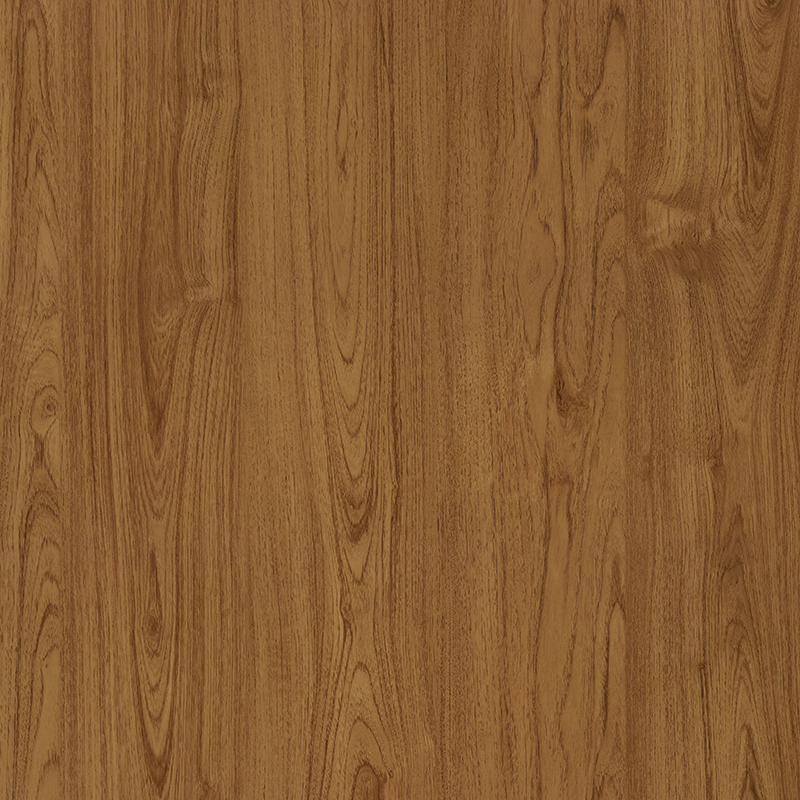
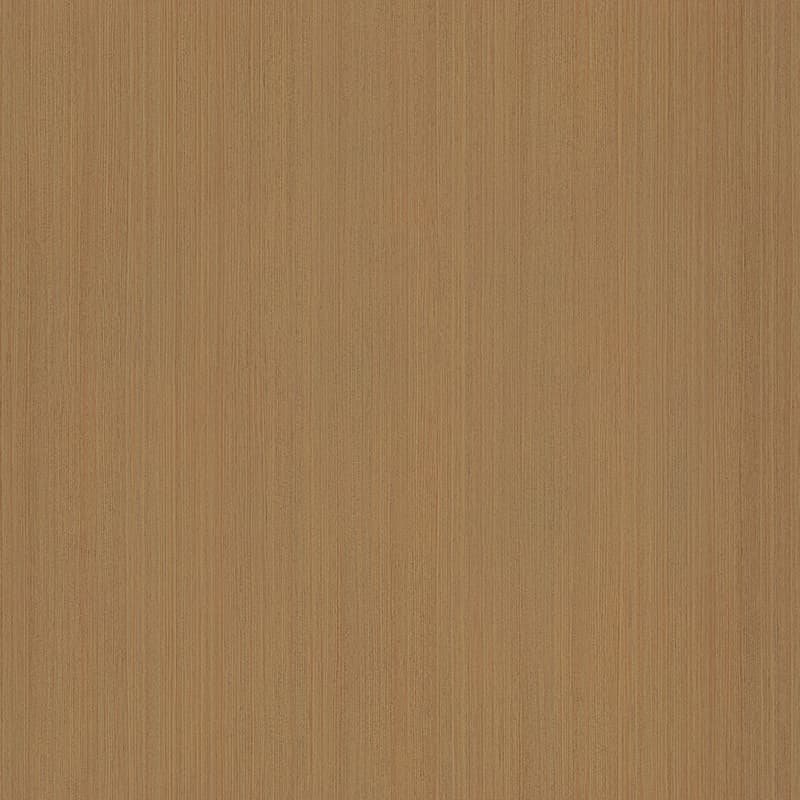
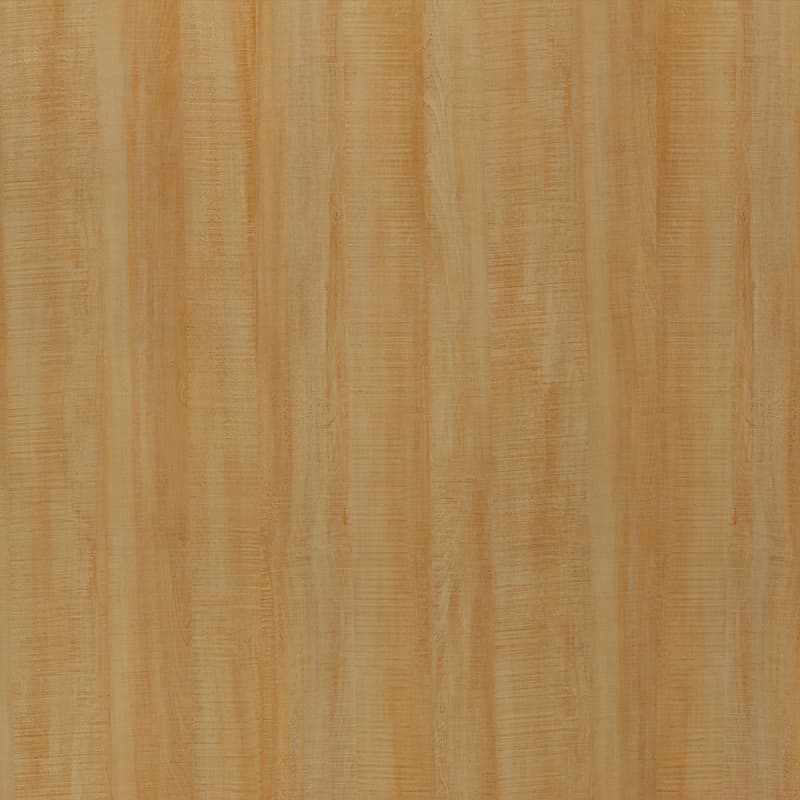
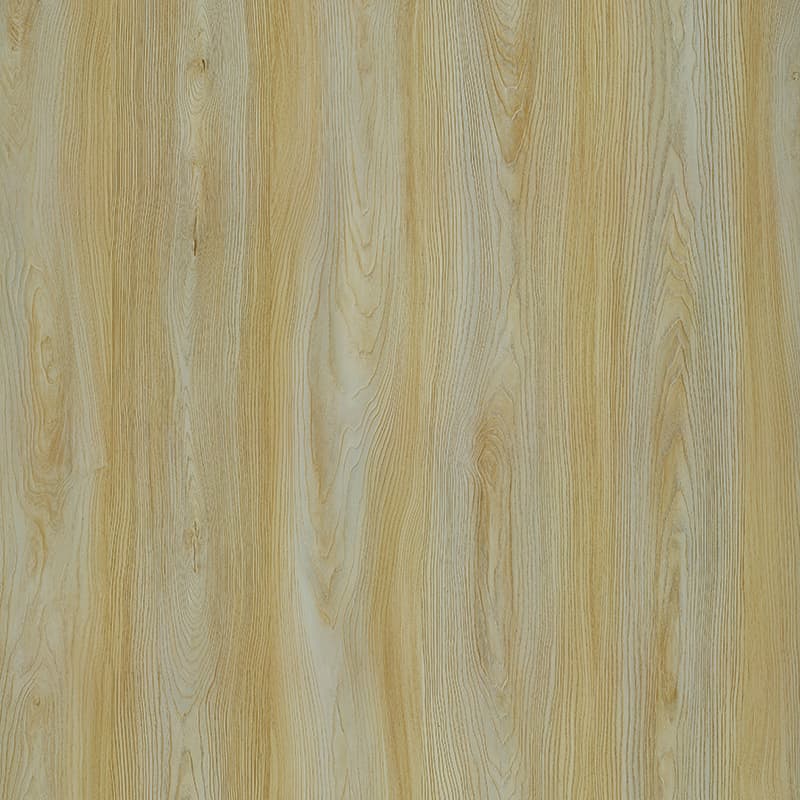

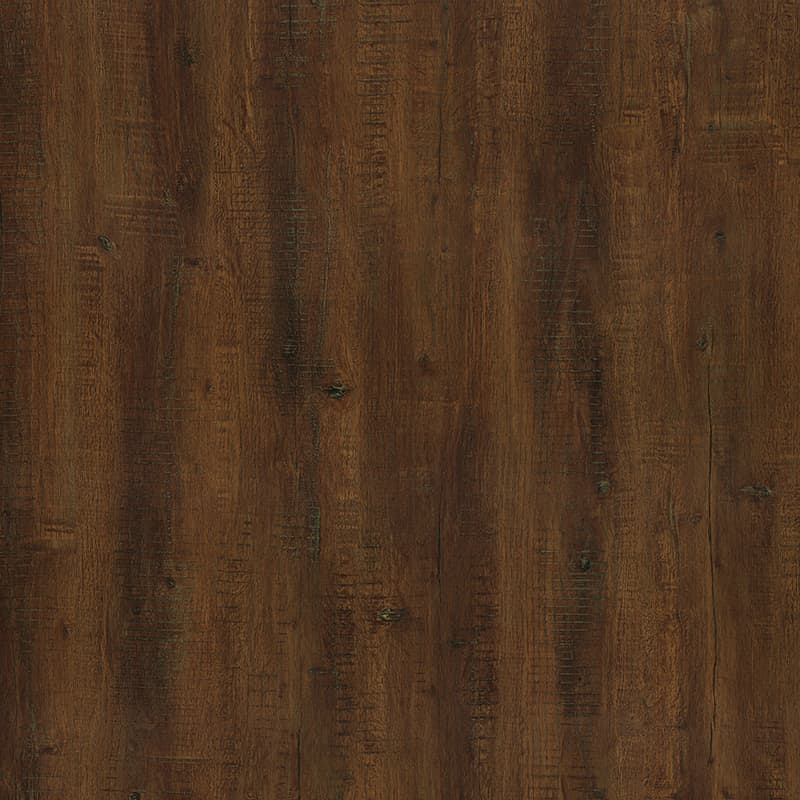
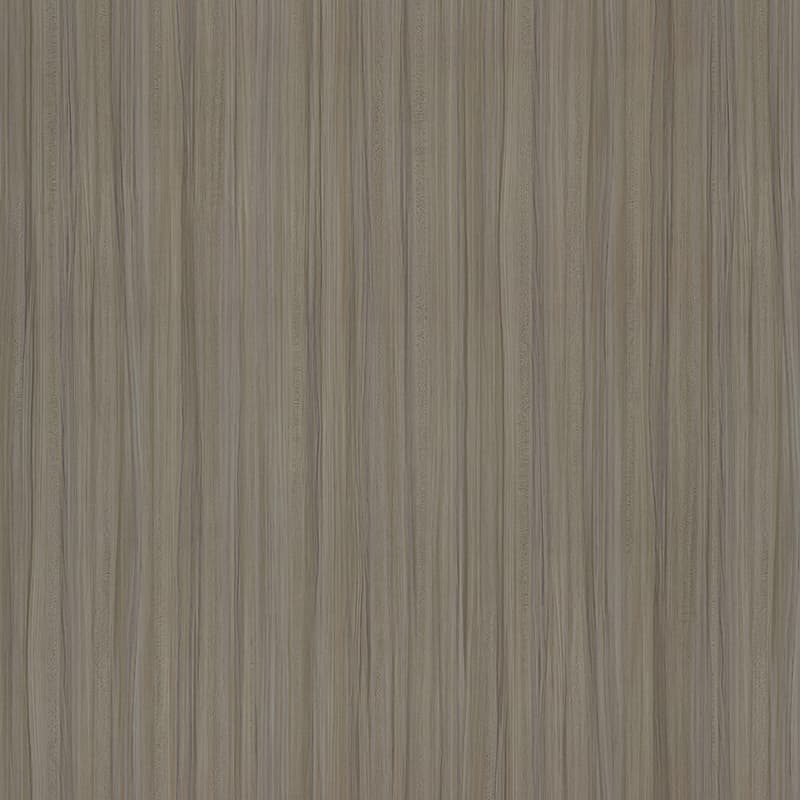


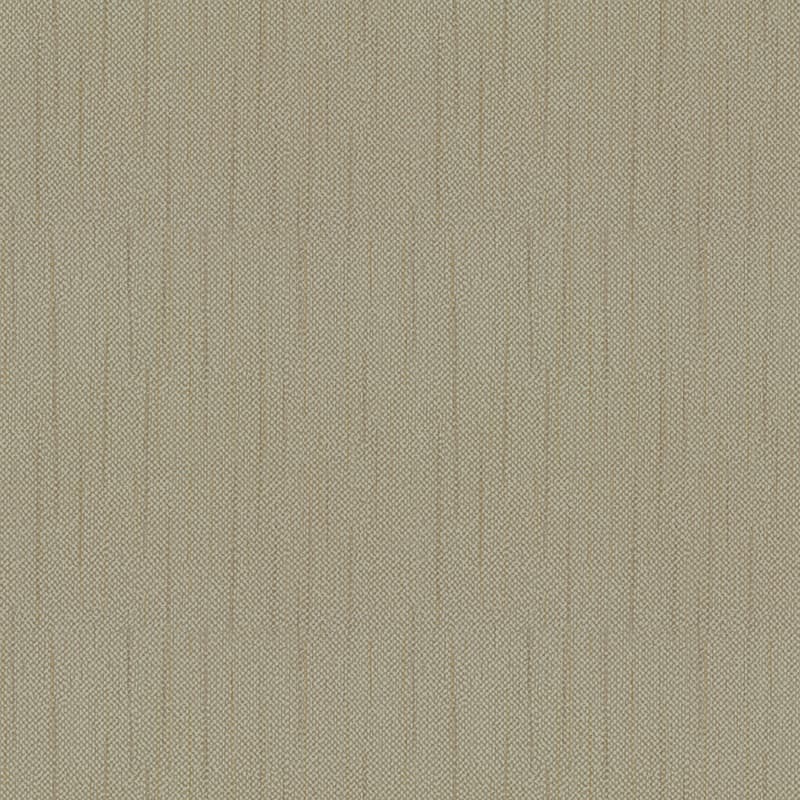
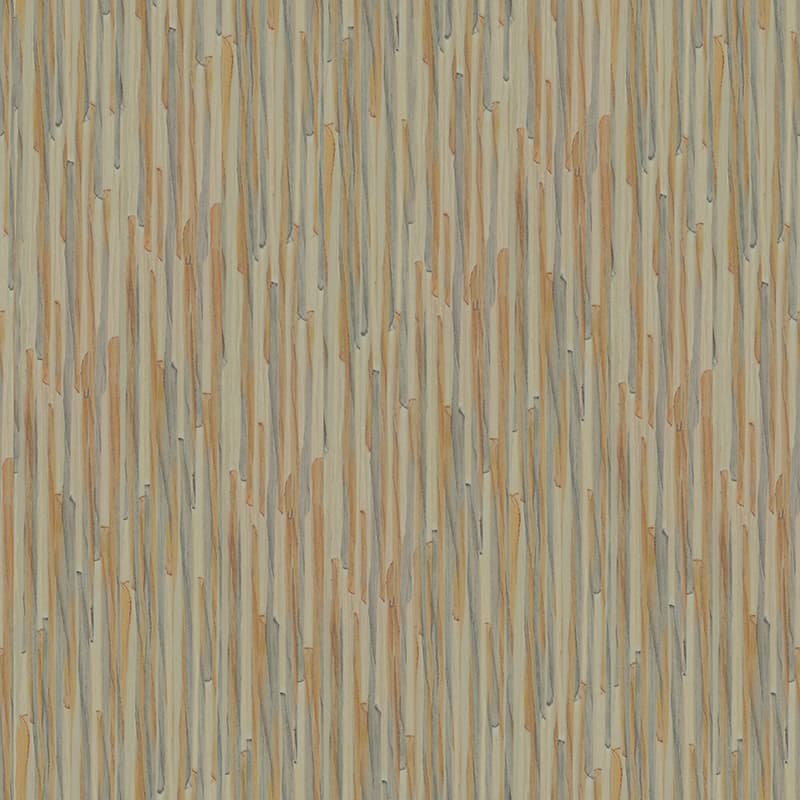

To make the life more colorful
PVC decorative film is a thin, flexible plastic sheet made from polyvinyl chloride that features printed patterns, colors, or textures designed to enhance the appearance of various surfaces. This versatile material has become a popular alternative to traditional wood veneers, laminates, and paint finishes, offering manufacturers and homeowners an affordable way to achieve premium aesthetics without the associated costs.
The film typically ranges from 0.12mm to 0.5mm in thickness and can replicate virtually any surface finish—from natural wood grains and marble patterns to solid colors and metallic effects. Its primary function is to provide a decorative and protective layer that bonds to substrates like MDF, particle board, metal, and plastic through heat, pressure, or adhesive application.
How PVC Decorative Film is Manufactured
The production process involves several critical stages that determine the film's quality and performance characteristics. Understanding this process helps explain why PVC decorative film offers such diverse applications.
Base Material Production
Manufacturers begin by mixing PVC resin with plasticizers, stabilizers, and pigments to create a compound with specific flexibility and durability properties. This mixture undergoes calendaring—a process where heated rollers compress and flatten the material into uniform sheets. High-quality films maintain thickness variations within ±0.01mm, ensuring consistent performance during application.
Printing and Finishing
The decorative layer is applied through gravure or digital printing technologies. Gravure printing can achieve resolution up to 175 lines per inch, creating photorealistic wood and stone patterns. After printing, manufacturers apply protective topcoats—typically acrylic or polyurethane-based—that provide scratch resistance and UV protection. Some premium films include embossing rollers that add three-dimensional texture synchronized with the printed pattern.
Types of PVC Decorative Film
Different manufacturing techniques and chemical formulations create distinct film categories, each suited for specific applications.
| Film Type | Thickness Range | Primary Application | Key Feature |
|---|---|---|---|
| Rigid Film | 0.3-0.5mm | Flat surfaces, wall panels | High dimensional stability |
| Soft Film | 0.12-0.25mm | 3D forming, curved surfaces | High elongation (up to 150%) |
| Pre-coated Film | 0.2-0.35mm | Vacuum pressing | Built-in adhesive layer |
| High Gloss Film | 0.18-0.3mm | Kitchen cabinets, doors | Mirror-like finish (>90 gloss units) |
Common Applications Across Industries
PVC decorative film has penetrated numerous sectors due to its cost-effectiveness and aesthetic versatility.
Furniture Manufacturing
The furniture industry represents approximately 45% of global PVC decorative film consumption. Manufacturers apply the film to cabinet doors, wardrobe panels, and office furniture using vacuum membrane pressing or flat lamination techniques. A single furniture factory can process 20,000-30,000 square meters of film monthly, replacing traditional wood veneer that costs 3-5 times more per square meter.
Interior Architecture
Construction professionals use rigid PVC films for wall cladding, door skins, and window profiles. These applications benefit from the material's moisture resistance and low maintenance requirements. Hospital and commercial building projects particularly favor antibacterial film variants that inhibit bacterial growth by over 99.9% according to ISO 22196 testing standards.
Automotive Interiors
Vehicle manufacturers apply specialized PVC films to dashboard components, door panels, and center consoles. These automotive-grade films withstand temperature extremes from -30°C to 80°C and pass rigorous VOC emission standards required by regulations in Europe and North America.
Key Advantages Over Alternative Materials
Several performance characteristics make PVC decorative film particularly attractive for both manufacturers and end users.
- Cost efficiency: Material costs range from $0.80-$2.50 per square meter compared to $4-$12 for wood veneer or HPL laminates of similar appearance
- Processing speed: Vacuum pressing takes 45-90 seconds per piece versus 8-12 hours for traditional veneer gluing and drying
- Design flexibility: Manufacturers can replicate endangered wood species, rare stones, or custom patterns without material sourcing constraints
- Durability: Quality films resist fading for 5-10 years under indoor conditions and maintain scratch resistance of 2-3H pencil hardness
- Moisture resistance: PVC films absorb less than 0.5% water by weight, preventing delamination in humid environments
- Easy maintenance: Non-porous surface allows cleaning with standard household detergents without special treatments
Application Methods and Equipment
Professional application requires specific equipment and techniques to achieve optimal bonding and finish quality.
Vacuum Membrane Pressing
This method dominates 3D profile applications. The process heats film to 120-180°C, making it pliable, then uses vacuum pressure (0.6-0.8 bar) to conform the film around substrate contours. Modern machines achieve bonding strength of 8-12 N/cm, ensuring the film remains adhered through normal use cycles. Processing time per piece ranges from 45 seconds for simple profiles to 2 minutes for complex geometries.
Flat Lamination
For flat panels, manufacturers use hot or cold roller presses. Hot lamination operates at 100-140°C with pressure of 2-4 kg/cm², while cold lamination relies on pressure-sensitive adhesives and applies 1-2 kg/cm² at room temperature. Production speeds reach 15-25 meters per minute for continuous operations.
Wrapping Technology
Profile wrapping machines handle linear components like furniture edges and window frames. These systems use heated rollers and tensioning controls to wrap film around profiles at speeds of 8-15 meters per minute, with automatic cutting and trimming of excess material.
Quality Considerations and Selection Criteria
Not all PVC decorative films deliver equivalent performance. Several factors determine suitability for specific applications.
Surface Quality Indicators
Premium films exhibit uniform color across entire rolls, with color variation Delta E less than 1.5 according to CIE Lab measurements. Print registration should maintain alignment within 0.5mm, preventing blurred or doubled pattern edges. Surface smoothness, measured as Ra value, should not exceed 0.8 micrometers for high-gloss finishes.
Performance Testing Standards
Reliable suppliers provide test reports for critical parameters:
- Adhesion strength tested per ASTM D3359, requiring minimum 4B rating
- Light fastness rated to ISO 4892, with quality films achieving Grade 6 or higher
- Formaldehyde emission below 0.1 mg/m³ for interior applications per EN 717-1
- Fire resistance meeting Class B or better under GB 8624 standards for public spaces
Thickness and Formulation Selection
Application requirements dictate optimal film specifications. Flat surface applications perform well with 0.18-0.25mm films, while deep-draw 3D forming requires 0.25-0.35mm thickness to prevent tearing during stretching. Outdoor or high-UV exposure demands formulations with stabilizer concentrations above 3% to prevent degradation.
Environmental and Safety Aspects
Modern PVC decorative films address environmental concerns through improved formulations and recycling programs.
Health and Safety Compliance
Reputable manufacturers have eliminated phthalate plasticizers, replacing them with non-toxic alternatives like DINCH or DOTP. These formulations pass REACH regulations in Europe and maintain total VOC emissions below 0.25 mg/m³ when tested per AgBB standards. Lead-free stabilizers have become industry standard, with calcium-zinc compounds replacing traditional lead-based systems.
Recyclability and Waste Management
PVC decorative films carry recycling code #3 and can be mechanically recycled when separated from substrates. Industry initiatives like VinylPlus in Europe have achieved recycling rates of 742,000 tonnes annually across all PVC applications. Post-industrial waste from film manufacturing typically reaches 85-90% recycling rates through regranulation processes.
Maintenance and Longevity
Proper care significantly extends the service life of PVC decorative film surfaces.
Regular cleaning requires only mild soap solutions and soft cloths. Avoid abrasive cleaners, acetone, or strong solvents that can damage the protective topcoat. For high-traffic areas like kitchen cabinets, weekly cleaning maintains appearance, while less-used surfaces need attention only monthly.
Expected lifespan varies by application environment: indoor furniture maintains appearance for 8-12 years, interior doors for 10-15 years, and protected wall applications for 15-20 years. Direct sunlight exposure reduces these figures by 30-40% without UV-resistant formulations.
Minor damage such as small scratches can often be minimized using specialized PVC polishing compounds. However, tears or delamination typically require professional reapplication, as repair patches rarely achieve invisible results on decorative patterns.
Market Trends and Future Developments
The PVC decorative film industry continues evolving with technological advancements and changing consumer preferences.
Digital printing technology is displacing traditional gravure methods for short-run productions, enabling minimum order quantities as low as 500 linear meters compared to 5,000+ meters for gravure. This democratizes custom pattern creation for smaller manufacturers and designers.
Antimicrobial films incorporating silver ion or copper-based additives have grown 35% annually since 2020, driven by healthcare facility renovations and post-pandemic hygiene awareness. These specialized products command 20-40% price premiums over standard films.
Texture synchronization technology now achieves precise alignment between printed grain patterns and embossed texture, creating tactile realism that replicates natural materials within 0.1mm registration accuracy. This advancement challenges even expert observers to distinguish quality film from genuine wood or stone at normal viewing distances.

