
 English
 русский

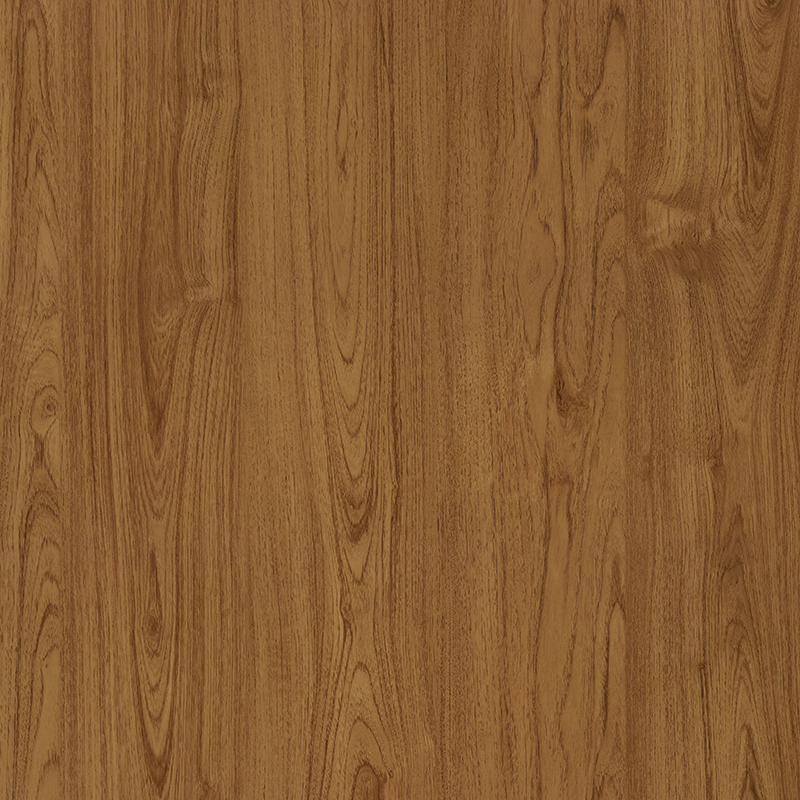
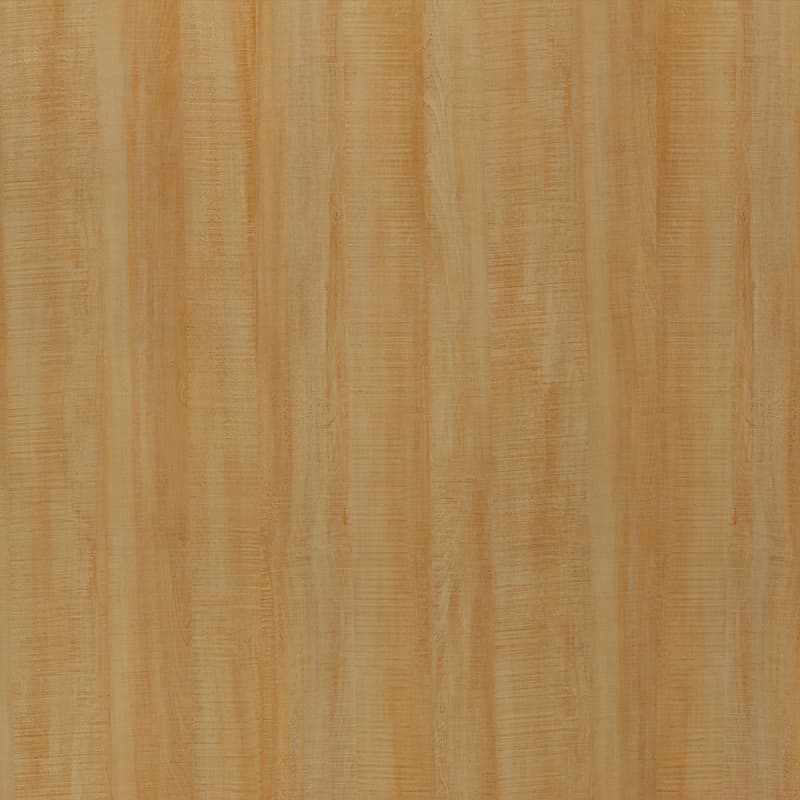
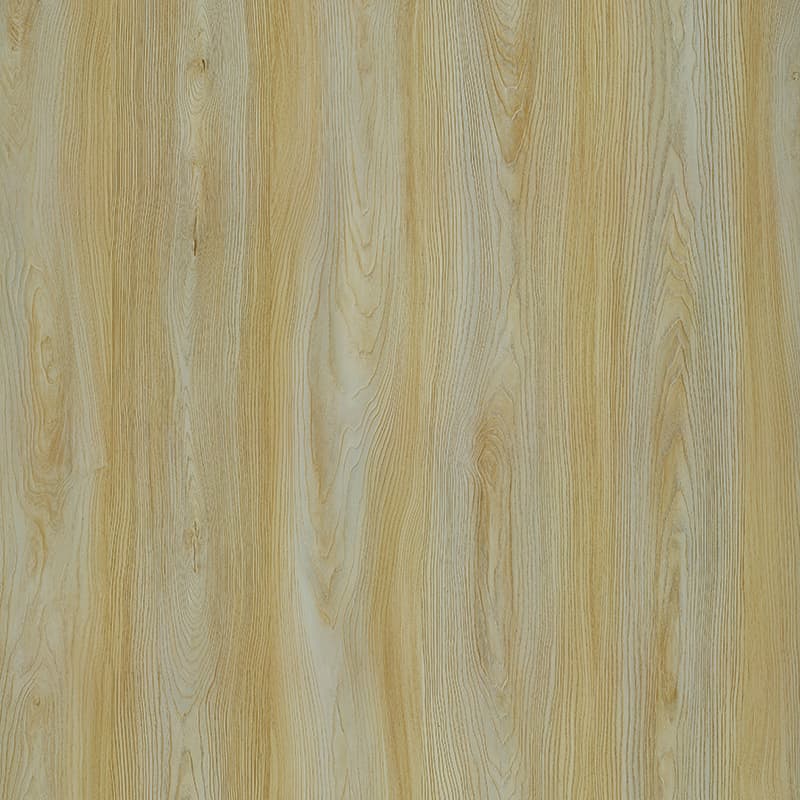


To make the life more colorful
Content
PVC decorative films are one of the most practical surface finishing materials available today — resistant to moisture, scratches, and daily wear while offering a wide range of designs. But even the most durable film will underperform without the right care. Whether you are a furniture manufacturer, interior designer, or homeowner, understanding how to maintain PVC decorative film properly can significantly extend its lifespan and preserve its appearance. This guide covers everything from the material's built-in durability features to everyday maintenance routines and minor repair techniques.
What Makes PVC Decorative Film Durable
The durability of PVC decorative film comes directly from its multi-layer construction. A standard film consists of a protective top coat, a printed decorative layer, a PVC core, and in many cases an adhesive backing. Each layer plays a specific role in resisting damage and maintaining appearance over time.
The top coat is the first line of defense. It provides resistance against scratches, stains, and UV exposure. High-quality films feature a surface hardness of 3H or above, which is sufficient to withstand everyday contact in residential and commercial settings. The decorative layer beneath uses stable pigments and inks that resist fading under indoor lighting conditions.
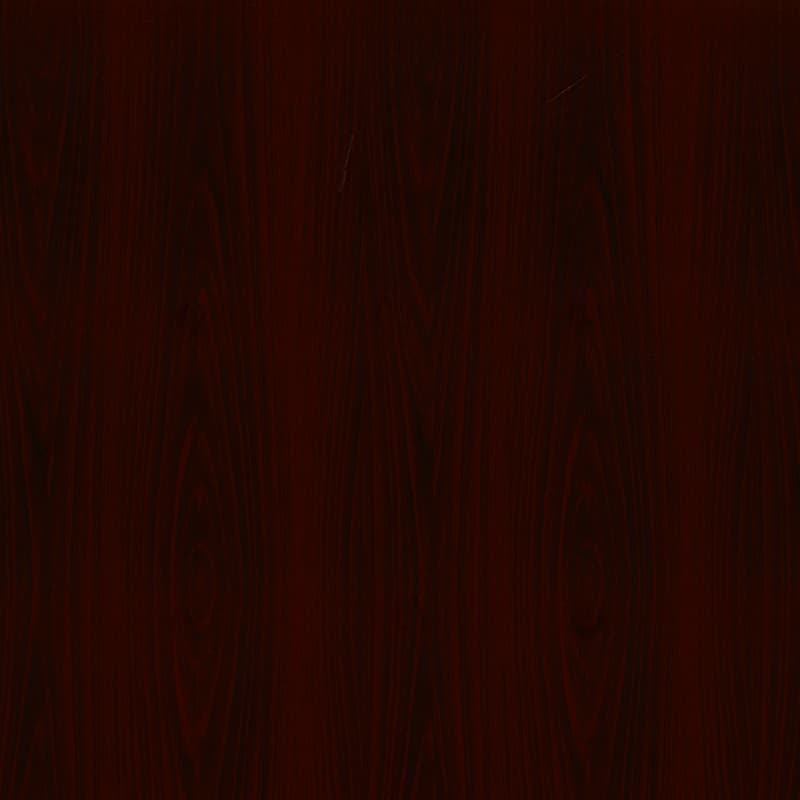
Film thickness is another key durability indicator. PVC wood grain decorative film and other high-performance variants typically range from 0.12 mm to 0.50 mm. Thicker films — generally those exceeding 0.3 mm — offer greater resistance to impact, abrasion, and adhesive stress, making them better suited for furniture wrapping, door profiles, and high-traffic surfaces.
Additional properties that contribute to long-term performance include moisture resistance, which prevents swelling or delamination when applied to MDF or particleboard substrates, and color fastness, which ensures that wood grain, stone, and abstract patterns remain stable without noticeable fading over years of use.
Key Factors That Affect Lifespan
Under normal indoor conditions with proper maintenance, PVC decorative film can last anywhere from 5 to 15 years. However, several variables significantly influence where on that spectrum a particular installation falls.
Installation quality is the most critical factor. A film that has been applied to an unclean, damp, or uneven substrate will develop adhesion problems — bubbling, peeling at corners, or gradual delamination — regardless of product quality. Proper surface preparation, correct temperature during application, and even pressure distribution are all essential for a bond that holds over time.
Environmental conditions also play a major role. For marble grain PVC decorative film and other decorative surfaces used in kitchens or bathrooms, sustained humidity levels above the recommended range can weaken adhesive bonds over time. Similarly, prolonged exposure to direct sunlight accelerates UV degradation, causing surface discoloration and loss of surface integrity. Indoor temperatures should ideally remain between 15°C and 35°C to prevent warping or loosening.
Usage intensity matters as well. Films applied to high-traffic surfaces such as hallway walls, kitchen cabinet doors, or commercial countertops face more frequent mechanical stress than those on decorative panels in low-contact areas. Selecting a film with the appropriate thickness and protective coating for the intended use case is the first step toward long-term durability.
Daily Cleaning and Care Routine
One of the practical advantages of PVC decorative film is that it requires very little maintenance under normal conditions. A consistent and correct cleaning routine is all that is needed to keep surfaces looking their best.
For routine cleaning, wipe the surface with a soft, non-abrasive cloth or sponge dampened with clean water. This removes dust, light fingerprints, and surface debris without any risk of damaging the top coat. For grease, cooking residue, or stubborn stains, a mild detergent diluted in warm water is effective. Apply with a soft cloth, wipe in one direction, and follow with a clean damp cloth to remove any soap residue.
The following cleaning practices should always be avoided:
- Steel wool, scouring pads, or any abrasive scrubbers that can permanently scratch the surface coating
- Harsh chemical cleaners including bleach, acetone, strong alkalis, or solvent-based products that degrade the PVC surface
- Excessive water or steam cleaning, which can penetrate seams and weaken adhesive bonds over time
- Leaving spills to dry on the surface, as some liquids can leave permanent staining if not promptly removed
For more information on how these films perform across different interior applications, refer to this practical guide to using PVC Decorative Film in modern furniture and interior finishing.
Protecting Film from Physical and Environmental Damage
Beyond cleaning, proactive protection measures make a measurable difference in how long a PVC decorative film maintains its appearance.
Protect against scratches and sharp objects. Use felt pads under furniture legs placed on film-covered surfaces. In kitchen environments, use cutting boards rather than cutting directly on cabinet or countertop film surfaces. Keep sharp tools away from wall panels and door surfaces during renovation or remodeling work.
Control heat exposure. PVC is a thermoplastic material, meaning it softens under elevated temperatures. Avoid placing heat sources such as incandescent bulbs, halogen spotlights, or portable heaters in direct proximity to film-covered surfaces. In kitchen settings, do not allow hot pans or appliances to rest directly on film surfaces without a protective barrier such as a trivet or heat-resistant mat.
Manage UV exposure. For surfaces near windows or in sun-facing rooms, consider applying UV-filtering window film to reduce direct sunlight exposure. Films used in outdoor applications — such as curtain wall cladding or exterior furniture — should be specifically rated for UV resistance and weather exposure. UV-stabilized top coats help preserve color integrity and prevent surface brittleness caused by prolonged radiation exposure.
Maintain stable humidity. In environments prone to high moisture — basements, bathrooms, or coastal locations — ensure that the space is adequately ventilated. Persistent condensation on film-covered surfaces can eventually compromise the adhesive layer, especially near edges and seams. Sealing edges during installation provides additional protection in moisture-prone environments.
How to Repair Minor Damage
Despite best efforts, minor damage can still occur. In many cases, small issues can be addressed without replacing the entire film panel.
Surface scratches and scuffs: Light scratches that have not penetrated through the top coat can often be minimized by gently buffing the area with a soft cloth. Some manufacturers offer touch-up products compatible with their film formulations. For deeper scratches that expose the substrate beneath, a matching color filler or repair compound may be used to restore appearance.
Lifting edges and corners: If a corner or edge begins to peel, clean the area thoroughly before attempting any repair. Once dry, apply a compatible contact adhesive or PVC-specific adhesive to both surfaces, press firmly, and hold in place for several minutes. A roller can be used to apply even pressure across the reattached section. Avoid using standard tape or generic glues, which may not bond correctly with PVC surfaces.
Air bubbles: Small bubbles that form after installation can sometimes be removed by carefully pricking them with a fine needle at the edge, then pressing the film flat with a squeegee or soft cloth. Applying gentle heat from a hair dryer can soften the adhesive and improve re-adhesion.
Small tears: For tears shorter than 25 mm, a clear PVC repair patch cut slightly larger than the damaged area can be applied over the tear. Press firmly from the center outward to eliminate trapped air. For larger tears, replacing the damaged section entirely produces a cleaner result.
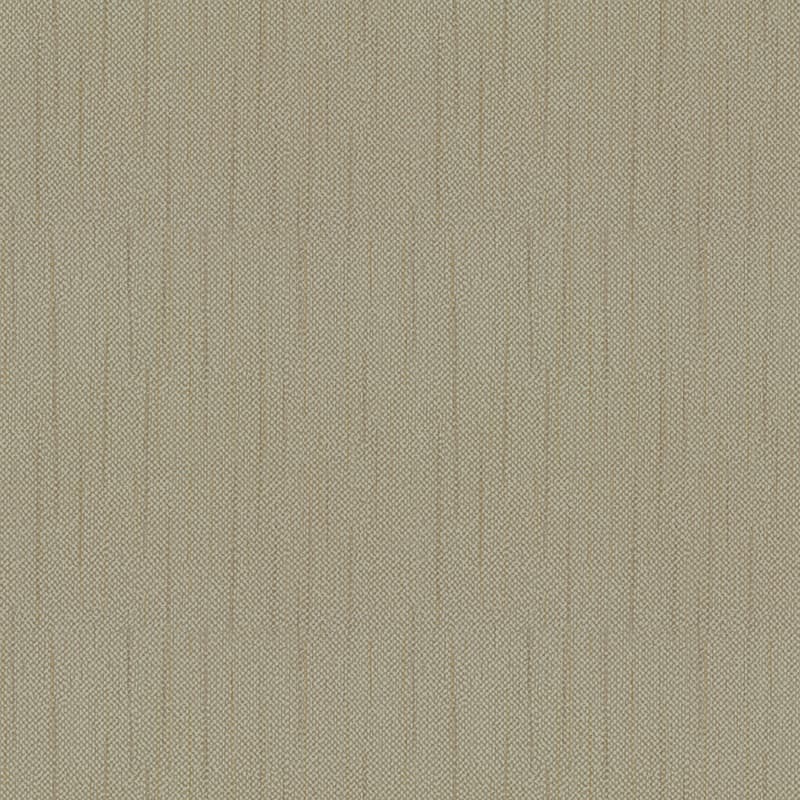
Products like PVC woven grain decorative film are designed with consistent patterning that makes patch repairs visually seamless when done carefully with matching material.
When to Repair vs. When to Replace
Not every instance of wear or damage warrants a full replacement. Understanding when repair is sufficient — and when it is not — helps avoid unnecessary costs while maintaining surface quality.
| Damage Type | Recommended Action |
|---|---|
| Light surface scratches or scuffs | Buff or touch-up — repair is sufficient |
| Small lifting edges or corners | Re-adhesion with compatible adhesive |
| Minor air bubbles (post-installation) | Needle release and squeegee |
| Tears under 25 mm | PVC repair patch with matching material |
| Widespread peeling or delamination | Full panel replacement recommended |
| Deep burns or holes | Section replacement or full re-film |
| Significant fading or discoloration | Full replacement for consistent appearance |
As a general rule, if the adhesive bond has failed across more than 20–30% of a panel, or if the surface coating has degraded to the point where cleaning no longer restores its appearance, replacement is the more cost-effective long-term decision. Continued patching of a heavily worn film tends to produce inconsistent results and can affect the adhesion of the new repair material.
When selecting replacement film, match not only the pattern and color but also the finish type — matte, gloss, soft-touch, or embossed — to ensure visual consistency across adjacent surfaces. Consulting with the original film supplier or manufacturer for matching materials is always the most reliable approach.
PVC decorative film is built to perform over the long term, but its lifespan is ultimately determined by how well it is maintained. Regular cleaning with appropriate tools, protection from heat and UV exposure, timely repair of minor damage, and correct installation from the outset are the four pillars of a durable film surface. Applying these practices consistently ensures that the aesthetic and functional value of PVC decorative film is preserved for years — whether used on residential cabinetry, commercial wall panels, or high-traffic interior doors.

