
 English
 русский

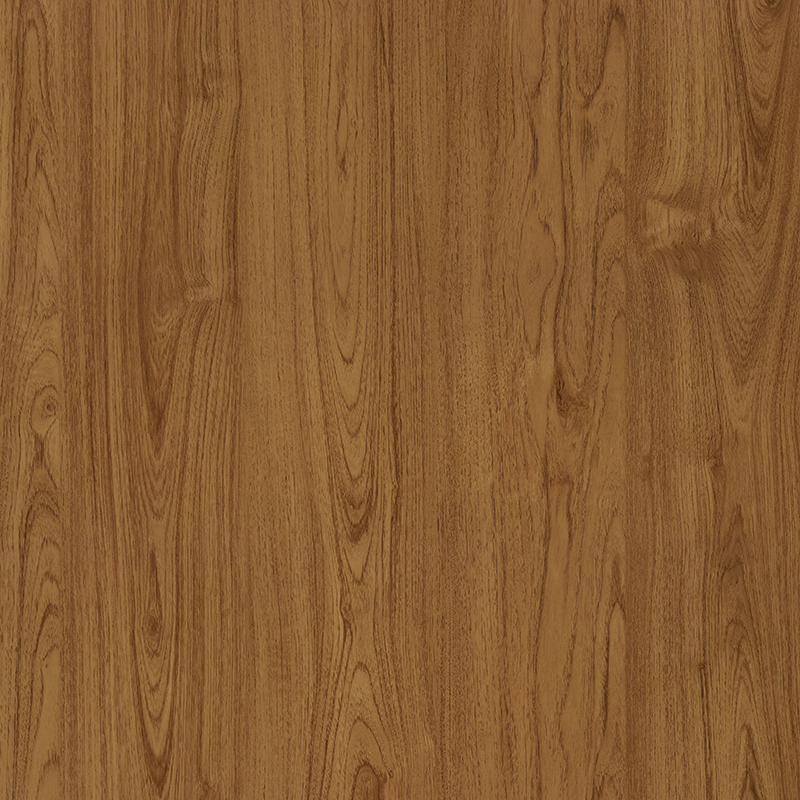
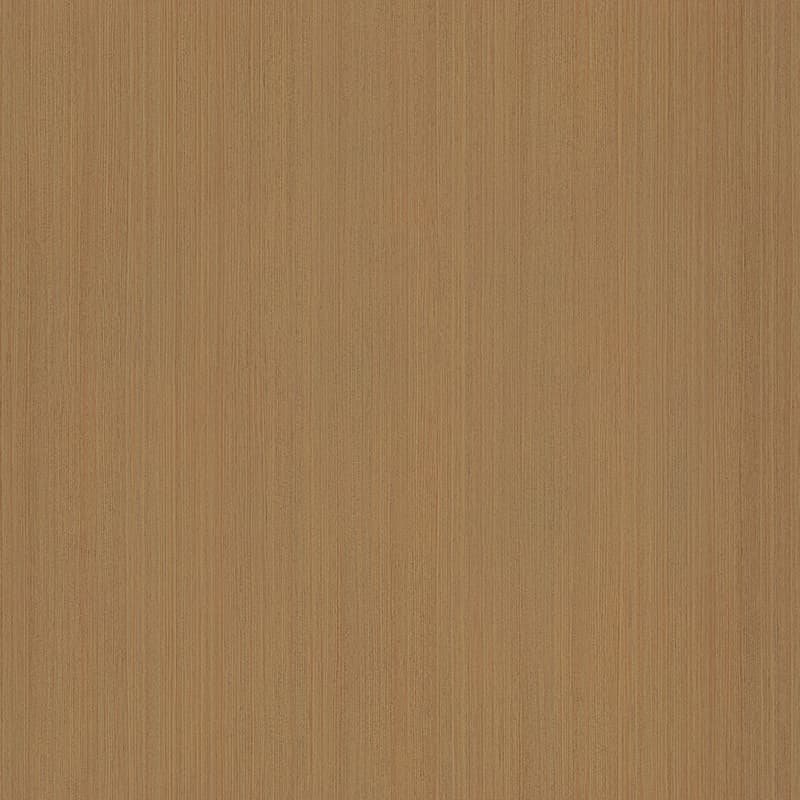
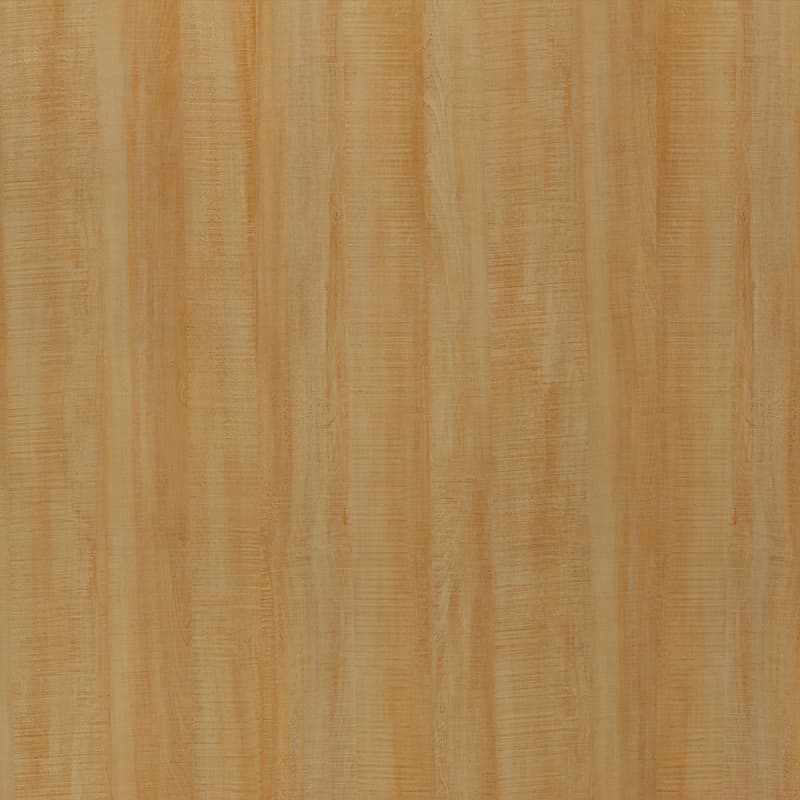
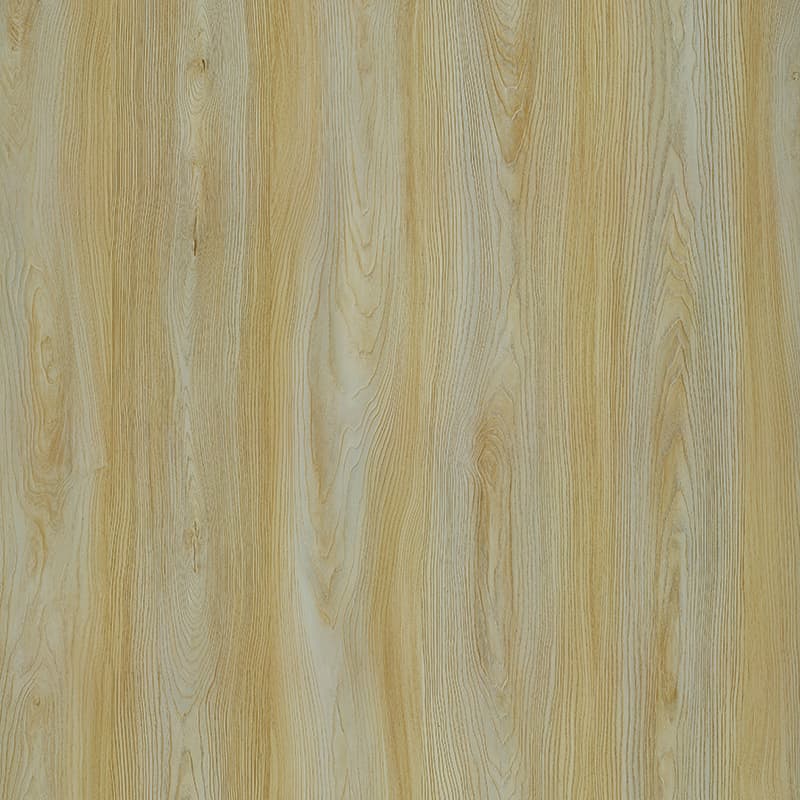

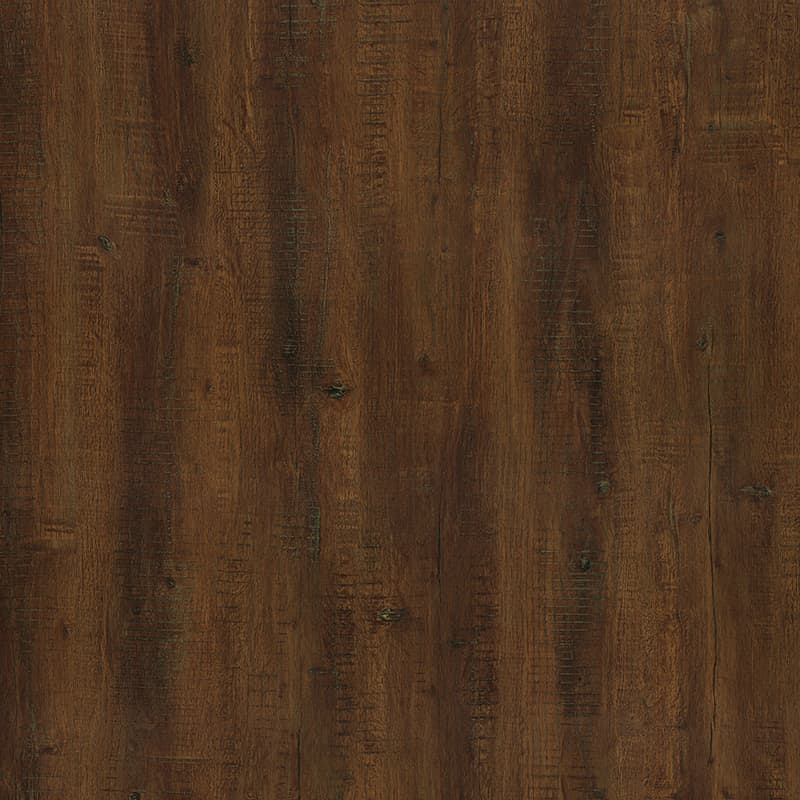
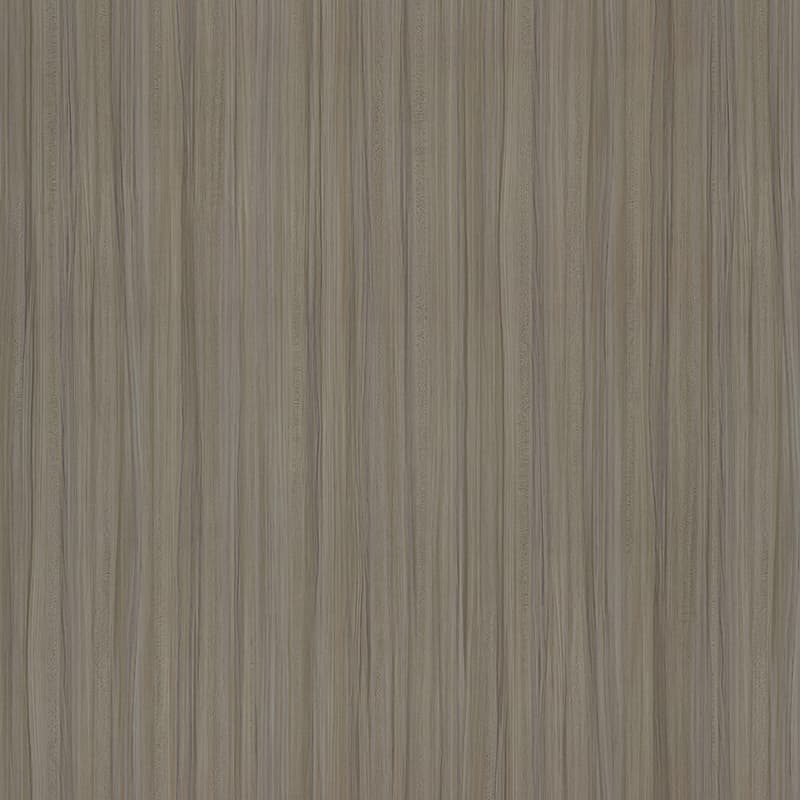
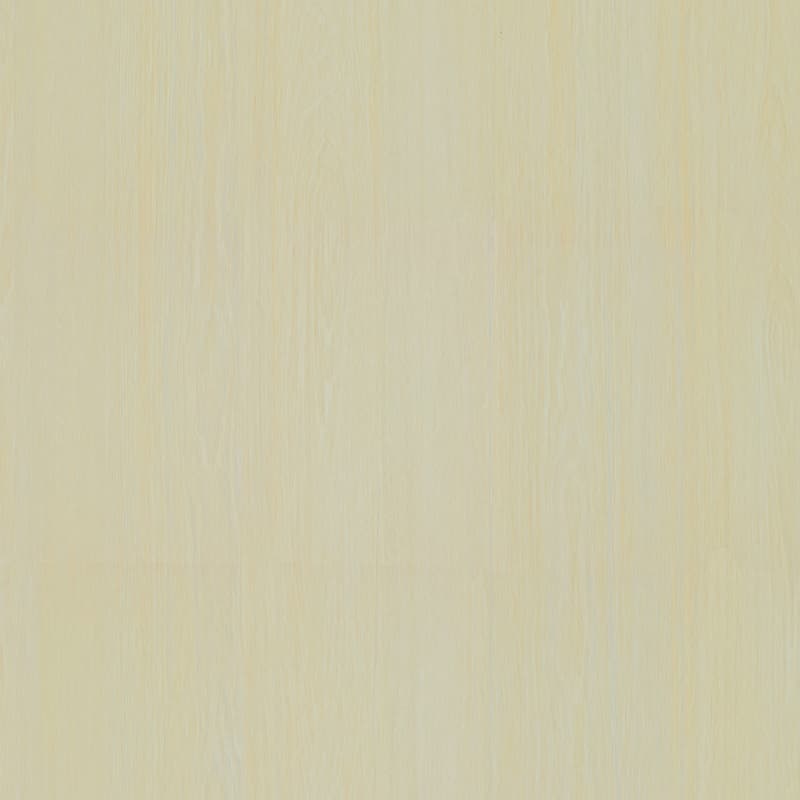
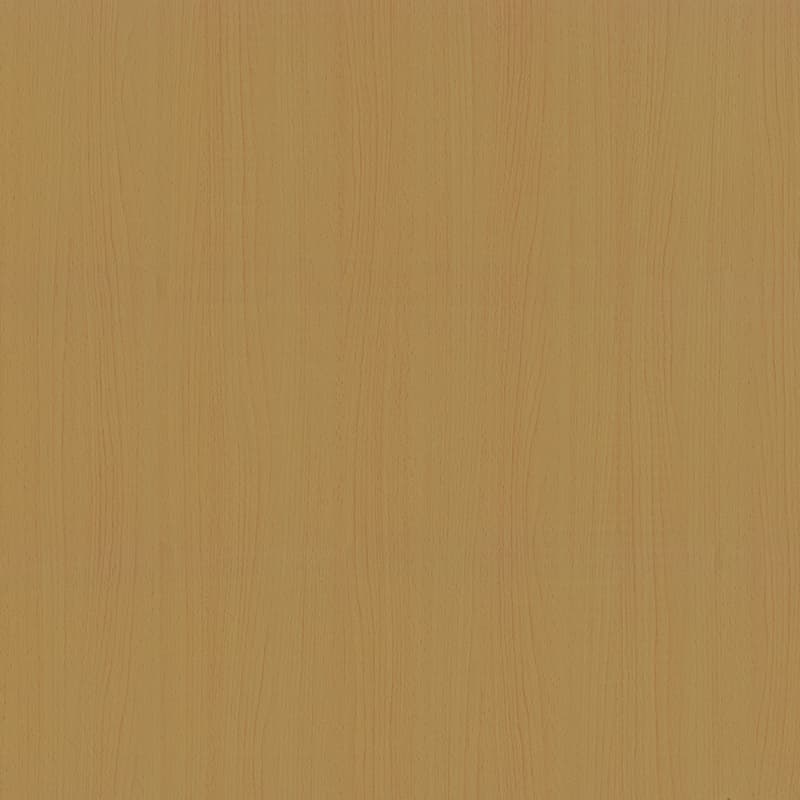
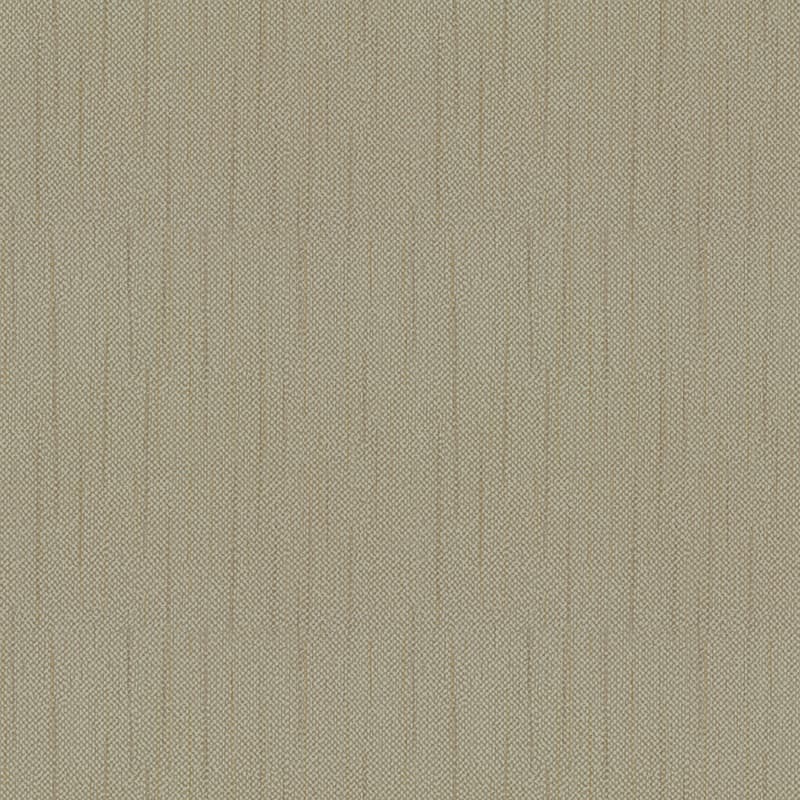
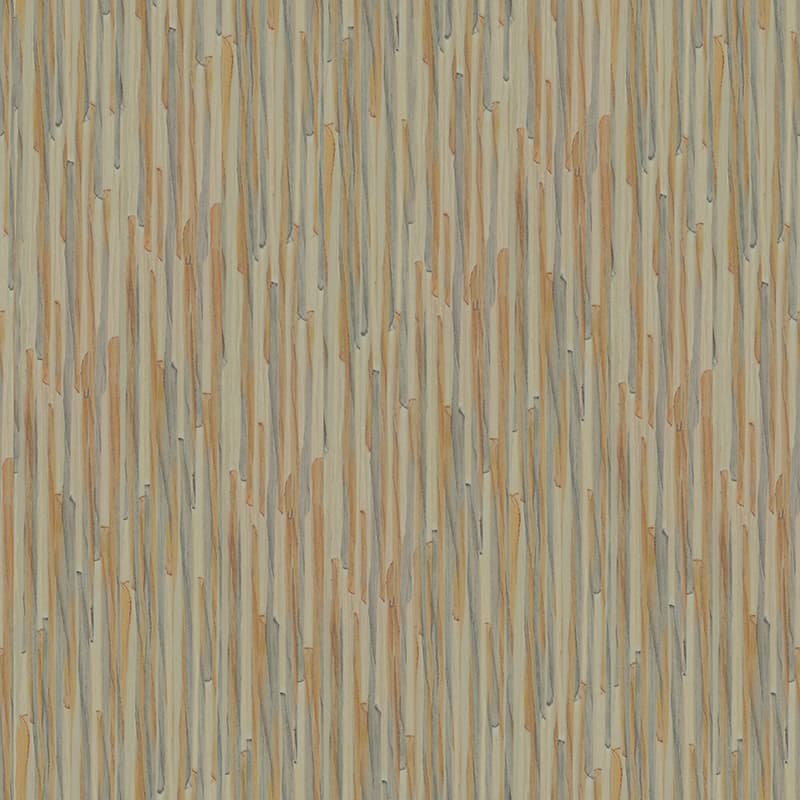
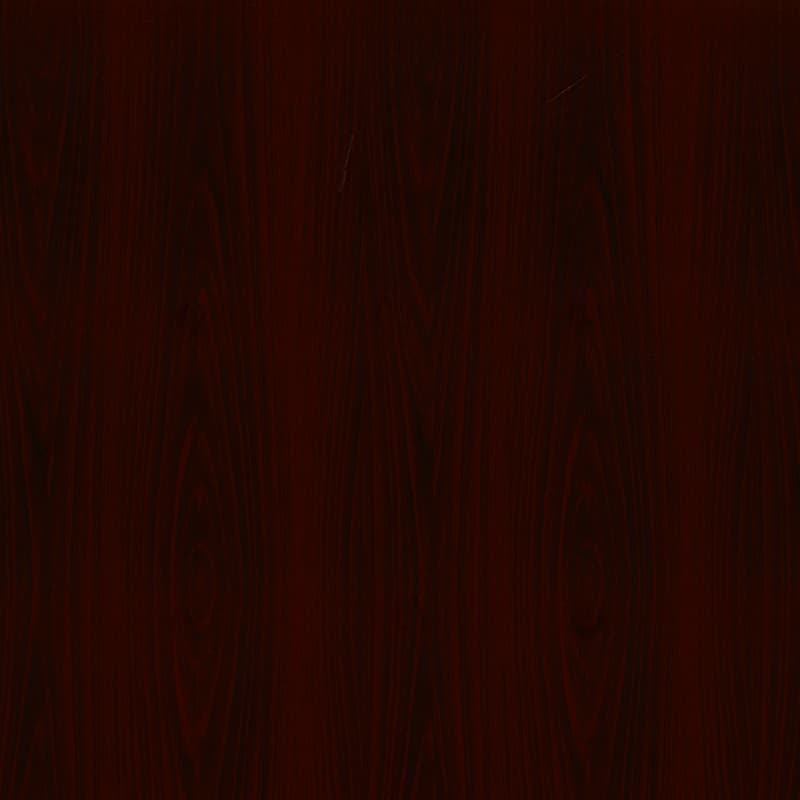

To make the life more colorful
Modern surfaces face a relentless set of demands: daily abrasion, moisture exposure, temperature swings, and the ever-present need to look good. PVC decorative film has risen to meet all of them. Engineered from polyvinyl chloride and built with a precision multi-layer structure, this material has become the surface solution of choice across furniture manufacturing, architectural interiors, transportation, and commercial fit-outs. Understanding its core performance advantages helps designers, manufacturers, and specifiers make decisions grounded in both technical reality and design ambition.
What Makes PVC Decorative Film a High-Performance Surface Material
The performance of PVC decorative film begins at the structural level. A typical film is composed of three functional layers, each serving a distinct role in the finished product.
The protective top coat acts as the first line of defense against external damage. It resists scratches, repels stains, and blocks UV radiation, keeping the surface looking intact long after installation. The decorative printing layer sits beneath it, carrying the visual design—wood grain, stone, textile, or abstract pattern—reproduced using advanced printing technology with vivid, stable pigments. The base layer provides structural integrity and adhesion, allowing the film to bond reliably to substrates including MDF, HDF, plywood, aluminum, and PVC panels.
This layered architecture is what separates high-quality PVC decorative film from simpler surface treatments. Each component is optimized to work with the others, ensuring that neither appearance nor function degrades prematurely. Film thickness typically ranges from 0.12 mm to 0.50 mm, with thicker gauges used for furniture wrapping and door profiles, and thinner films suited to flat panel lamination.
Scratch, Stain, and Moisture Resistance: Built for Real-World Demands
In high-contact environments—kitchens, retail counters, office furniture, hotel lobbies—surfaces take a continuous physical beating. PVC decorative film is specifically engineered to withstand this kind of use without compromise.
Scratch resistance in quality films reaches 3H or higher on the pencil hardness scale, making surfaces resilient against keys, utensils, and general abrasion. Stain resistance comes from the film's non-porous surface, which prevents liquids and oils from penetrating the material. Common spills—coffee, grease, ink—can be wiped clean without leaving marks or discoloration.
Moisture resistance is where PVC decorative film particularly outperforms traditional laminates and wood veneers. Moisture absorption rates fall below 0.1%, which means the film will not swell, delaminate, or warp when exposed to humidity or occasional water contact. This characteristic makes it a reliable choice for bathroom cabinetry, kitchen surfaces, and commercial environments where moisture management is a consistent operational concern.
Thermal Stability and UV Protection for Long-Lasting Appearance
Surface materials that cannot tolerate temperature variation or sunlight will degrade quickly in real-world conditions. PVC decorative film is engineered for thermal and optical stability across demanding environments.
Modern PVC decorative film maintains structural integrity across a temperature range of -20°C to 60°C without dimensional changes—no curling, warping, or adhesive failure. This stability is critical for applications near heat sources, in cold storage environments, or in regions with significant seasonal temperature variation.
UV stabilizers incorporated during manufacturing prevent the photodegradation that causes color fading and surface chalking over time. For spaces with substantial natural light exposure—sunlit kitchens, retail environments with large windows, or exterior cladding applications—UV-resistant PVC decorative film ensures that colors remain consistent and vibrant for years. Wear layer thickness, ranging from 0.15 mm to 0.55 mm depending on product grade, further enhances abrasion resistance in sun-exposed commercial settings.
Design Versatility: From Wood Grain to Marble, the Style Is Unlimited
Durability only delivers full value when it comes paired with genuine aesthetic flexibility. PVC decorative film excels here as well, offering a breadth of visual options that natural materials simply cannot match at equivalent price points.
PVC wood grain decorative film replicates the texture, grain, and warmth of authentic timber with high-definition embossing. Modern manufacturing processes—including photorealistic printing and precision embossing—produce patterns that capture the subtle variations of real wood across hundreds of species and tones. Marble grain PVC decorative film delivers the refined, luxurious aesthetic of natural stone without the weight, fragility, or cost associated with actual marble installation. For softer, textile-inspired interiors, PVC woven grain decorative film mimics the tactile quality of linen, rattan, or canvas with remarkable fidelity.
Finish options extend across high-gloss, matte, super-matte, soft-touch, and embossed variants, allowing precise control over both reflectivity and surface feel. This design range means a single material type can serve a minimalist Scandinavian kitchen, a high-end hospitality lobby, and a contemporary commercial office—each requiring a distinct visual character.
Modern Applications Across Industries
The combination of performance and design range has positioned PVC decorative film as a standard specification material across a wide set of industries and application types.
In furniture manufacturing, film is laminated onto MDF panels for kitchen cabinets, wardrobes, and office furniture. Thermoformability allows the material to wrap cleanly around profiles, edges, and contoured surfaces, eliminating visible seams and reducing the need for separate edge banding. In interior architecture, decorative wall panels finished with PVC film are widely used in residential and commercial projects—stone-look and fabric-textured films add visual depth without structural weight, and the non-porous surface simplifies ongoing maintenance.
In transportation interiors, including high-speed rail and aviation fit-outs, PVC decorative film meets fire-retardancy standards (up to B1 and Grade A ratings) while delivering the refined appearance required in passenger environments. For outdoor applications—curtain walls, roofing color steel covering, exterior cladding, and garden furniture—UV-stabilized, weather-resistant formulations provide a lifespan of 5 to 10 years with appropriate installation and maintenance.
The material's flexibility in application method also contributes to its broad adoption. Flat lamination, membrane pressing, vacuum pressing, and profile wrapping are all viable techniques depending on the substrate geometry and production context.
Cost Efficiency Without Compromising Quality
One of the most practically compelling arguments for PVC decorative film is economic. Compared to solid wood, natural stone, or metal finishes, PVC decorative film typically reduces material costs by 50% to 80%. For a project such as kitchen cabinet refacing, this can represent a saving of thousands of dollars per installation while delivering an equivalent visual result.
Beyond initial material costs, the efficiency advantages continue through the project lifecycle. The film's self-adhesive or adhesive-compatible formats reduce installation time and labor costs significantly. Its resistance to scratching, staining, and moisture means maintenance intervals are longer and replacement needs are less frequent than with natural materials prone to warping, staining, or requiring periodic refinishing.
For large-scale projects—hotel renovations, modular kitchen production runs, commercial office fit-outs—these compounding savings are substantial. The material also reduces shipping and handling costs due to its lightweight nature compared to stone or solid timber alternatives.
Choosing the Right PVC Decorative Film for Your Project
Selecting the correct film involves matching material specifications to application requirements rather than choosing on appearance alone. Several technical factors should guide the decision.
Thickness determines both durability and formability. Thicker films (0.35 mm to 0.50 mm) are preferred for furniture wrapping and door profiles where physical contact is frequent; thinner films suit flat panel lamination where flexibility in handling is less critical. Finish type should reflect both the visual goal and functional environment—high-gloss finishes suit contemporary, easy-clean surfaces, while super-matte or soft-touch finishes reduce visible fingerprints in frequently handled areas.
Substrate compatibility is also essential. Confirm that the film's adhesive system is appropriate for the base material—MDF, plywood, aluminum, and PVC panels each have different surface energy characteristics that affect bonding performance. For outdoor or high-UV applications, always verify that the film carries UV-stabilized, weather-resistant certification before specification.
For guidance on application techniques and product selection matched to specific use cases, refer to our practical guide to using PVC decorative film for interior and furniture finishing.
PVC decorative film is not a compromise between durability and style—it is a resolution of the tension between them. For projects that demand surfaces capable of performing through years of real use while maintaining a precise aesthetic, this material continues to set the standard across residential, commercial, and industrial applications.

