
 English
 русский

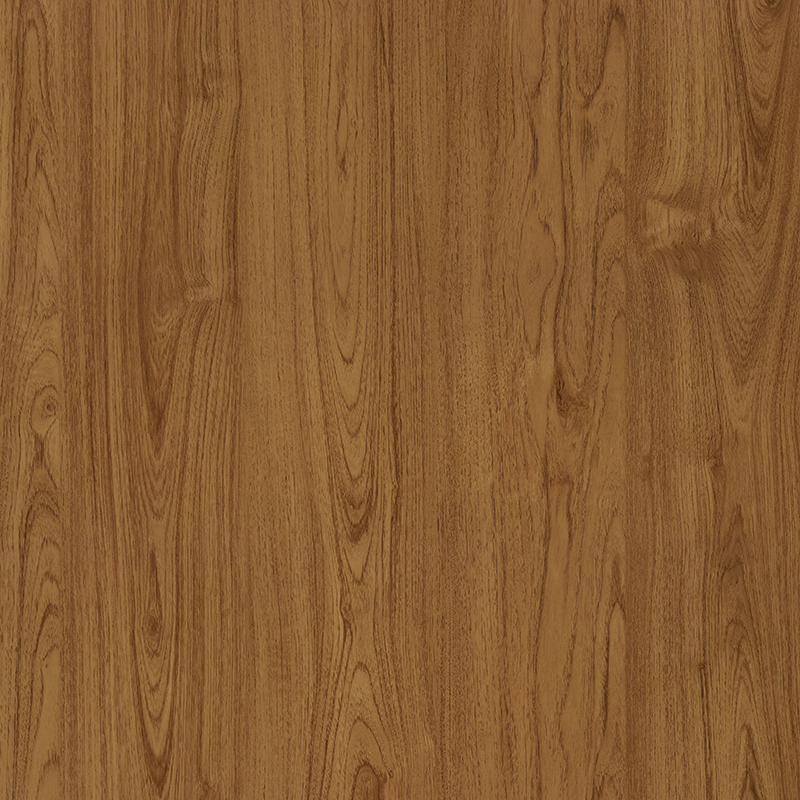
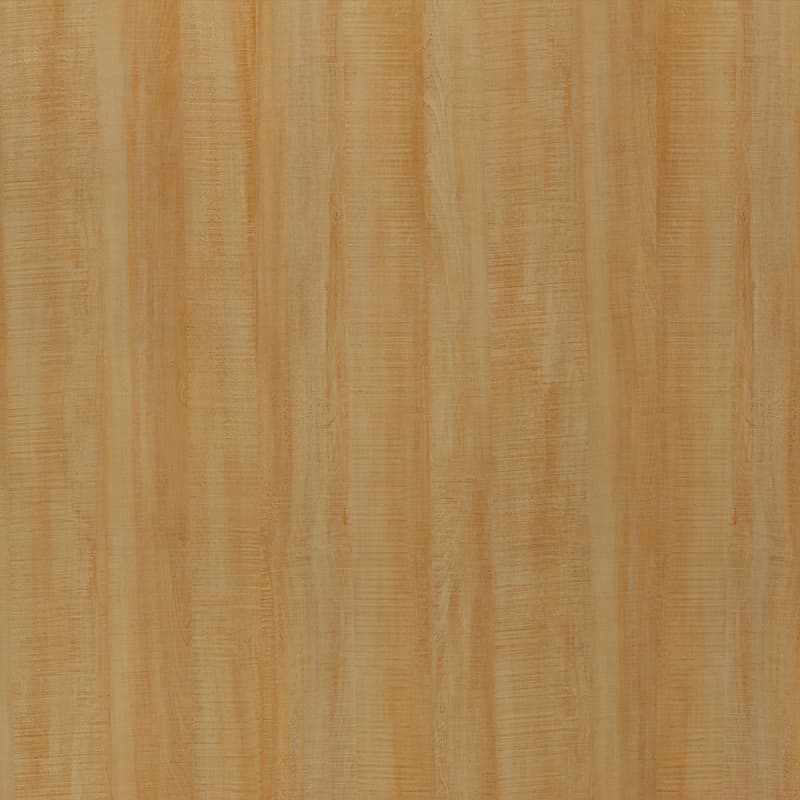
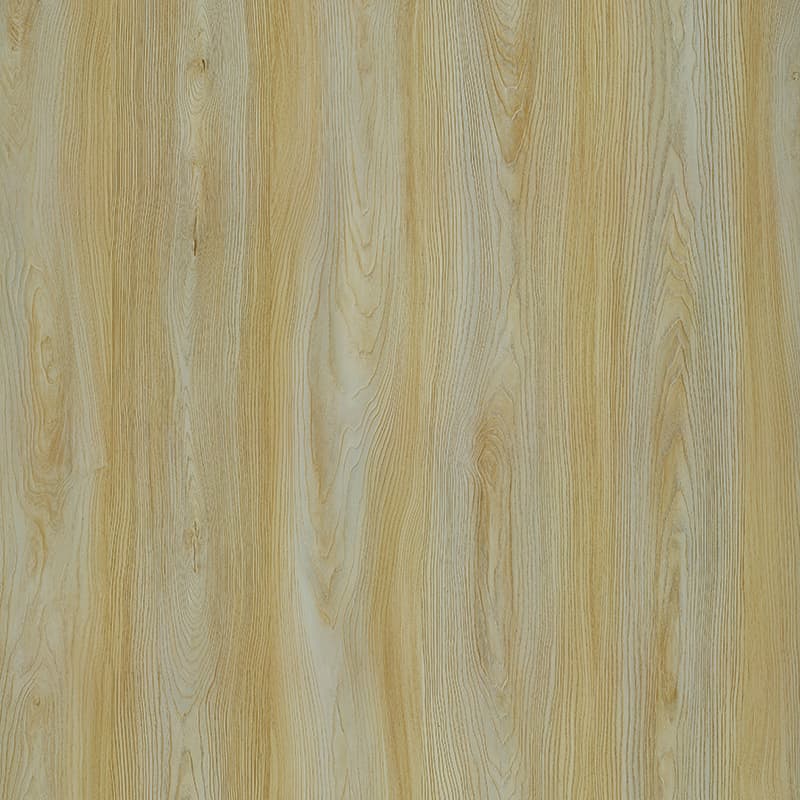

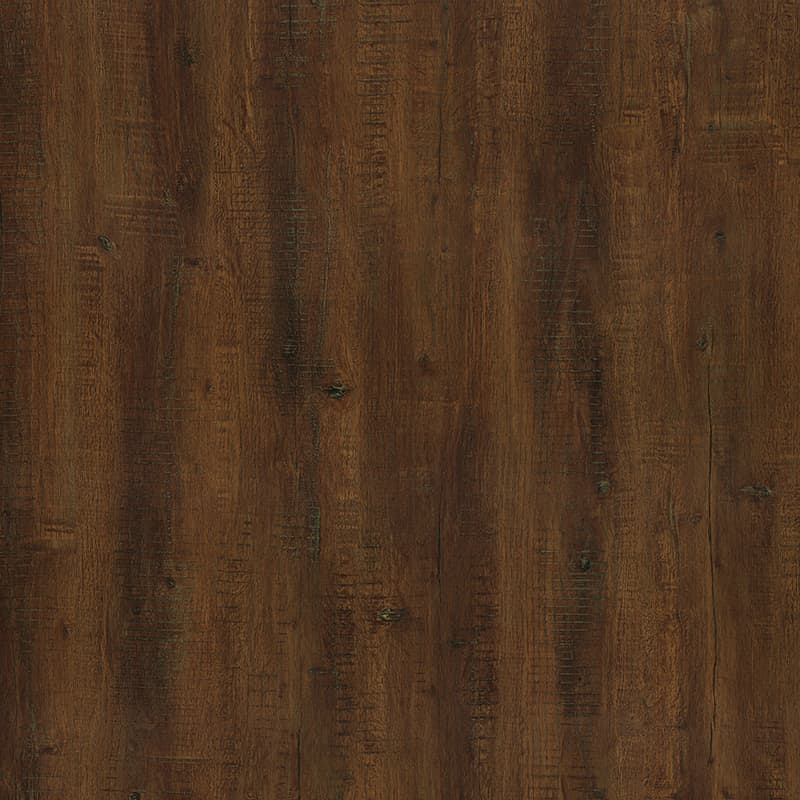
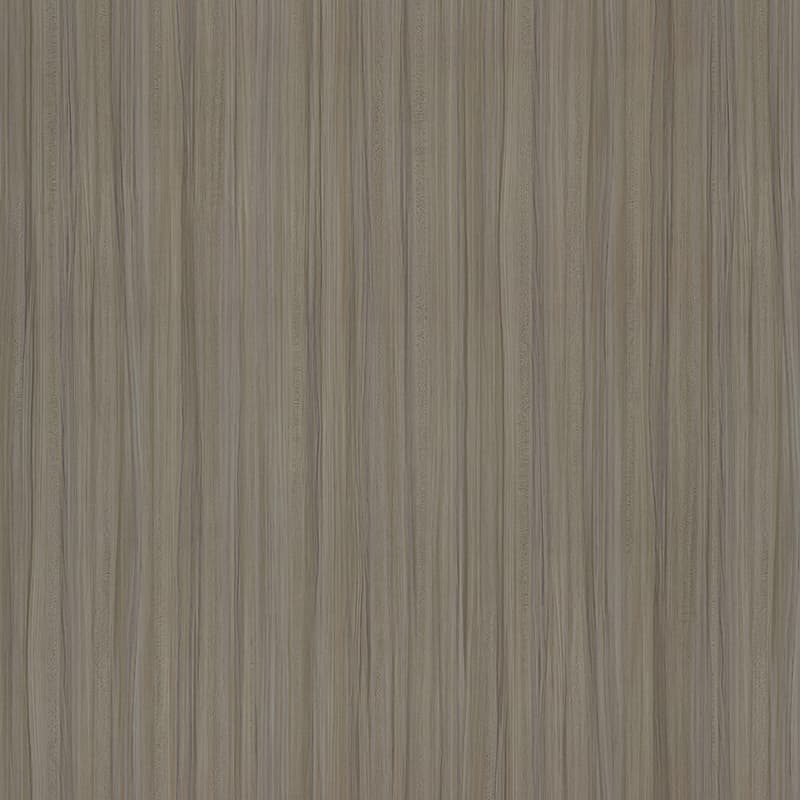
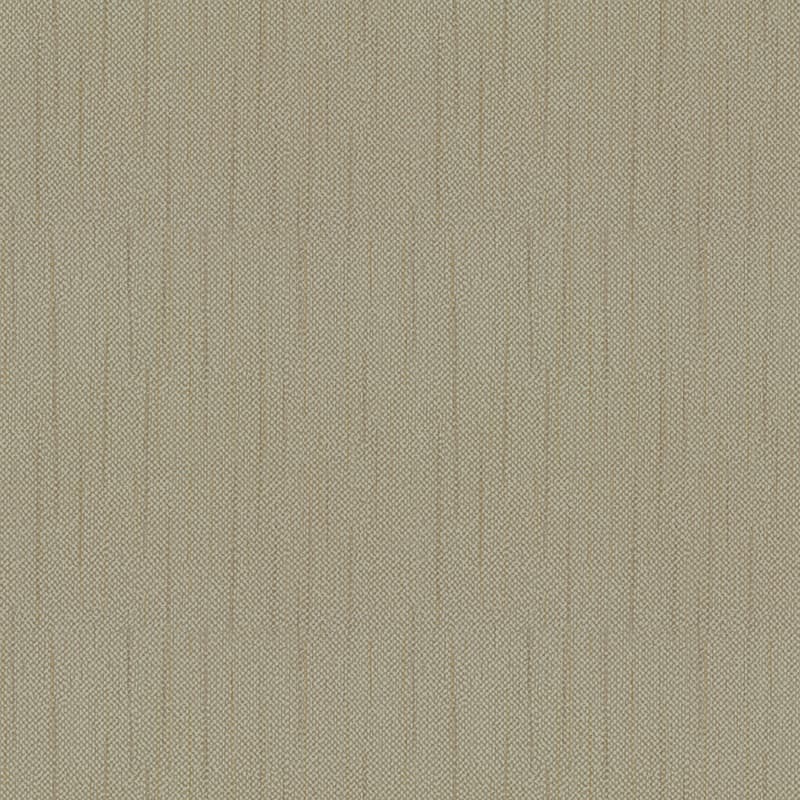
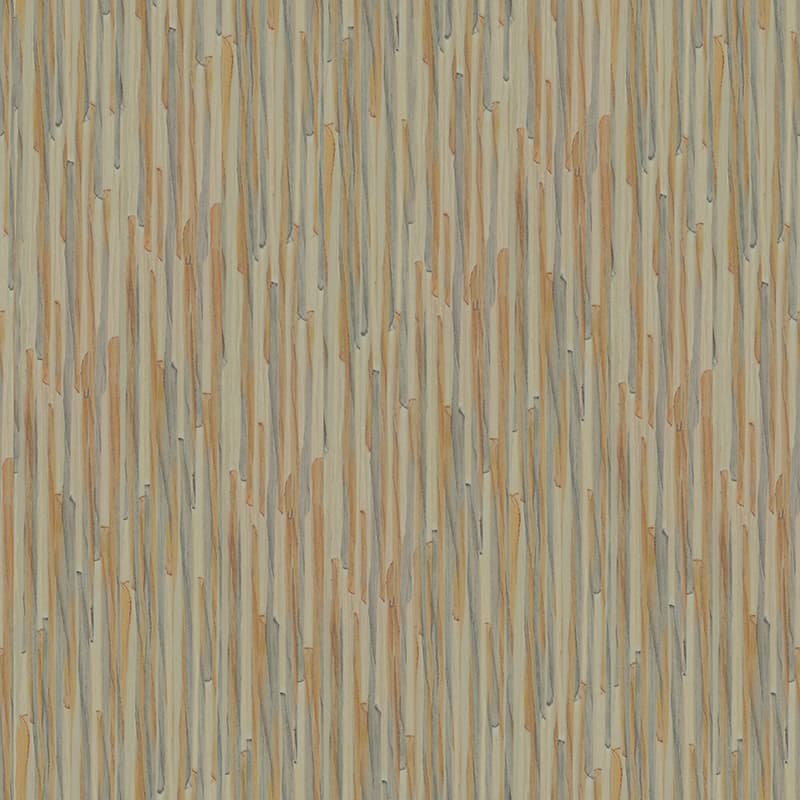
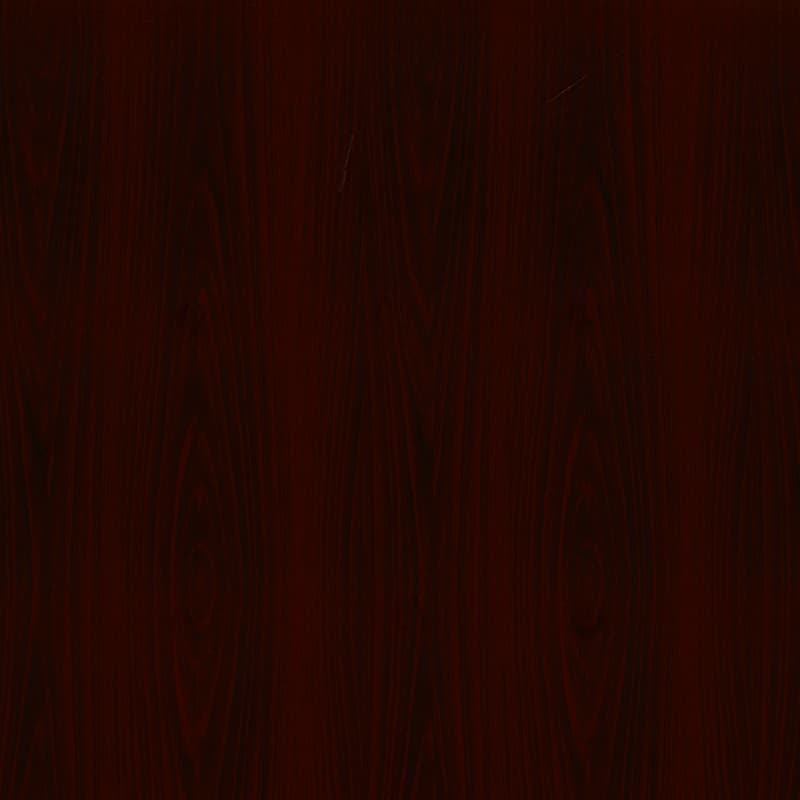

To make the life more colorful
PVC Decorative Film is widely used in furniture manufacturing, interior decoration, and surface finishing because it combines visual appeal with functional protection. This material is designed to replicate wood grain, stone, metal, fabric, and solid colors while offering durability, moisture resistance, and ease of maintenance. Understanding how PVC Decorative Film works in real applications helps manufacturers, designers, and installers achieve consistent results without unnecessary waste or rework.
What PVC Decorative Film Is and How It Is Manufactured
PVC Decorative Film is a flexible thermoplastic sheet produced through calendering or extrusion processes. Pigments, stabilizers, plasticizers, and printing layers are combined to create a multi-layer structure. The printed layer defines the appearance, while the transparent wear layer protects against scratches and fading. This layered structure allows PVC Decorative Film to maintain color stability and surface consistency over long periods.
The manufacturing process directly affects film thickness, embossing depth, and adhesion performance. High-quality films typically range from 0.12 mm to 0.50 mm, depending on application. Thicker films are preferred for furniture wrapping and door profiles, while thinner films are suitable for flat lamination on panels.
Key Performance Characteristics in Practical Use
When selecting PVC Decorative Film, performance properties matter more than appearance alone. These films are engineered to perform under daily wear, temperature changes, and cleaning routines. Understanding these characteristics helps avoid premature failure.
- Moisture resistance prevents swelling or peeling when applied to MDF or particleboard.
- Scratch and abrasion resistance protect surfaces such as cabinets and tabletops.
- Color fastness ensures wood grain and solid colors remain stable under indoor lighting.
- Thermoformability allows the film to wrap around profiles and complex shapes.
These characteristics make PVC Decorative Film suitable for long-term interior applications, particularly in kitchens, bathrooms, and commercial spaces where surfaces face frequent contact.
Common Applications in Furniture and Interior Decoration
PVC Decorative Film is commonly used in furniture and interior finishing because it adapts to various substrates. Its flexibility and adhesive compatibility allow it to bond securely to engineered wood products.
Furniture Panels and Cabinet Doors
In furniture manufacturing, PVC Decorative Film is frequently laminated onto MDF panels for kitchen cabinets, wardrobes, and office furniture. Wood grain PVC film is especially popular because it delivers a natural appearance without the cost or maintenance of solid wood. Matte and super-matte finishes are increasingly used to reduce fingerprints on cabinet surfaces.
Interior Doors and Door Frames
PVC Decorative Film is widely applied to interior doors using vacuum press or profile wrapping techniques. The film covers both flat surfaces and edges seamlessly, reducing the need for edge banding. This creates a unified appearance while improving resistance to scratches and moisture.
Wall Panels and Decorative Surfaces
Decorative wall panels finished with PVC Decorative Film are used in residential and commercial interiors. Stone-look and fabric-textured films provide visual depth without adding structural weight. These panels are easier to clean and maintain than traditional wallpaper or paint.
Comparison of PVC Decorative Film Finishes
Different finishes are selected based on design goals and functional requirements. The table below outlines common PVC Decorative Film finishes and their practical uses.
| Finish Type | Visual Effect | Typical Application |
| Wood Grain | Natural, textured | Cabinets, doors, wardrobes |
| High Gloss | Reflective, smooth | Modern furniture panels |
| Matte | Soft, low reflection | Kitchen cabinets |
| Stone or Concrete | Industrial appearance | Wall panels, retail interiors |
Installation Methods and Best Practices
Proper installation is essential for achieving consistent adhesion and surface quality. PVC Decorative Film can be applied using flat lamination, membrane pressing, or profile wrapping. Each method requires controlled temperature, pressure, and clean substrates.
- Ensure substrates are dry, smooth, and free of dust or oil.
- Use compatible polyurethane or hot-melt adhesives for long-term bonding.
- Control heating temperature to avoid film shrinkage or surface gloss variation.
Following these practices reduces defects such as bubbling, edge lifting, or color distortion during installation.
Maintenance, Cleaning, and Service Life
PVC Decorative Film surfaces are easy to maintain. Regular cleaning with a soft cloth and mild detergent is sufficient for most applications. Abrasive cleaners or solvents should be avoided, as they may damage the protective layer.
Under normal indoor conditions, high-quality PVC Decorative Film can last 8 to 15 years without significant fading or peeling. Proper installation and controlled environmental conditions extend service life and preserve surface appearance.
Choosing the Right PVC Decorative Film for Your Project
Selecting the right PVC Decorative Film depends on substrate type, usage environment, and design expectations. For high-traffic areas, thicker films with enhanced wear layers are recommended. For decorative wall panels, thinner films with realistic textures may be sufficient.
Evaluating samples under actual lighting and testing adhesion on the intended substrate helps avoid mismatches during production. By aligning material selection with practical requirements, PVC Decorative Film becomes a reliable and cost-effective solution for modern interior and furniture applications.

