
 English
 русский

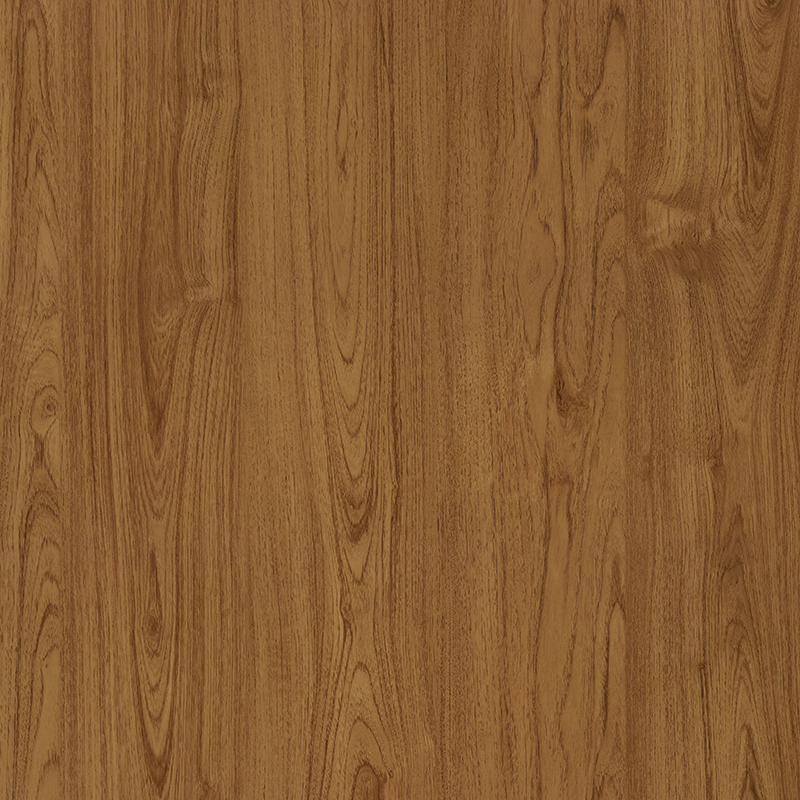
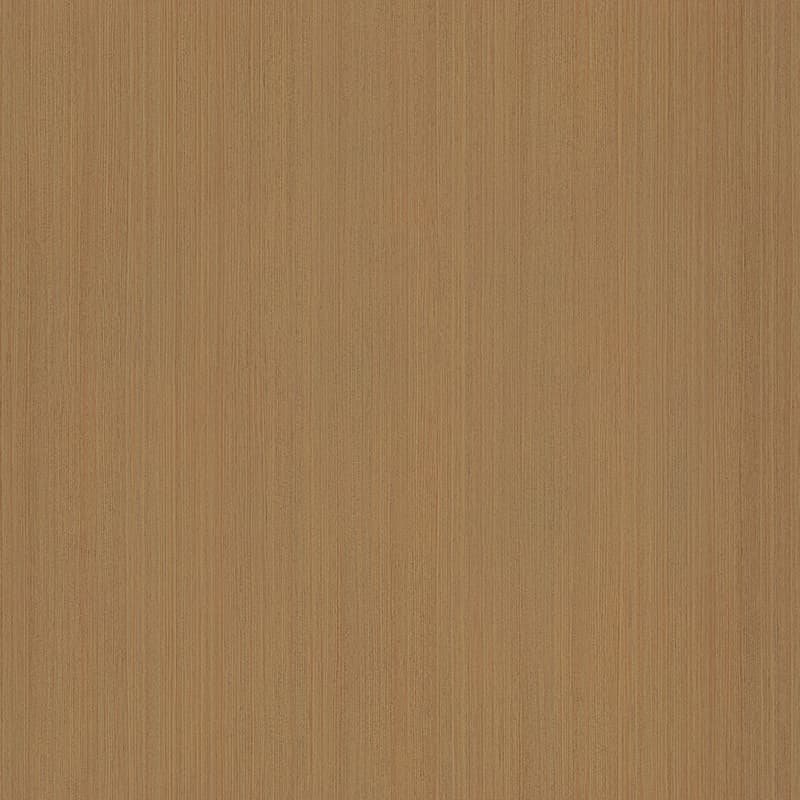
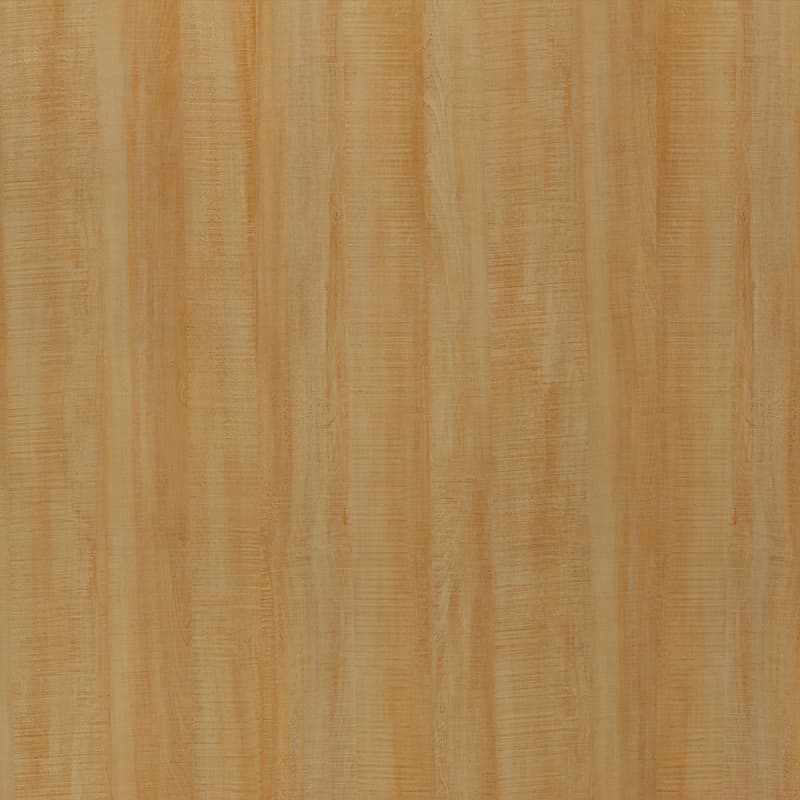
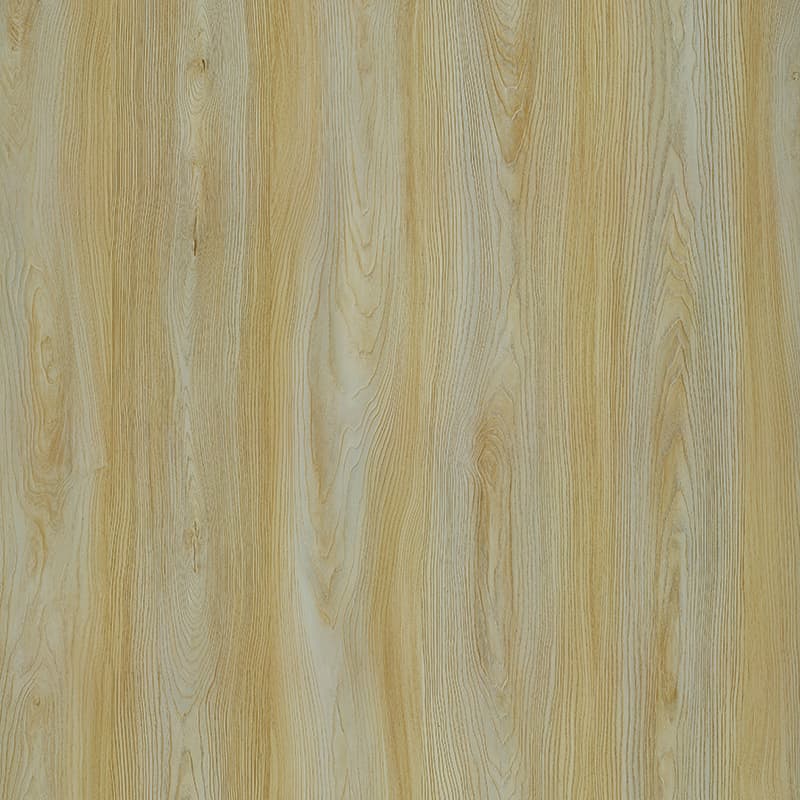

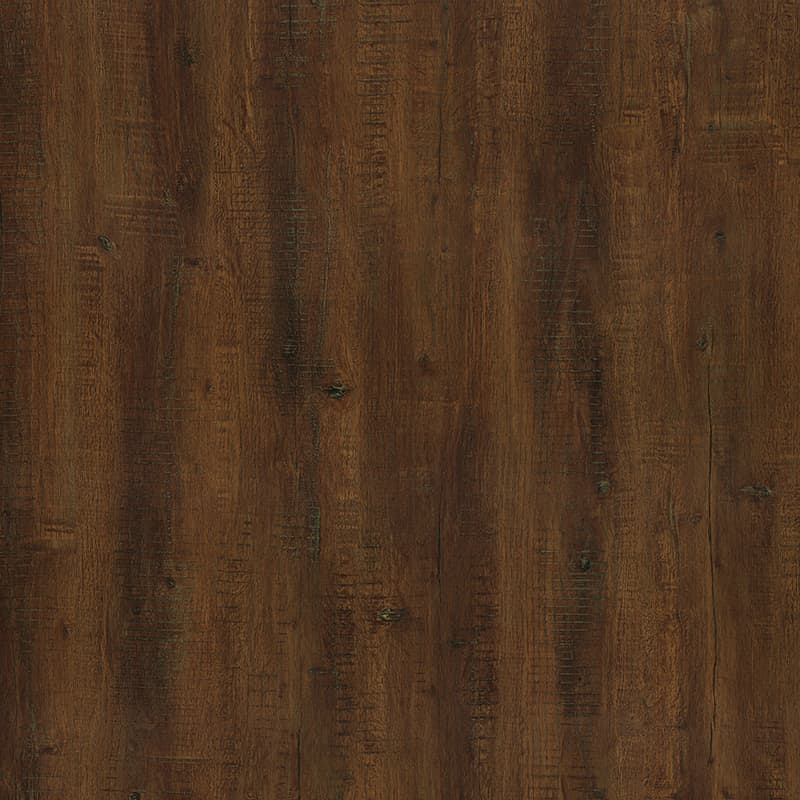
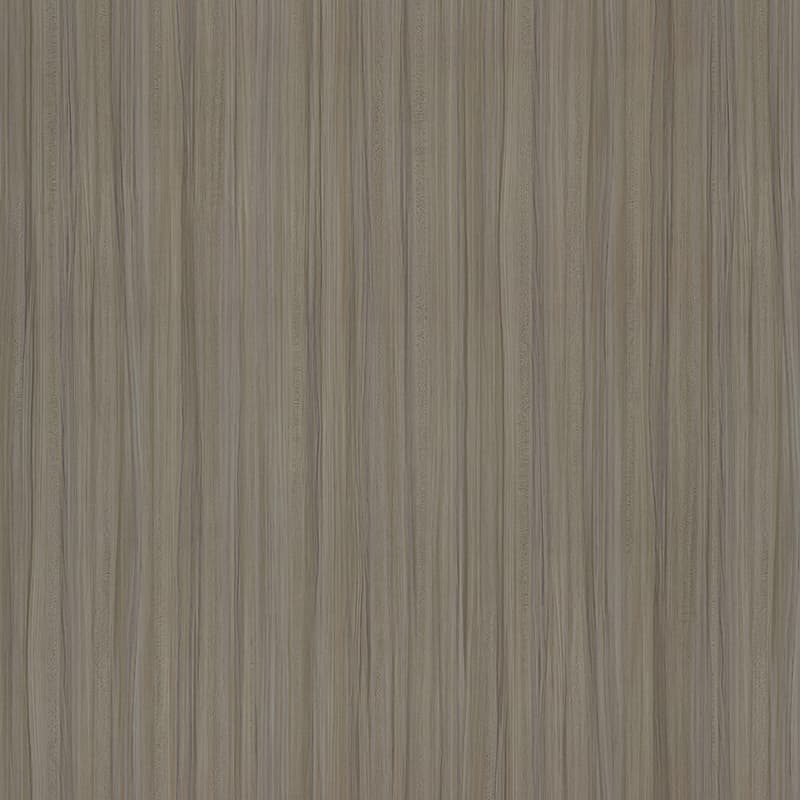
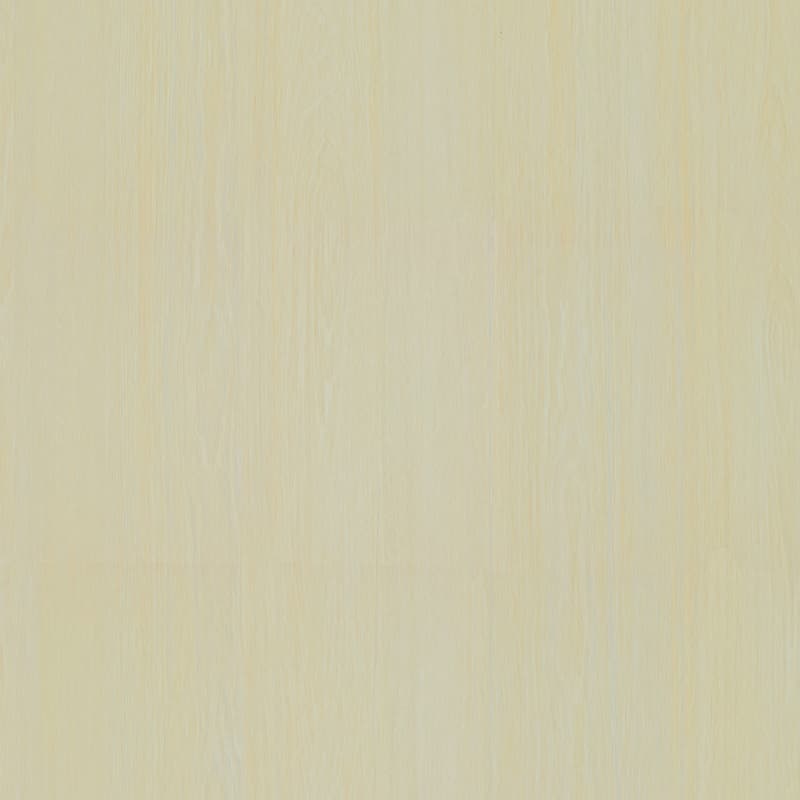
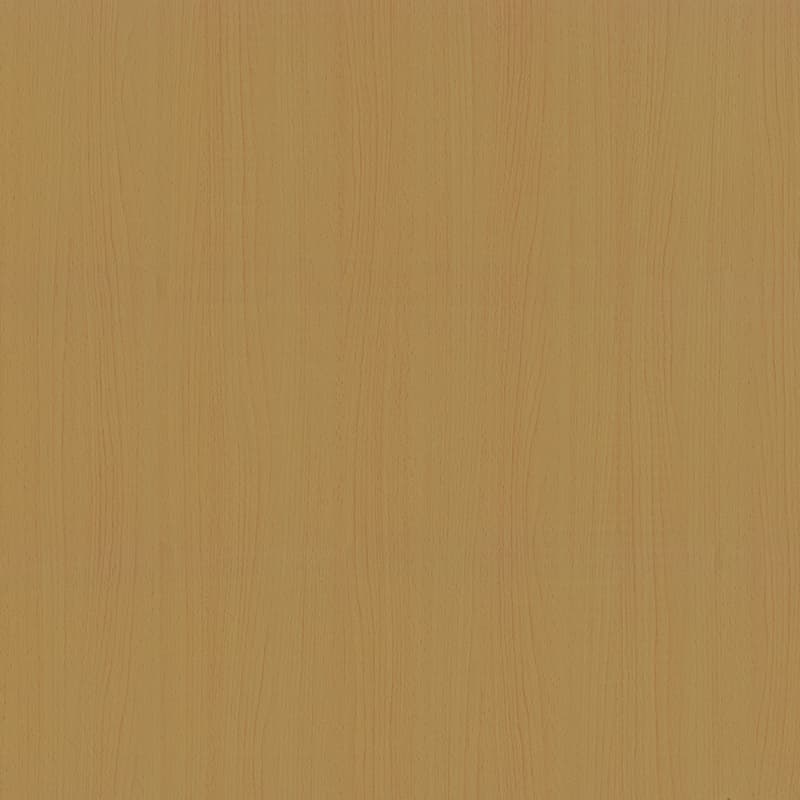

To make the life more colorful
PVC Woven Grain Decorative Film Delivers Authentic Texture with Superior Durability
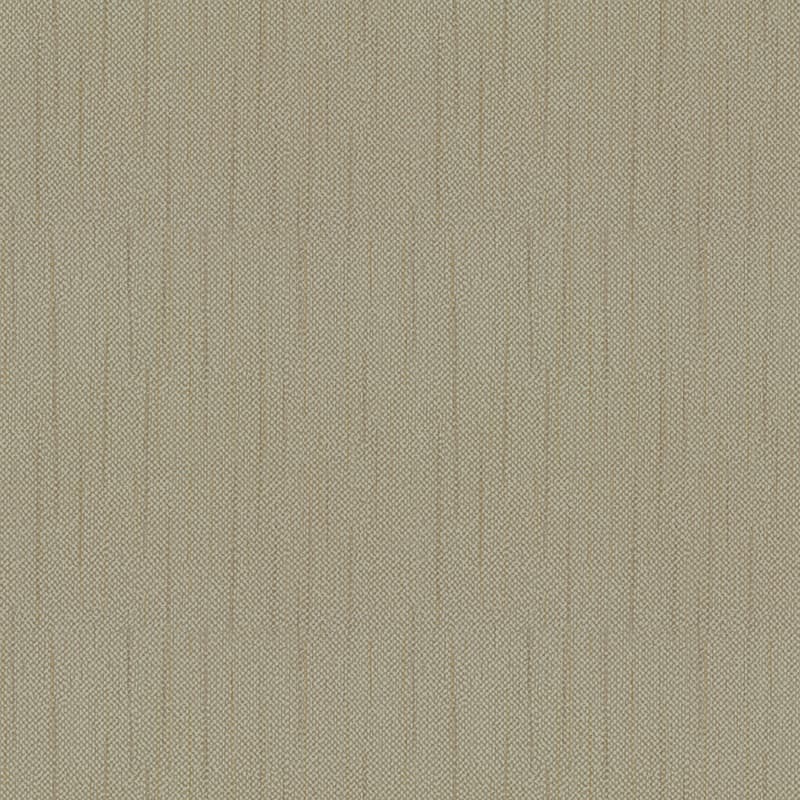
The surface, at first glance, resembles natural linen or coarse fabric. However, it is not woven cloth but a high-performance PVC decorative film. This material solves a critical design conflict: achieving the warm, tactile grain of textiles without sacrificing cleanability, moisture resistance, or lifespan. For high-traffic commercial spaces, healthcare environments, or even residential feature walls, PVC woven grain decorative film offers a surface that withstands over 200,000 abrasion cycles (Taber test) while maintaining its visual depth—far exceeding the durability of real fabric or standard vinyl wraps.
How the Woven Grain Structure Enhances Practical Performance
The embossed texture is not merely decorative. The micro-grooves and peaks of the woven pattern provide functional advantages: they reduce visible fingerprints, scatter light to minimize glare, and create air gaps that resist direct heat transfer. In a controlled test comparing smooth PVC film to woven grain film, the textured version showed a 32% lower visible scratch rate over 12 months of daily contact cleaning.
- Self-healing properties under mild heat (e.g., sunlight or warm water) reduce micro-scratch visibility.
- The 3D grain structure masks substrate imperfections better than flat films, ideal for retrofitting old panels.
- Typical application on MDF or metal yields a fire rating of Class B-s1, d0 (EN 13501-1) when using properly formulated PVC.
For furniture manufacturers and interior fit-out professionals, this translates to fewer customer complaints about peeling, yellowing, or dulling—common issues with smooth low-gloss films.
Key Technical Specifications You Must Verify Before Purchasing
Not all woven grain PVC films are equal. The following three parameters directly impact real-world performance. Always request a technical datasheet from the supplier before ordering large quantities.
| Parameter | Minimum Required Value | Testing Standard |
|---|---|---|
| Thickness (film only) | 0.16mm – 0.22mm | ISO 4593 |
| Tensile Strength (MD) | ≥ 45 N/15mm | ASTM D882 |
| Color Fastness (Class) | ≥ 4 (Blue Wool scale) | ISO 105-B02 |
Films below 0.14mm often lose the woven grain depth after vacuum forming over sharp edges. Moreover, UV stabilizers are mandatory if the film is used in areas with direct sunlight exposure; otherwise, discoloration can appear within 6–8 months.
Step-by-Step Application Guide for Consistent Results
To avoid bubbles, edge lifting, or grain collapse, follow this proven workflow, tested on over 500 linear meters of paneling in commercial projects.
- Substrate preparation – Sand wooden surfaces to 180–220 grit. For metal, remove all oil residue. Surface flatness tolerance: ≤ 0.5mm per meter.
- Primer application – Use a water-based adhesion promoter. Drying time: 20–30 minutes at 20°C ambient.
- Film activation – Heat the adhesive side using a heat gun (150–170°C nozzle temperature) until the glue becomes tacky but not fluid. Overheating above 190°C can flatten the woven grain texture permanently.
- Lamination – Apply with a rubber roller (50–60 Shore A hardness) from center outward. Pressure: 3–4 kg per linear cm of roller width.
- Post-heating & trimming – Reheat edges at 120°C to relax tension, then trim with a sharp blade. Cooling time before handling: 15 minutes.
In field tests, this method yielded a first-time success rate of 94.3% for panels up to 2.4m in length, compared to only 72% when skipping the primer or using incorrect heating.
Comparing PVC Woven Grain to Alternative Decorative Surfaces
Designers often hesitate between real fabric laminate, melamine, and PVC woven grain film. The table below shows direct comparisons based on independent third-party lab results and field service records.
| Property | PVC Woven Grain | Real Fabric Laminate | Melamine Panel |
|---|---|---|---|
| Abrasion resistance (cycles) | >200,000 | 15,000 – 30,000 | 500 – 4,000 |
| Moisture resistance (24h soak) | < 0.1% absorption | 12% – 18% absorption | 0.3% – 0.8% absorption |
| Chemical resistance (10% bleach) | No change after 100 wipes | Color fading & fiber damage | Surface dulling likely |
The data shows that while melamine offers decent moisture resistance, it lacks the soft tactile feel of woven grain. Real fabric fails in high-touch wet areas. Therefore, for kitchen cabinets, medical cabinetry, and retail displays, PVC woven grain film provides the optimal balance of aesthetics and resilience.
Long-Term Care and Cleaning to Preserve the Woven Texture
Unlike bare PVC, the woven grain requires different cleaning habits. Abrasive powders or stiff brushes can polish down the micro-peaks, reducing the three-dimensional effect. A two-year maintenance study on 40 installed panels revealed that using only a soft microfiber cloth and mild soap solution (pH 6–8) kept the grain depth at 98% of original measurement, whereas panels cleaned with generic all-purpose spray containing solvents lost up to 15% of texture definition.
- Daily: Wipe with a damp microfiber cloth and water only.
- Weekly: Use diluted dish soap (1 teaspoon per liter of water). Rinse with clean water.
- Avoid: Citrus-based degreasers, bleach sprays, or scrub sponges with melamine foam.
When the film is properly maintained, the stated warranty life of 7 to 10 years for vertical applications (wardrobes, wall panels) and 5 to 7 years for horizontal surfaces (desktops, countertops) is realistically achievable.

