
 English
 русский

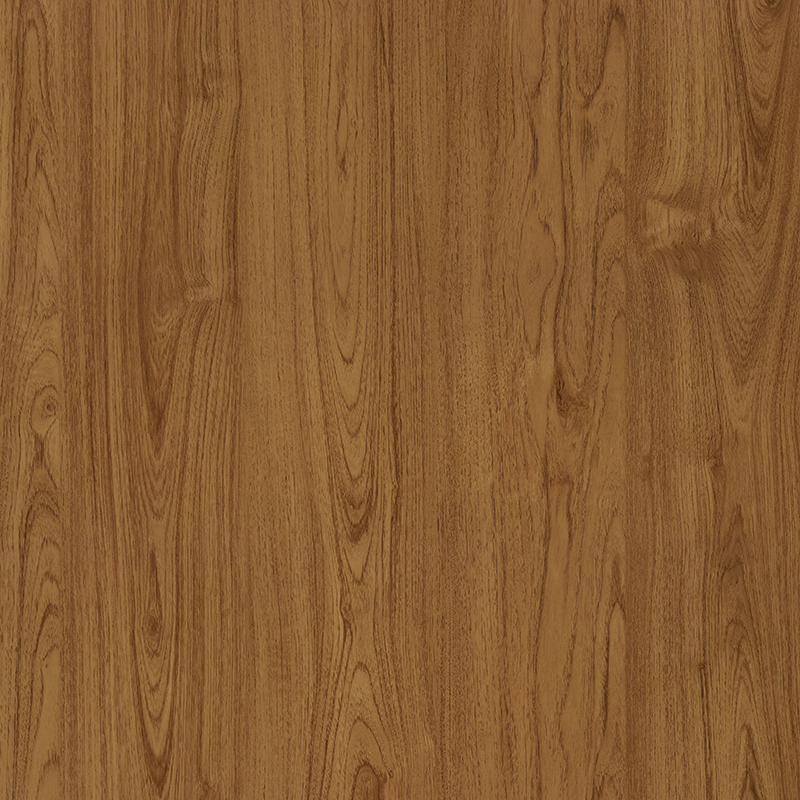
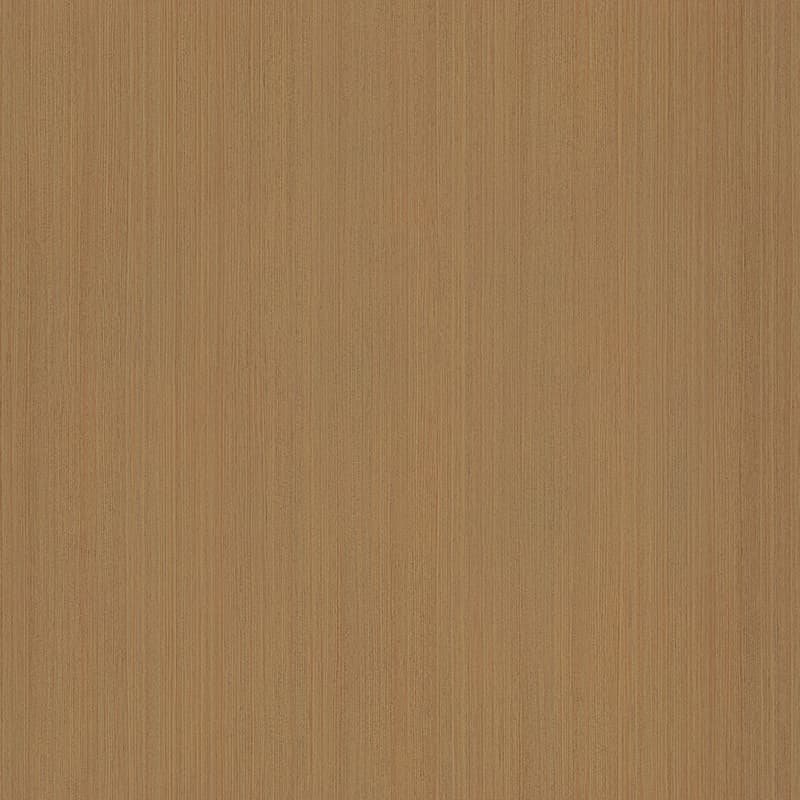
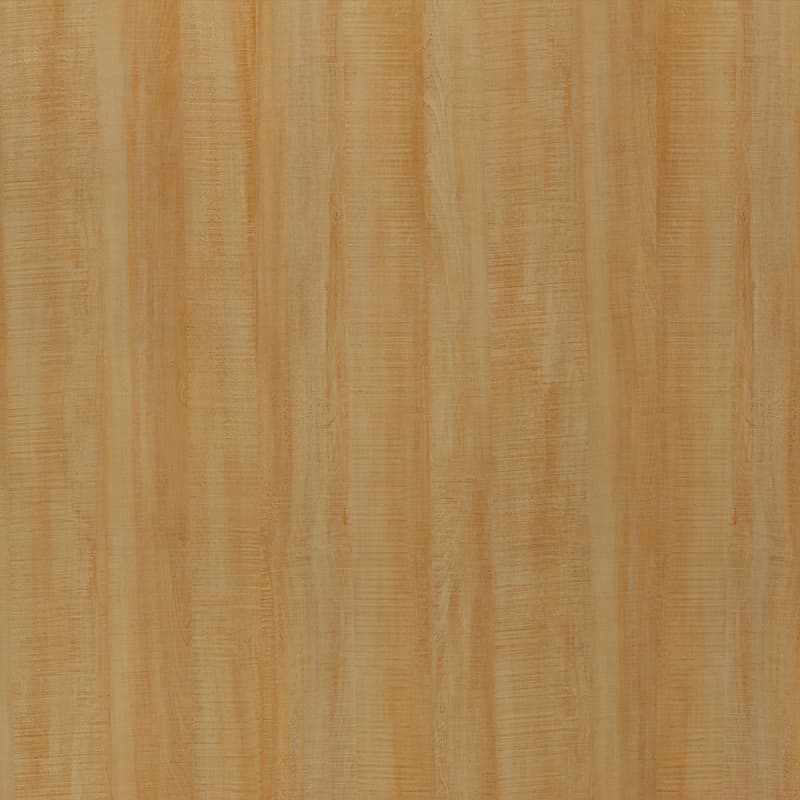
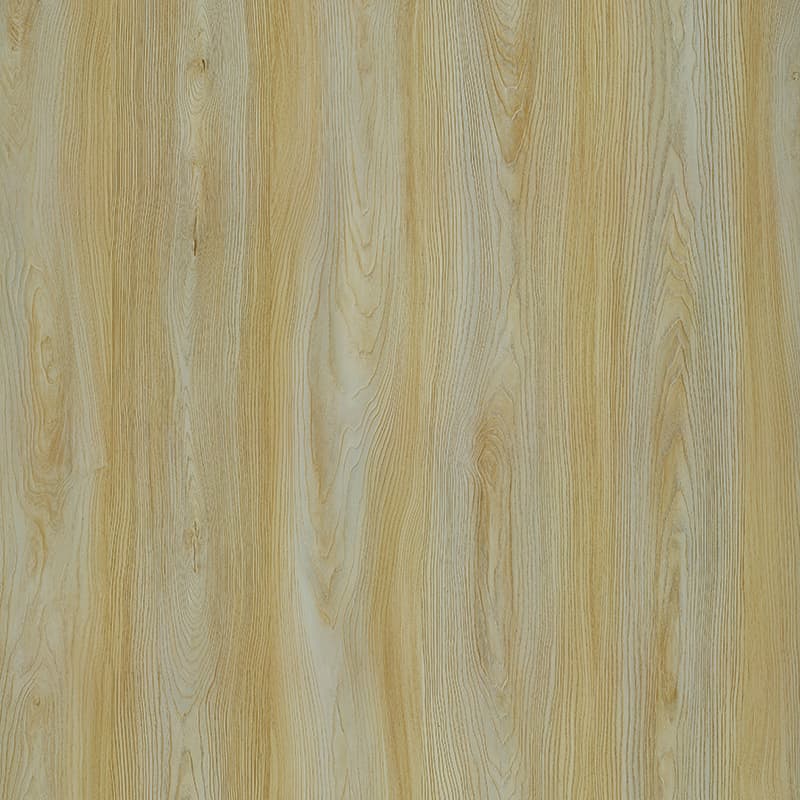

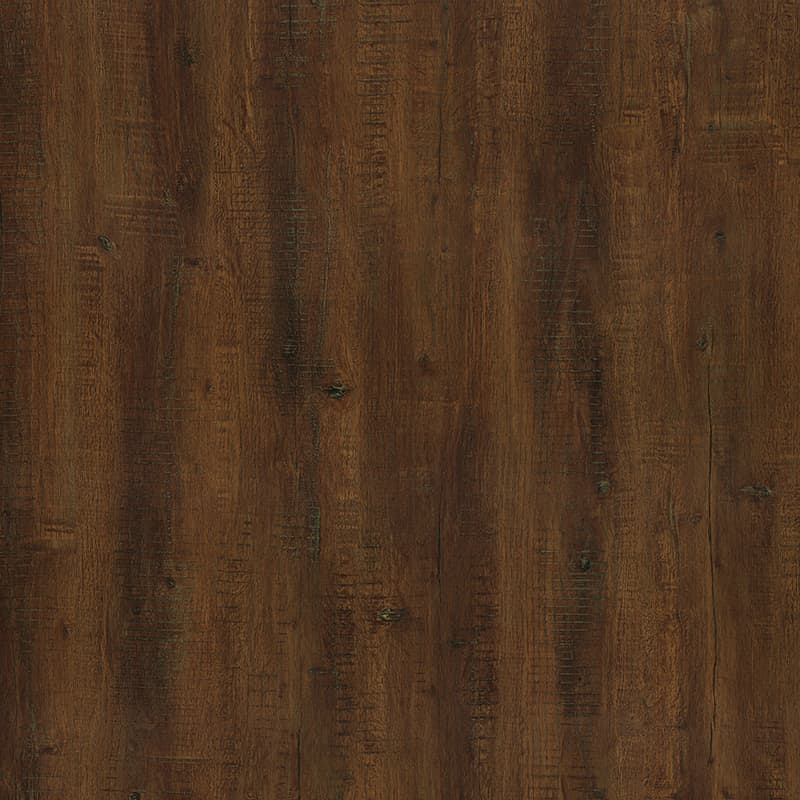
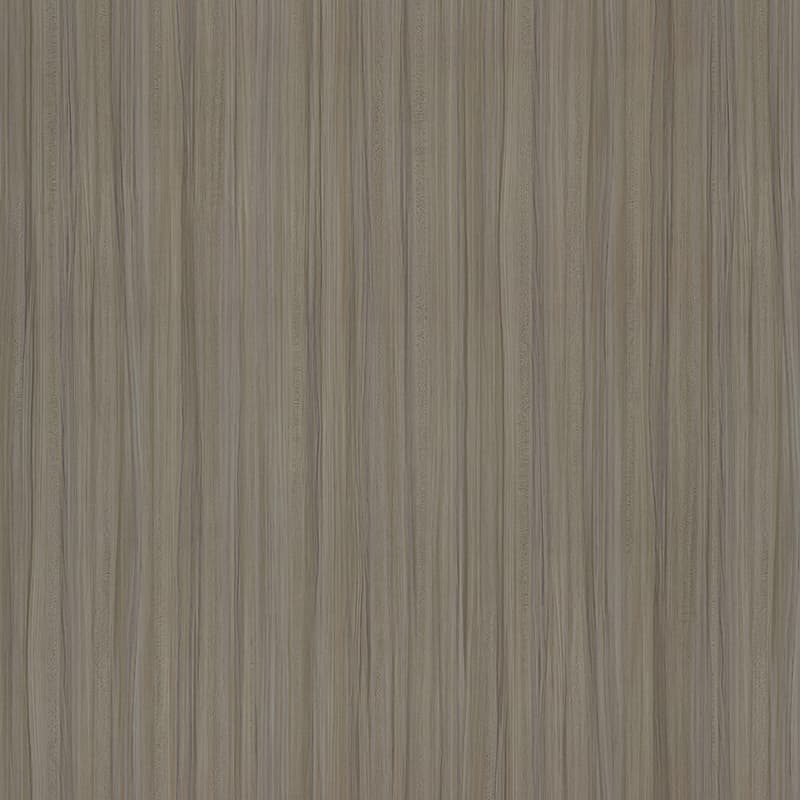
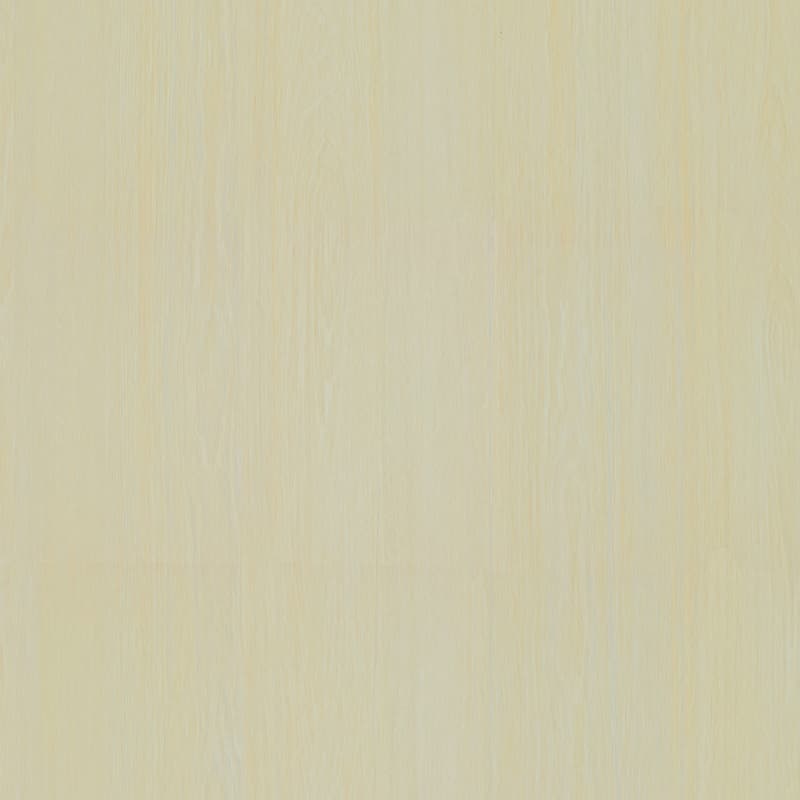
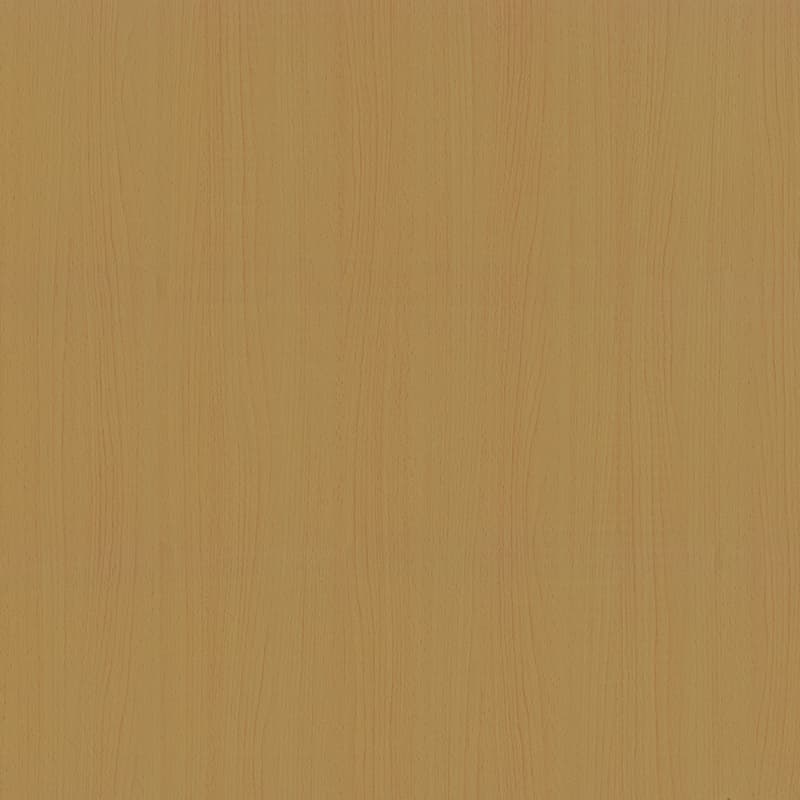

To make the life more colorful
Profile wrapping is one of the most demanding application methods in the surface film industry — the film must stretch around edges, bond under tension, and hold its finish for years. PVC decorative film for wrapping is engineered specifically for this process, combining flexibility, grain fidelity, and adhesive performance that general lamination films simply cannot match.
The global decorative film market is forecast to expand at a 5.2% CAGR through 2035, with wrapping and vacuum-press applications driving a significant share of that growth. If you're sourcing for furniture manufacturing or architectural profiling, understanding what separates a high-performance wrapping film from a basic lamination film is the first step toward better outcomes.
What Makes a Film Suitable for Wrapping
Wrapping — also called profile wrapping — involves feeding the film through a wrapping machine that folds and presses the material continuously around linear profiles such as window frames, door frames, skirting boards, and cabinet edge strips. The mechanical stress is constant, which means the film needs specific physical properties that differ from flat lamination.
Three properties determine whether a PVC film performs in wrapping:
- Elongation rate. A wrapping-grade PVC film typically achieves 150–250% elongation without cracking or whitening. Films intended for flat pressing will fracture or lose color accuracy when bent sharply around corners.
- Thickness range. For wrapping applications, 0.15–0.30 mm is the standard working range. Thicker films resist tearing on tight radii; thinner ones conform to fine detail profiles.
- Adhesive system. Pressure-sensitive adhesive (PSA) or hot-melt adhesive must remain consistent from the first meter of roll to the last, particularly in high-speed wrapping operations where tension fluctuates.
Films that pass these three requirements will also tend to perform better on surface detail — embossed wood grains and woven textures retain their depth through the wrapping arc rather than flattening under pressure.
Primary Applications in Furniture and Construction
PVC wrapping film is used across a wider surface category than many buyers initially realize. The most common substrates include MDF profiles, PVC profiles, aluminum extrusions, and WPC sections — all of which appear in furniture, doors, windows, and architectural detailing.
In furniture manufacturing, the highest volume use cases are:
- Cabinet door frames and edge profiles, where the film must navigate inner and outer radii cleanly while delivering a furniture-grade finish.
- Wardrobe and closet frame members, which typically require wood grain or solid color wrapping to match laminated panel faces.
- Kitchen cabinet legs and plinths, which face frequent exposure to moisture, cleaning chemicals, and mechanical contact.
In architectural and construction contexts, PVC decorative film applied to window sills and profiles must meet outdoor-adjacent performance demands: UV stability, dimensional stability across temperature swings, and resistance to condensation cycles.
Design Options: Grains, Textures, and Finishes
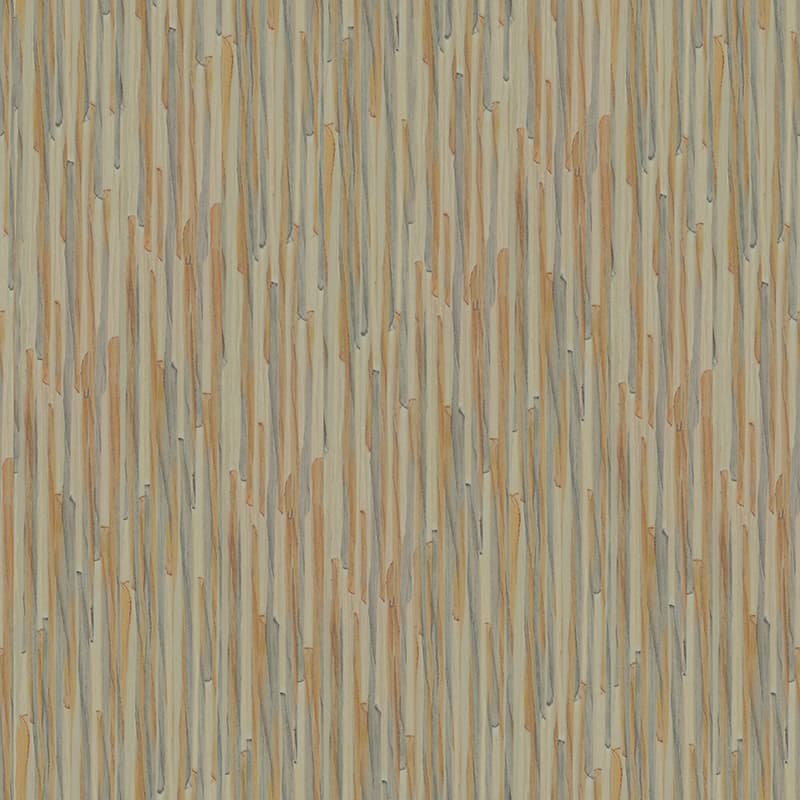
One of the most commercially important advantages of PVC wrapping film is pattern versatility. Modern printing and embossing technology allows a single production line to output dozens of designs without tooling changes, making it practical to offer a broad catalog without high stock overhead.
The main design categories available in wrapping-grade film include:
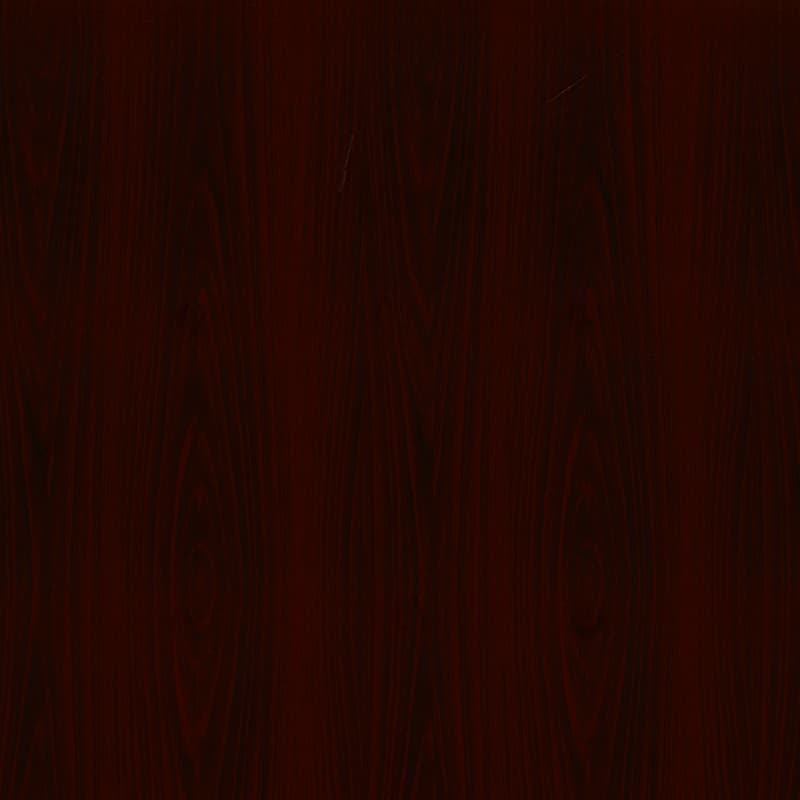
- Wood grain series — the highest-demand category globally, covering everything from light oak and ash to deep walnut and ebony. Realistic texture depth is achieved through registered embossing that aligns the tactile surface with the printed pattern. Explore the range of wood grain PVC films for furniture and profiles.
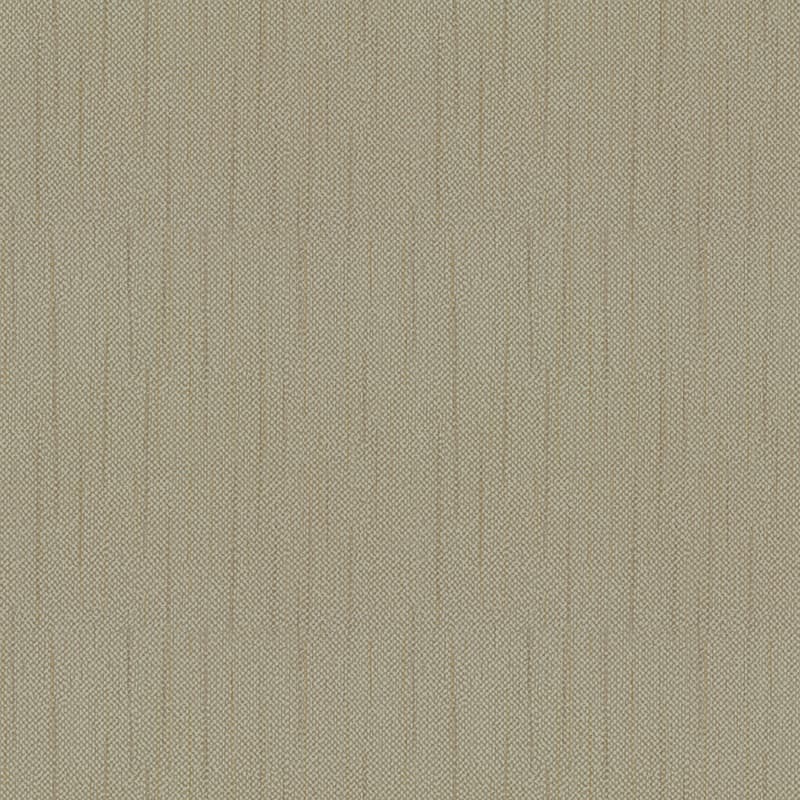
- Woven and textile grain series — increasingly specified in contemporary residential and hospitality interiors for their tactile warmth and visual complexity. Woven grain decorative films suit cabinet doors, panel accents, and feature profiles where a fabric-like surface is preferred over a wood simulation.
- Marble grain series — used in kitchen and bathroom environments where a stone aesthetic is required at a fraction of the material and installation cost of real stone cladding. See the marble grain PVC film collection.
- Solid and functional series — anti-scratch coated films, soft-touch matte finishes, and high-gloss acrylic-effect films for applications where surface feel or maintenance resistance takes priority over pattern.
Key Selection Criteria for Procurement
Buyers sourcing wrapping film for the first time — or switching suppliers — often focus on price per meter as the primary variable. That's a costly simplification. The real evaluation should cover four dimensions:
- Color consistency batch-to-batch. For cabinet manufacturers producing runs of hundreds of doors, color drift between film rolls creates expensive rework and customer complaints. Ask for delta-E data across production batches.
- Gloss retention under wrapping stress. High-gloss films are particularly prone to micro-scratching during machine contact. Confirm that gloss values (measured at 60°) are maintained post-wrapping, not just pre-wrap.
- Chemical and moisture resistance. Kitchen and bathroom profiles require a film that resists steam, cleaning agents, and grease. Functional PVC films with oil-resistant additives or anti-scratch top coatings address this directly.
- Certifications and compliance. For export markets, SGS testing results, ISO certification, and REACH compliance documentation are typically required at customs or by end-customer quality teams. Verify that your supplier can provide these before finalizing an order.
For production-scale purchases, MOQ and lead time matter as much as specification. Standard wrapping film orders typically require a minimum of 2,000–3,000 meters per color, with production lead times of 2–3 weeks for standard designs and 3–5 weeks for custom color matching.
Comparing Wrapping to Lamination and Vacuum Press
PVC decorative film is processed in three main ways — wrapping, cold lamination, and vacuum pressing — and not every film works equally well across all three. Understanding the differences helps manufacturers avoid specification errors that lead to adhesion failures or surface defects.
| Method | Best For | Film Requirement |
|---|---|---|
| Wrapping | Linear profiles, edge strips, frame members | High elongation, consistent adhesive, roll format |
| Cold Lamination | Flat panels: MDF, steel, aluminum sheets | Flat lay, PSA or water-based adhesive |
| Vacuum Press | 3D routed boards, curved door faces | High heat formability, membrane-grade thickness |
A film specified for vacuum pressing will typically have a higher heat activation threshold and lower initial tack — properties that allow it to conform under heat and pressure in the press, but which make it unsuitable for cold wrapping operations where the adhesive must bond at ambient temperature and speed.
Sustainability Considerations
Environmental compliance is an increasing factor in PVC film procurement, particularly for manufacturers exporting to European markets. The key checkpoints are low VOC emissions during application, absence of restricted phthalate plasticizers (per REACH Annex XVII), and recyclability declarations for end-of-life disposal planning.
Nearly 58% of modular furniture manufacturers now use PVC decorative films for surface lamination, and demand for compliance documentation is rising proportionally. Buyers sourcing for sustainability-conscious supply chains should request third-party test reports rather than relying on supplier self-declarations alone.
For a broader overview of how PVC decorative films perform across different interior applications, the complete guide to PVC decorative film types and installation methods covers material properties, substrate compatibility, and installation best practices in detail.
Getting the Right Film for Your Operation
Profile wrapping demands a film that is engineered for the process — not adapted from it. The combination of mechanical flexibility, accurate pattern registration, and reliable adhesive performance determines whether a wrapping operation runs smoothly or generates waste and surface defects that erode margin.
For manufacturers and procurement teams evaluating wrapping film options, requesting a physical sample across your target designs and testing it under your machine conditions — speed, roller pressure, ambient temperature — remains the most reliable qualification step before committing to a production order. A supplier confident in their product quality will accommodate that step without hesitation.
Browse the full PVC decorative film product range to explore wrapping-compatible designs across wood grain, marble, woven, and specialty finish categories.

