
 English
 русский





To make the life more colorful
PVC decorative film has long served as a cost-effective and visually versatile surface finishing material — but the industry is now entering a new phase of transformation. Driven by tightening environmental regulations, rising consumer expectations for personalization, and the rapid advancement of smart materials technology, the next generation of PVC decorative film will look and perform very differently from what the market has known for decades. Three forces are reshaping its future: sustainability, deep customization, and smart integration.
Sustainability: The Industry's Most Urgent Pivot
Environmental accountability is no longer optional for PVC decorative film manufacturers. Regulatory pressure from the EU, North America, and increasingly from Asia-Pacific markets is pushing producers toward cleaner formulations, lower-emission production processes, and end-of-life recyclability — all at once.
The most visible shift is the move toward phthalate-free and low-VOC formulations. Traditional PVC plasticizers have long been a concern for indoor air quality, but newer compound technologies have made it possible to achieve the same flexibility and durability without relying on harmful additives. Manufacturers who adopt these formulations gain access to environmentally certified product categories and the growing base of commercial specifiers who require compliance with standards like ISO 14001.
Beyond chemistry, the material lifecycle is also changing. Industry data shows recycled PVC use in film products has grown approximately 15% as circular-economy mandates take hold. Thinner film profiles — achieved through improved extrusion and calendering precision — reduce both raw material consumption and shipping emissions without compromising surface performance.
From an application standpoint, this sustainability trajectory is also economic. PVC decorative film already costs 50–80% less in materials compared to natural wood, and its low-maintenance surface reduces total lifecycle costs further. As bio-based PVC alternatives enter commercial production and recycling infrastructure matures, the environmental case for decorative film — versus resource-intensive solid surfaces — will only strengthen.
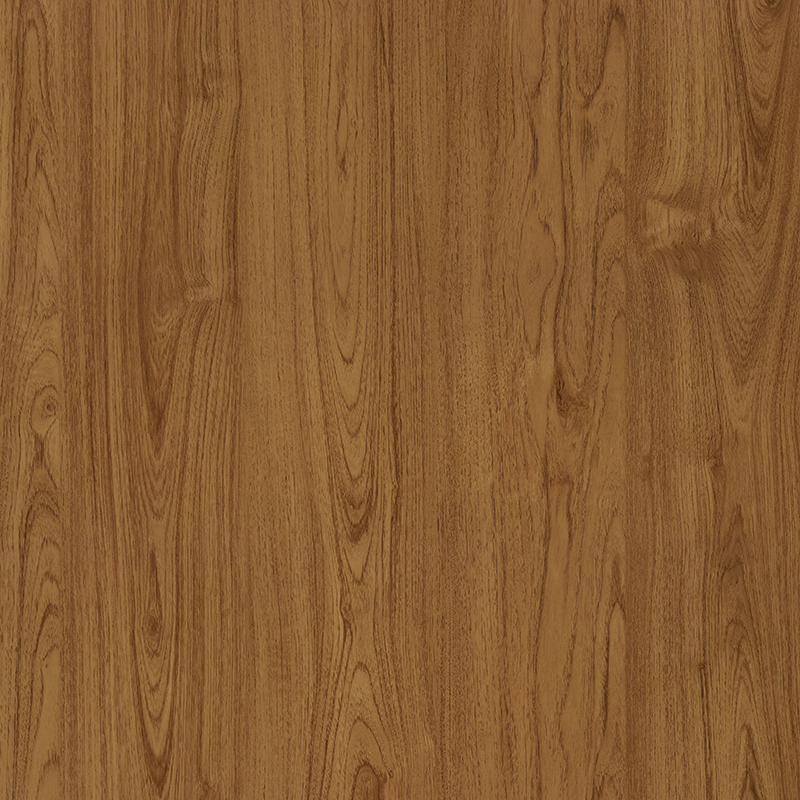
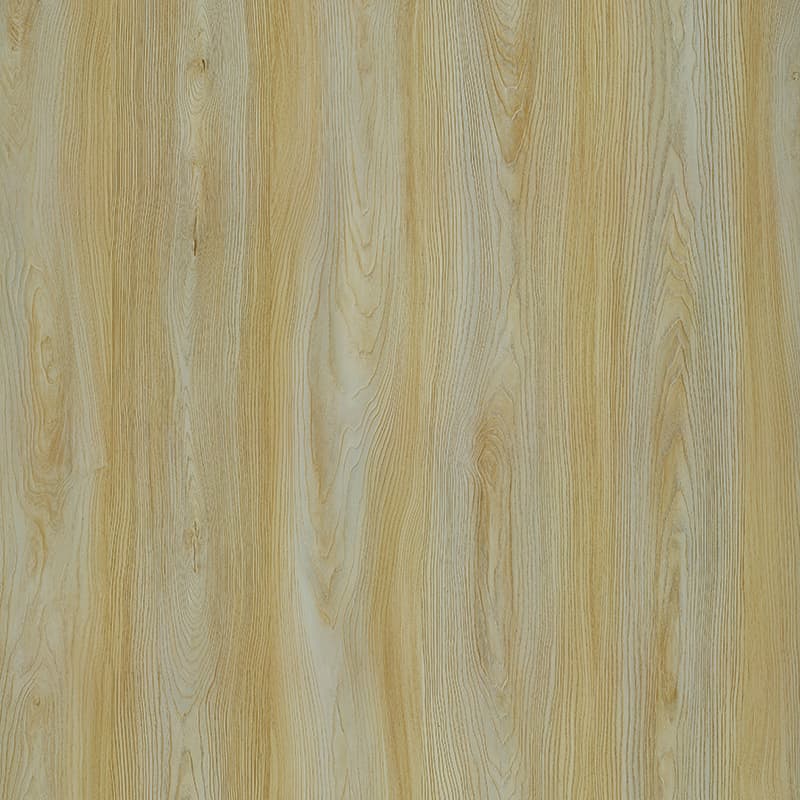
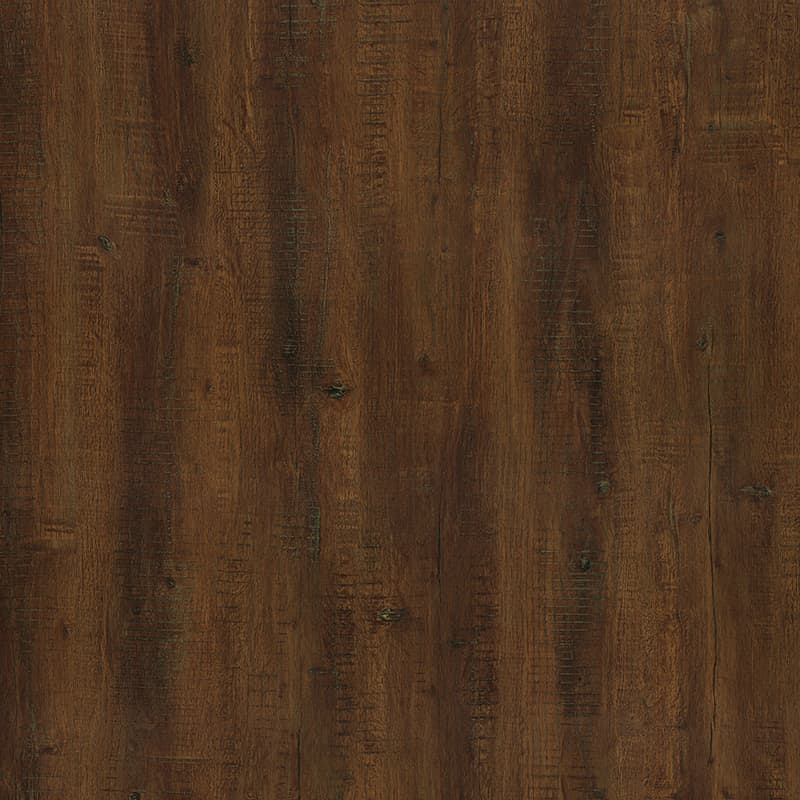
For products like PVC wood grain decorative film and marble grain decorative film, sustainability is becoming a core specification attribute, not just a marketing narrative.
Customization: From Standard Catalogs to Digital-First Design
The decorative film market has historically competed on catalog depth — the number of patterns, colors, and textures a manufacturer could offer from stock. That competitive model is giving way to something fundamentally different: on-demand, digitally driven customization at scale.
High-definition digital printing now enables fully bespoke pattern generation, including the ability to replicate a specific piece of wood — its exact grain direction, knot placement, and tonal variation — directly from a photograph. This capability is redefining what "customization" means in the surface finishing industry. Designers and architects are no longer limited to selecting from a fixed range; they can specify a surface to match a mood board, an existing material, or a brand identity with precision that was not commercially viable even five years ago.
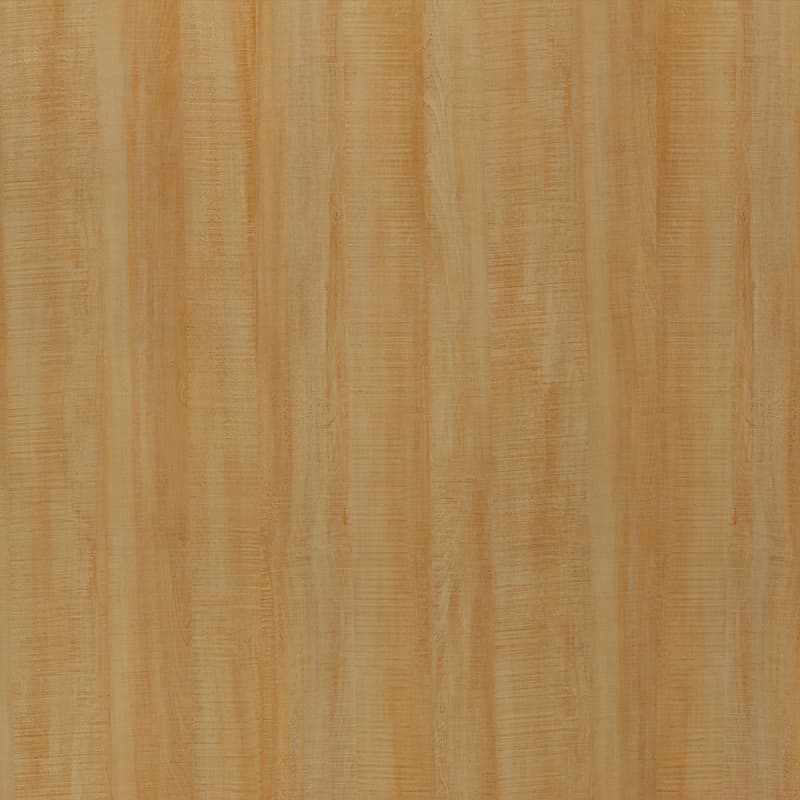
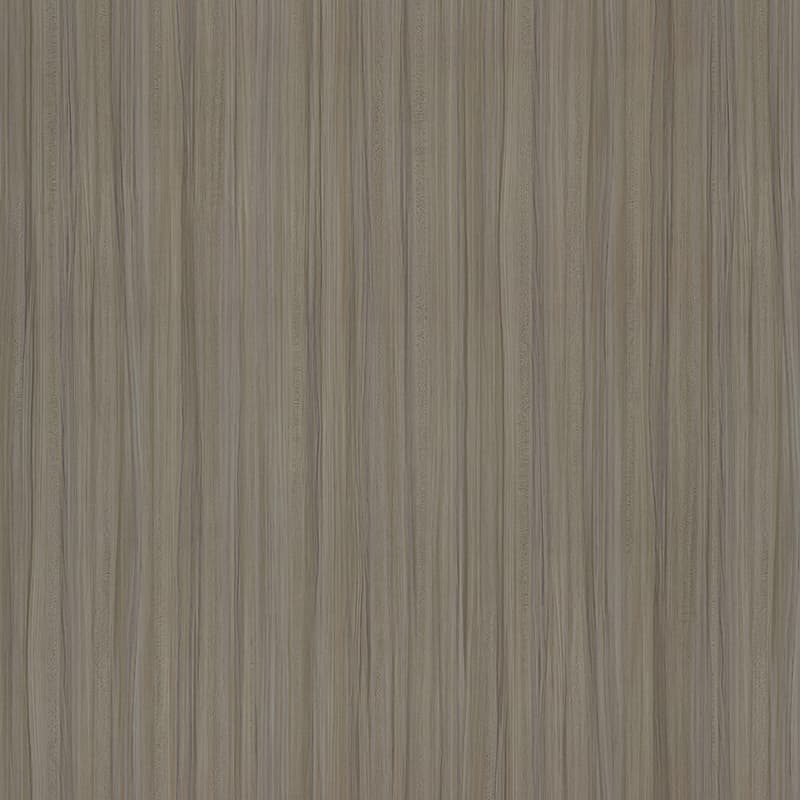
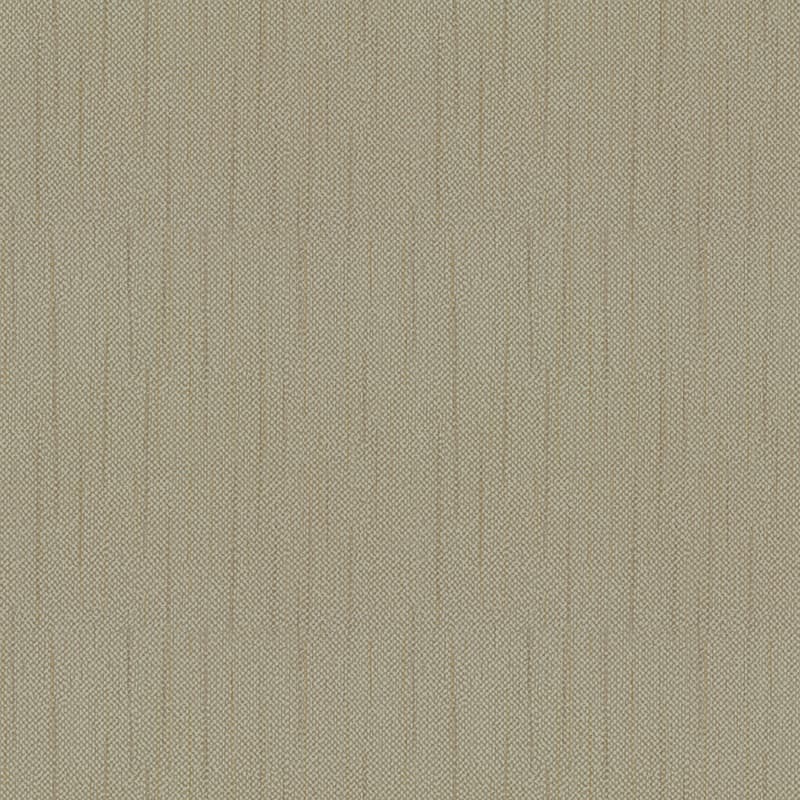
The implications are significant for downstream markets. Furniture manufacturers, kitchen cabinet producers, and interior fit-out contractors can now differentiate their finished products in ways that are difficult for competitors to replicate quickly. PVC woven grain decorative film, for example, is increasingly specified in custom colorways for hospitality projects where the surface material is part of the brand environment rather than a commodity finish.
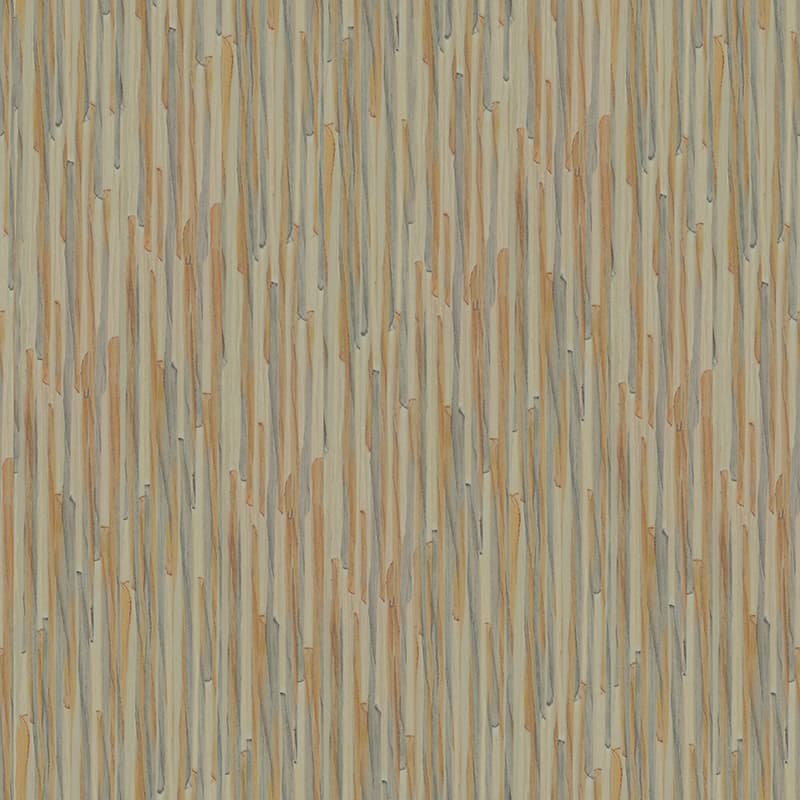
Embossing technology has advanced in parallel. Near-tactile realism is now achievable through multi-depth embossing that captures the micro-texture of natural materials — wood pores, stone veining, fabric weave — with a consistency that hand-applied or natural materials cannot match. Combined with soft-touch and anti-fingerprint topcoat options, the result is a surface that is both visually and physically convincing.
| Property | PVC Decorative Film | Natural Wood | Laminate | Veneer |
|---|---|---|---|---|
| Thickness | 0.1mm – 0.5mm | 15mm – 40mm | 6mm – 12mm | 0.6mm – 1.5mm |
| Cost per sq. ft. | $1.50 – $5.00 | $8.00 – $25.00 | $2.50 – $10.00 | $4.00 – $15.00 |
| Moisture Resistance | Excellent | Poor to Fair | Good | Fair |
| Design Flexibility | Extensive / Customizable | Limited | Moderate | Moderate |
| Installation Difficulty | Low to Medium | High | Medium to High | High |
Catalog breadth still matters — manufacturers with extensive roller and pattern libraries retain a significant advantage in rapid sampling and short lead times. But the direction of competition is clearly toward personalization capability, not just selection volume.
Smart Integration: When Decorative Film Becomes Functional
Perhaps the most consequential long-term shift in PVC decorative film is the convergence of surface aesthetics with embedded functionality. What was once purely a visual and protective material is beginning to incorporate technologies that give surfaces an active role in the environments they inhabit.
The earliest commercially viable expressions of this are thermochromic and electrochromic films — surfaces that respond to temperature or electrical stimulus by changing appearance. In commercial interiors and hospitality applications, this creates the possibility of surfaces that adapt to lighting conditions, signal ambient temperature changes, or transition between opaque and translucent states without additional hardware.
Antimicrobial surface properties represent another functional layer gaining traction, particularly following heightened hygiene awareness in healthcare, food service, and public transit environments. PVC films can now be formulated or coated with compounds that actively inhibit microbial growth — adding measurable performance value beyond appearance.
Looking further ahead, the integration of NFC chips, printed electronics, and QR-based traceability markers directly into decorative film substrates opens a genuinely new category of smart surface. A furniture panel wrapped in wood grain PVC film could carry embedded product authentication data, care instructions, or even AR-linked design visualizations — all without altering its surface appearance.
These developments are not speculative edge cases. The broader plastics and packaging sector is already embedding smart technologies into film substrates at scale. The decorative film segment — with its precision manufacturing infrastructure and established coating chemistry — is well positioned to adopt and commercialize these capabilities as the cost of embedded components continues to fall.
Manufacturing Readiness: The Foundation for What Comes Next
The trends described above — sustainability, customization, and smart integration — each place new demands on manufacturing capability. Not every producer is equally positioned to respond.
Manufacturers with high-capacity, multi-line production infrastructure can absorb the cost of formulation R&D, precision embossing tooling, and digital printing system upgrades while maintaining competitive lead times and pricing. Facilities running both dedicated printing and laminating lines in parallel can serve a broader range of specification requirements — from high-volume standard patterns to short-run custom orders — without production scheduling conflicts.
Quality consistency across large production volumes is a non-negotiable requirement as decorative film moves into more performance-critical applications. The ability to maintain tight color delta, emboss registration accuracy, and topcoat uniformity across production runs is what separates commodity suppliers from those capable of serving premium commercial and architectural markets.
As end-use applications continue to diversify — from CRH train interiors and public venues to residential furniture and integrated ceilings — the production systems and material science competencies built today will determine which manufacturers lead the next decade of the decorative film industry.
Conclusion
The future of PVC decorative film is being written at the intersection of three converging forces. Sustainability is driving material innovation and regulatory compliance into the core of product development. Customization — enabled by digital printing and advanced embossing — is shifting the value proposition from catalog selection to bespoke specification. And smart integration is beginning to transform decorative surfaces from passive finishes into active, data-connected components of the built environment.
For buyers, specifiers, and manufacturers, understanding these directions is not a matter of following trends — it is the basis for making durable decisions about materials, suppliers, and production investment in a market that is changing faster than at any point in its history.

