
 English
 русский

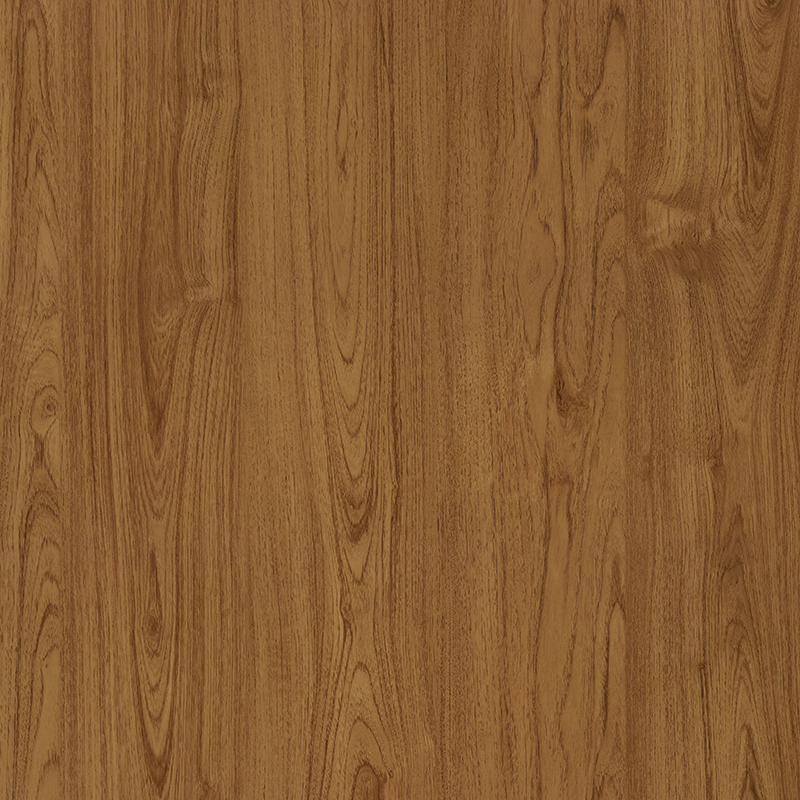
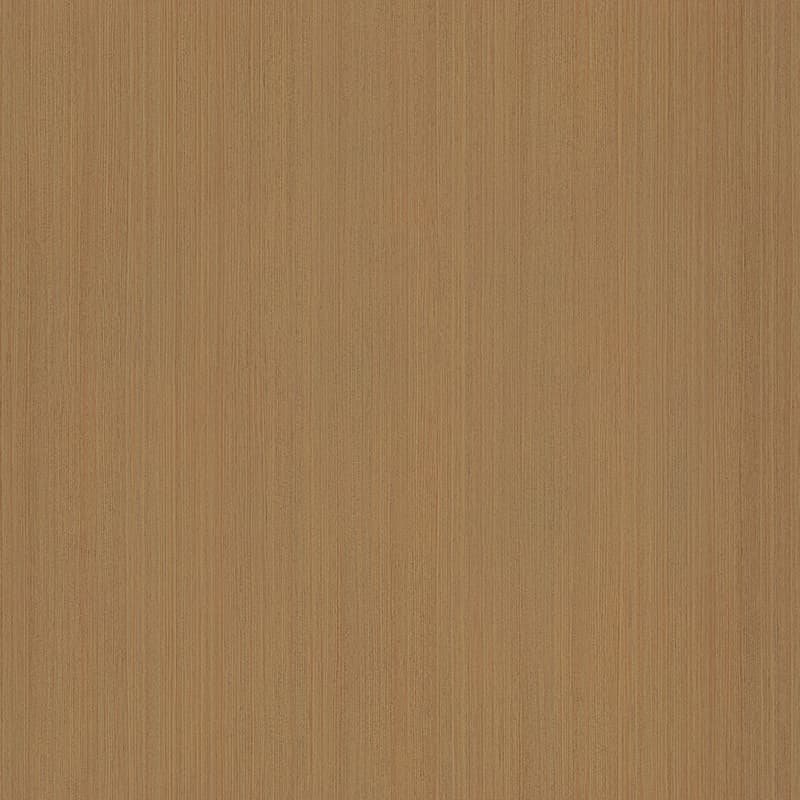
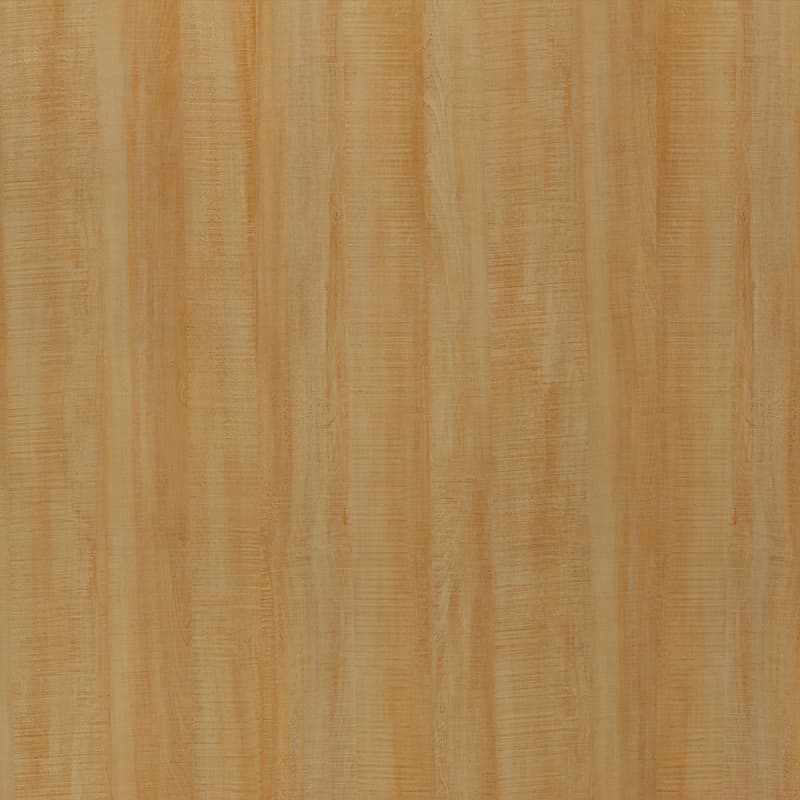
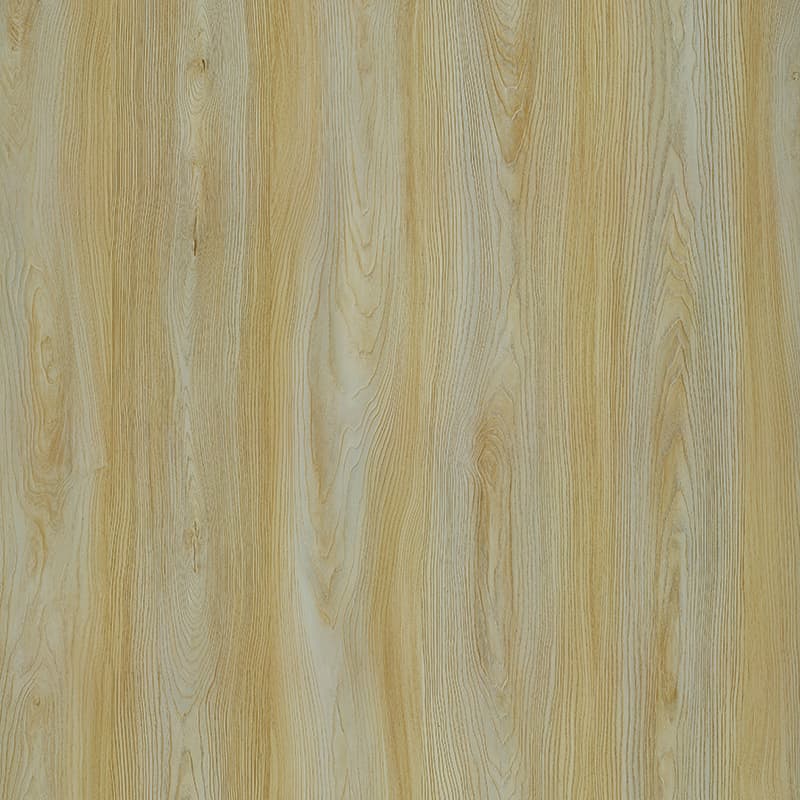

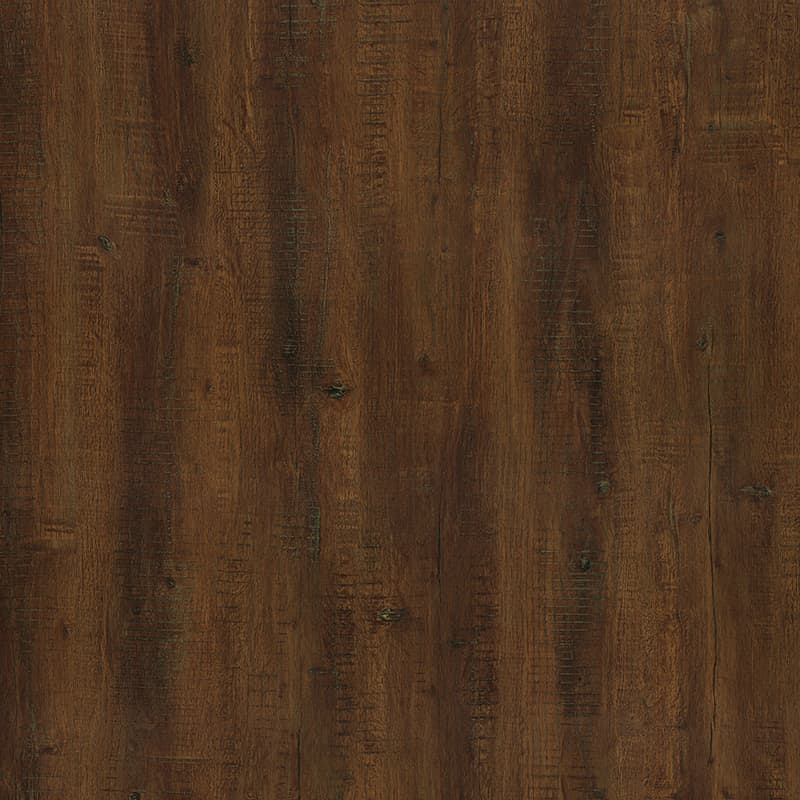
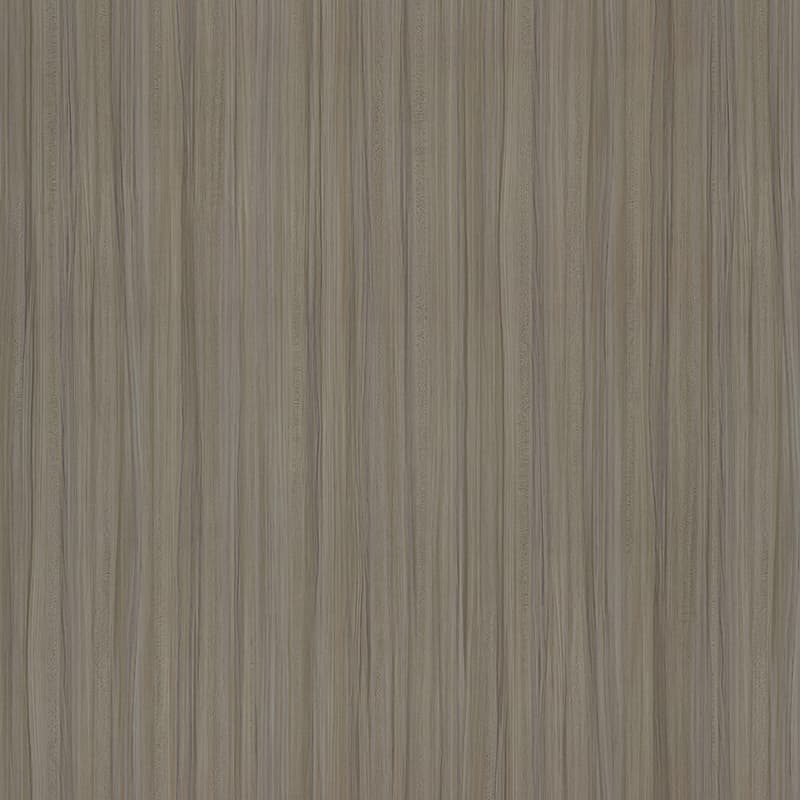

To make the life more colorful
Understanding the Structure of PVC Woven Grain Decorative Film
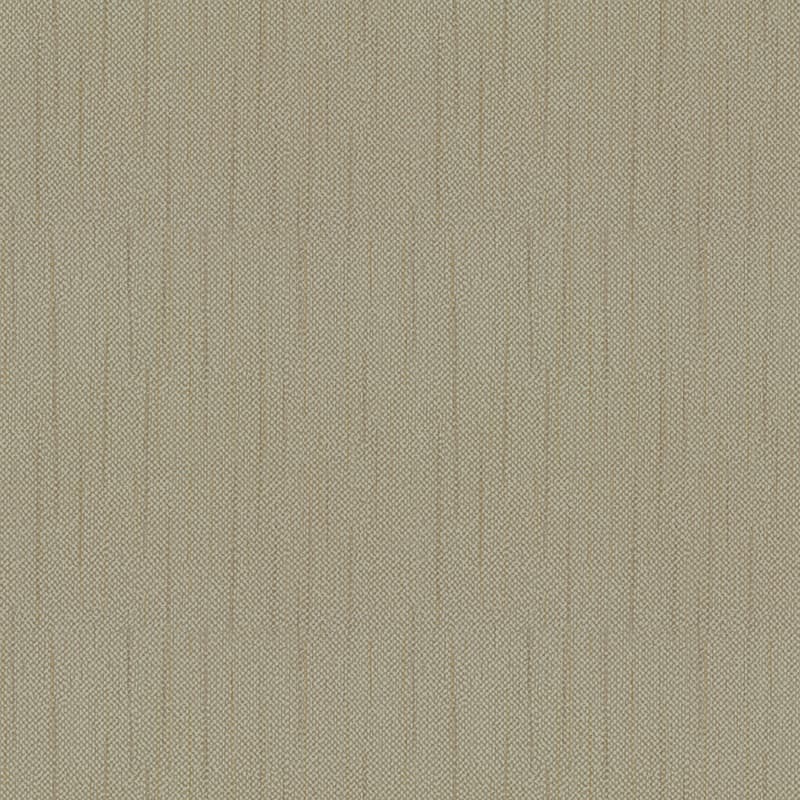
PVC woven grain decorative film is engineered to replicate the visual rhythm of woven textiles while maintaining the durability and processing advantages of polyvinyl chloride. Its surface pattern is created through precision embossing or printing, forming an interlaced grain that mimics fabric strands. This structure is not purely aesthetic; it also contributes to scratch masking and tactile depth, making the film suitable for high-contact interior surfaces.
Beneath the decorative layer, the film typically consists of a stabilized PVC base combined with plasticizers and performance additives. These components influence flexibility, adhesion, and resistance to temperature changes. Understanding this layered construction helps users assess whether the film is appropriate for flat panels, curved substrates, or wrapped edges.
Functional Advantages in Interior and Surface Finishing
One of the primary reasons designers and manufacturers select PVC woven grain decorative film is its balance between appearance and practicality. The woven grain reduces glare compared with smooth films and provides a warm, textile-like feel without the maintenance issues associated with real fabric or natural materials.
From a functional perspective, the film offers consistent color reproduction, controlled thickness, and predictable behavior during lamination or wrapping. These qualities are especially valuable in batch production, where uniformity across panels or furniture components is required.
Common Application Scenarios and Use Cases
PVC woven grain decorative film is widely used in furniture manufacturing, interior wall panels, cabinet doors, and decorative profiles. Its textile-inspired texture allows it to bridge the gap between modern minimalism and warmer residential aesthetics.
- Furniture surfaces such as wardrobes, drawer fronts, and shelving panels where visual softness is desired.
- Interior wall cladding in commercial spaces that require durability alongside a refined appearance.
- Door skins and decorative trims that benefit from texture without increasing material thickness.
In these contexts, the film’s resistance to moisture and ease of cleaning provide practical benefits over real woven materials, particularly in kitchens, offices, and hospitality environments.
Surface Preparation and Application Techniques
Successful application of PVC woven grain decorative film depends heavily on substrate preparation. Surfaces must be clean, dry, and free from dust, oils, or irregularities that could telegraph through the textured film. Even though the woven grain can conceal minor imperfections, it should not be relied upon to mask structural defects.
Application methods vary depending on whether the film is used in flat lamination, membrane pressing, or profile wrapping. Temperature control is critical, as PVC becomes more pliable within a specific heat range. Proper heating ensures the film conforms to contours without overstretching, which could distort the woven pattern.
Key Application Considerations
- Maintain consistent heating to preserve grain uniformity across surfaces.
- Use compatible adhesives or lamination processes recommended for PVC materials.
- Allow sufficient cooling time before trimming or post-processing to avoid shrinkage.
Durability, Wear Resistance, and Maintenance
Durability is a defining feature of PVC woven grain decorative film. The embossed texture helps reduce the visibility of everyday scratches, fingerprints, and scuffs. This makes the material particularly suitable for areas with frequent handling, such as cabinet doors or office furniture.
Maintenance requirements are straightforward. Routine cleaning with a soft cloth and mild detergent is usually sufficient. Abrasive cleaners and solvents should be avoided, as they can dull the surface or damage the protective top layer.
Performance Comparison with Other Decorative Films
When selecting a decorative film, it is helpful to compare PVC woven grain options with smooth, wood-grain, or stone-pattern films. Each category has distinct strengths, and understanding these differences supports more informed material decisions.
| Film Type | Visual Effect | Scratch Masking | Maintenance Level |
| Woven Grain PVC | Textile-like, soft | High | Low |
| Smooth PVC | Glossy or matte | Low | Medium |
| Wood Grain PVC | Natural wood look | Medium | Low |
Environmental and Compliance Considerations
Modern PVC woven grain decorative films are increasingly produced with low-emission formulations to meet indoor air quality standards. Manufacturers often adjust plasticizer systems and stabilizers to reduce volatile compounds while maintaining flexibility and longevity.
For projects with sustainability requirements, it is advisable to review product documentation regarding recyclability, compliance with regional regulations, and long-term performance. While PVC is a synthetic material, its durability can contribute to reduced replacement cycles, indirectly supporting resource efficiency.
Selection Guidelines for Different Project Needs
Choosing the right PVC woven grain decorative film involves more than selecting a pattern. Thickness, embossing depth, color stability, and compatibility with processing equipment all play a role in long-term satisfaction.
- For furniture applications, prioritize films with balanced flexibility and surface hardness.
- For wall panels, consider UV stability and ease of cleaning over extreme formability.
- For profile wrapping, ensure the film performs well under stretching without pattern distortion.
Long-Term Value and Practical Assessment
PVC woven grain decorative film offers a practical solution for projects that demand both visual warmth and operational reliability. Its textile-inspired appearance adds depth to interiors, while its engineered structure supports consistent manufacturing outcomes.
Rather than positioning it as a premium or decorative upgrade alone, it is more useful to view this material as a functional surface option. When specified with a clear understanding of application conditions and performance expectations, PVC woven grain decorative film can deliver dependable results across a wide range of interior and furniture-related uses.

