
 English
 русский

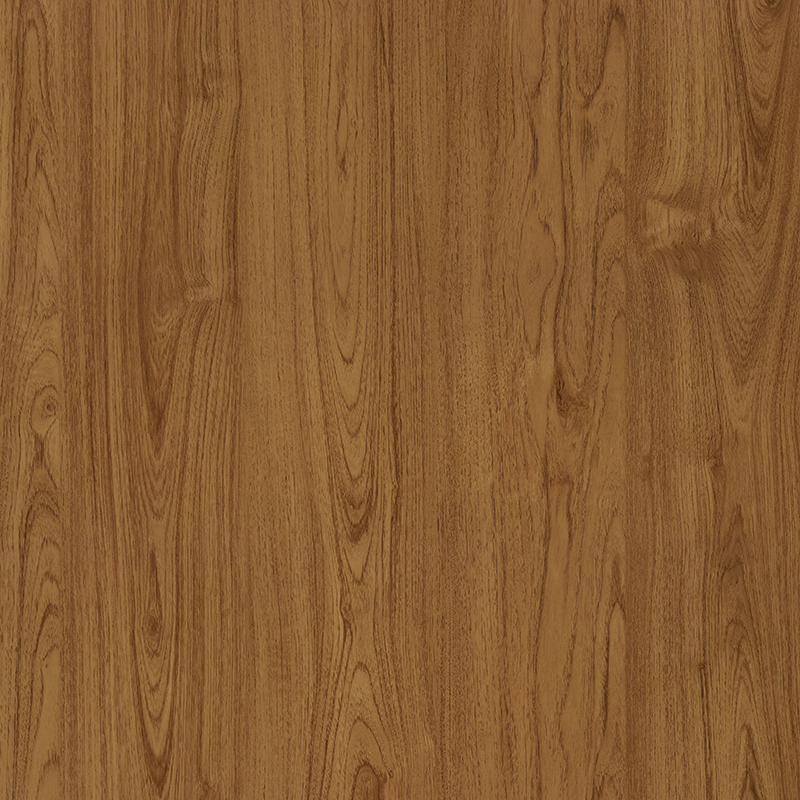
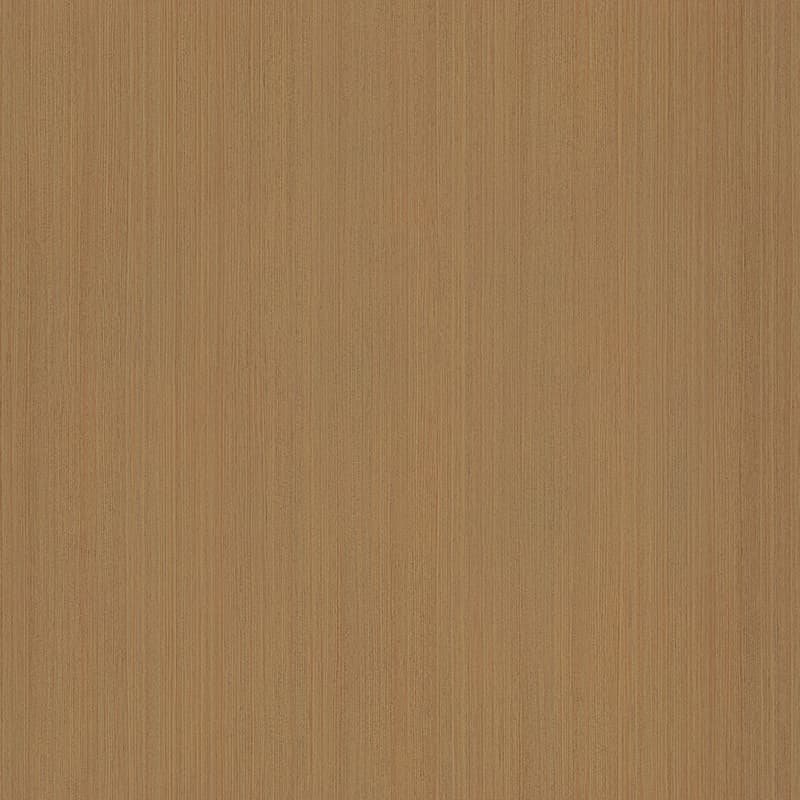
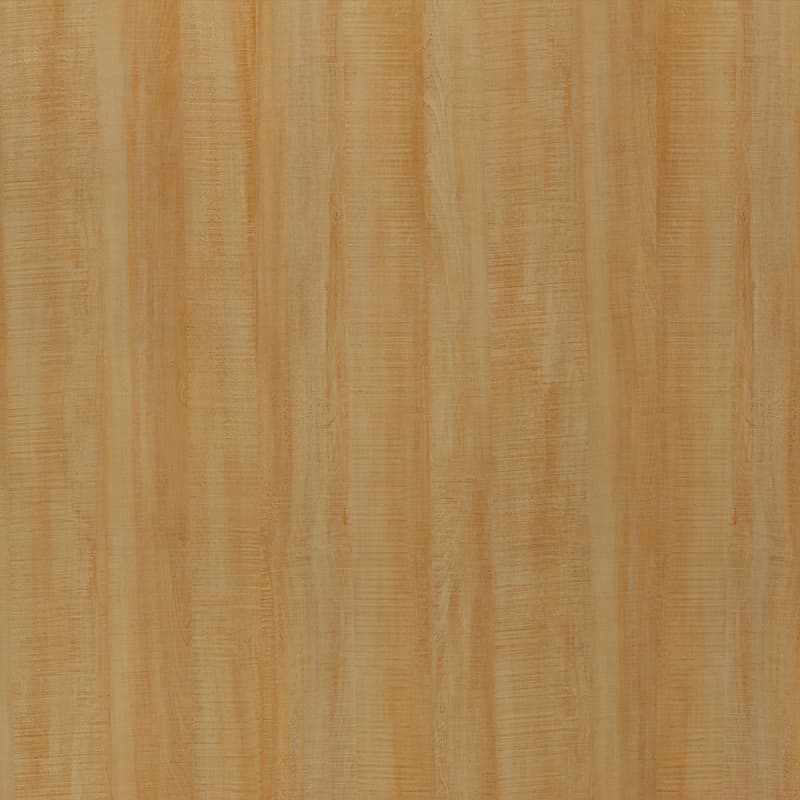
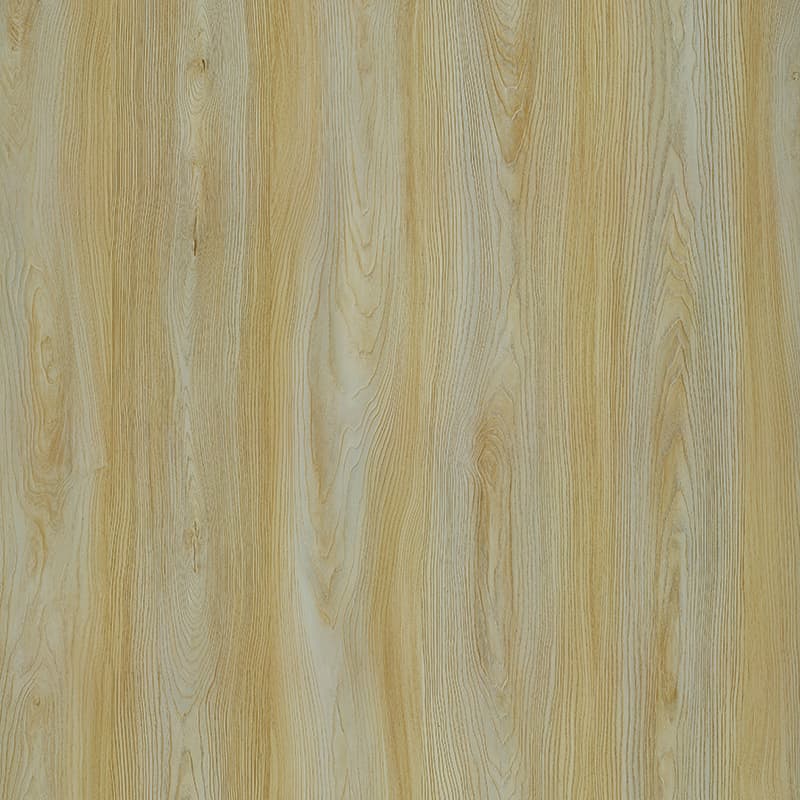

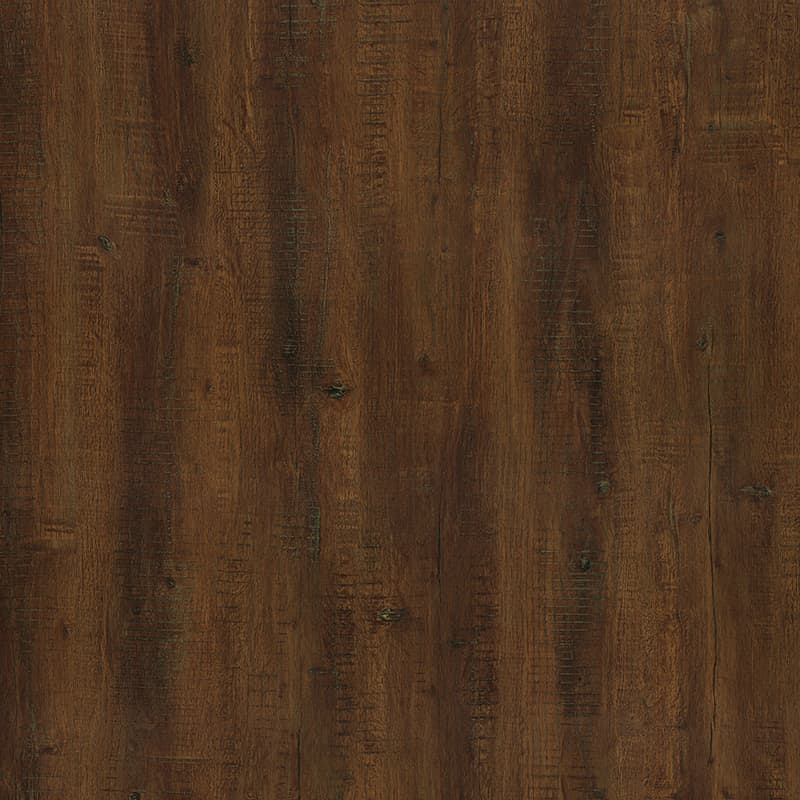
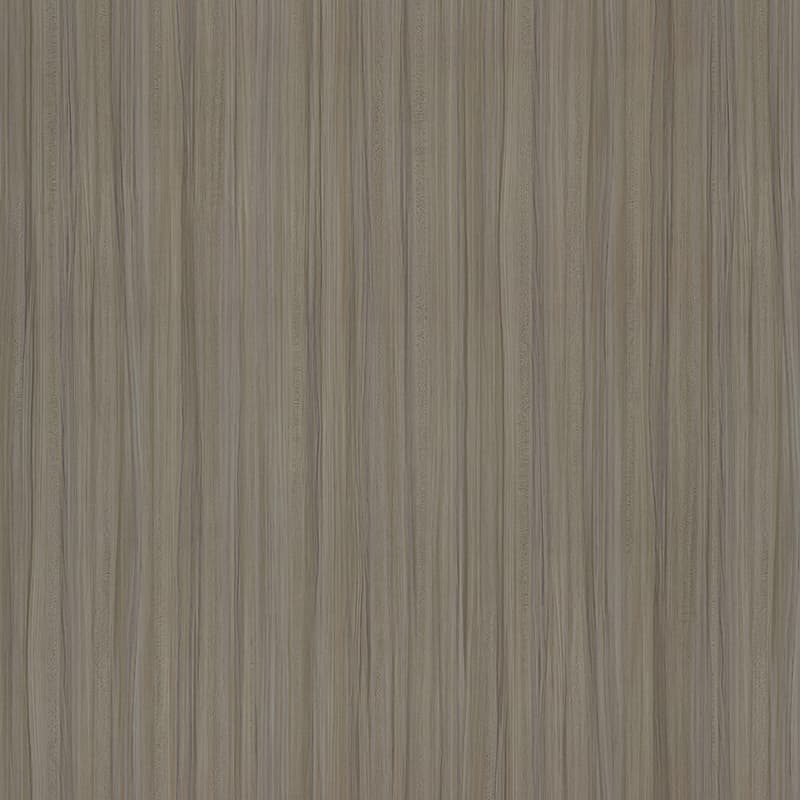

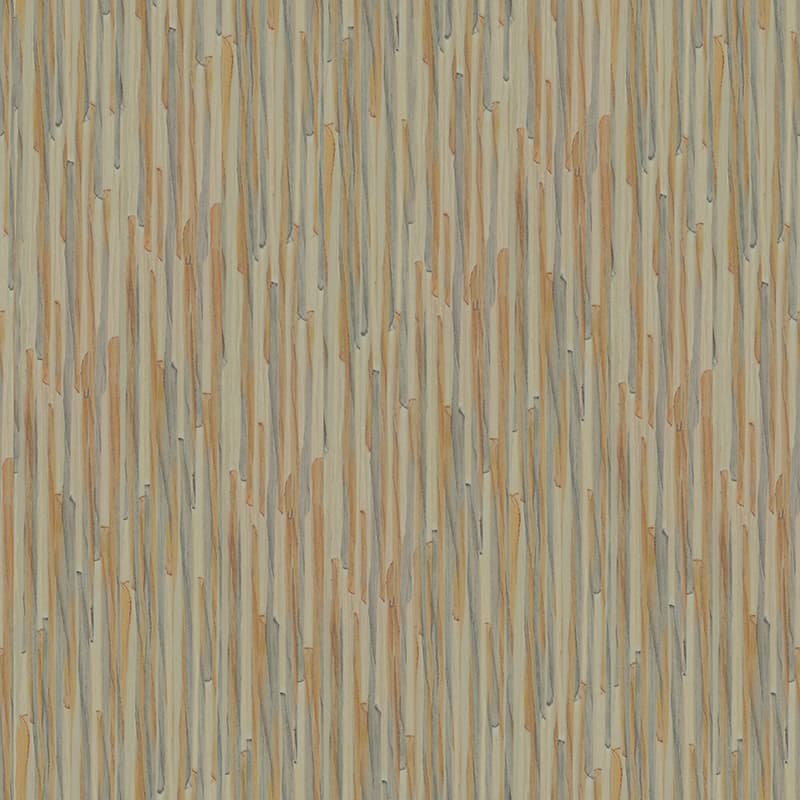
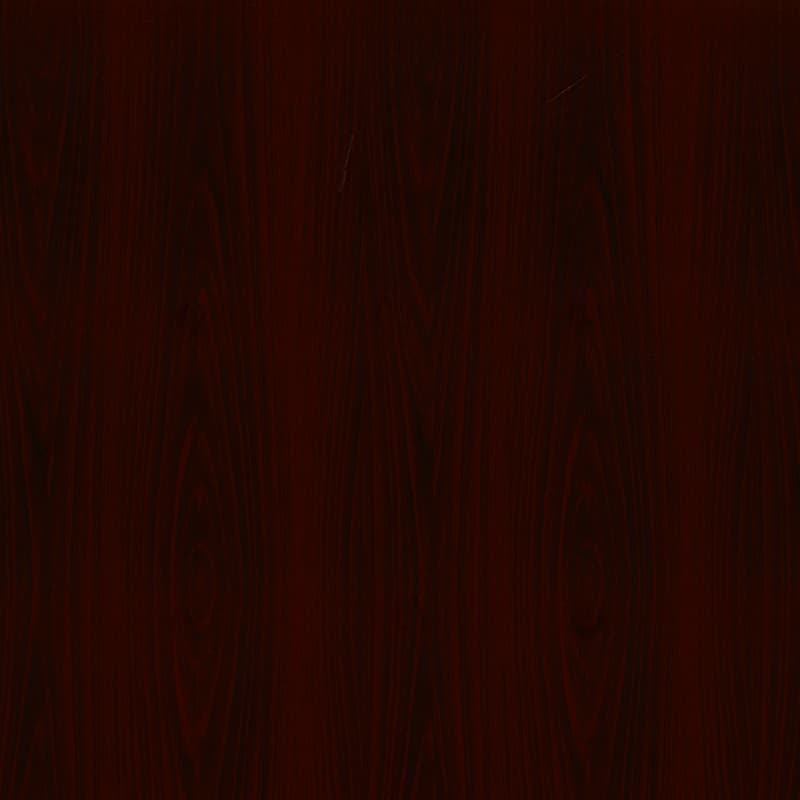

To make the life more colorful
In the field of surface finishing and interior design materials, decorative films have become an increasingly practical choice for furniture manufacturers, interior decorators, and product designers seeking a balance of appearance, durability, and cost efficiency. Among the commonly used options, PVC Decorative Film and PET decorative film stand out as two of the most widely adopted solutions. While they may seem similar at first glance, their performance, characteristics, and ideal applications differ in meaningful ways. Understanding these distinctions helps buyers, installers, and manufacturers make informed decisions based on actual material needs rather than assumptions or marketing claims.
1. Material Composition and Structure
PVC Decorative Film is made primarily from polyvinyl chloride with added plasticizers, stabilizers, and pigments. These additives give the material flexibility, color stability, and suitability for various textures and embossing. PVC is naturally versatile and can be processed into matte, gloss, wood-grain, marble-like, or embossed finishes. Because the base polymer is relatively soft, it can be thermoformed around curves and edges, making it useful for 3D surface wrapping.
On the other hand, PET decorative film is made from polyethylene terephthalate, a harder and more rigid polymer widely used in beverage bottles and high-performance packaging. PET films are known for clarity, strength, and resistance to heat and chemicals. Decorative PET films often include printed patterns and protective top layers. PET’s inherent rigidity offers a different type of durability compared to PVC, but also makes it less flexible during installation on certain surfaces.
2. Flexibility and Formability
When comparing these two materials, flexibility is one of the most noticeable differences:
-
PVC Decorative Film
- Highly flexible due to plasticizers
- Performs well in vacuum pressing and membrane-press applications
- Ideal for wrapping cabinet doors, furniture edges, and curved surfaces
- Adapts easily to shapes, eliminating visible seams
-
PET decorative film
- More rigid and less stretchable
- Better suited for flat or slightly curved surfaces
- Less compatible with complex edge wrapping
- May require more advanced equipment for lamination
Because of this distinction, PVC Decorative Film is commonly chosen for applications requiring 3D wrapping, while PET decorative film is often selected for flat panel laminations where rigidity and hardness are desired.
3. Durability and Performance in Daily Use
Durability varies depending on the environment and usage conditions. Both materials can perform effectively, but they differ in specific strengths:
PVC Decorative Film durability characteristics
- Good resistance to moisture and everyday household wear
- Sufficient scratch resistance for general furniture use
- Sensitive to high heat; prolonged exposure can lead to distortion
- UV stability varies by formulation; lower grades may discolor over time
- Flexible enough to resist cracking even under regular movement
PET decorative film durability characteristics
- Strong resistance to scratches, especially when manufactured with a protective top coating
- Better performance under heat compared to PVC
- Superior UV resistance, reducing the risk of yellowing or fading
- Harder surface layer that maintains appearance longer in high-wear settings
- Reduced risk of chemical damage from cleaning agents
If long-term color stability and scratch resistance are priorities, PET decorative film typically performs better. For general residential use or environments with minimal heat and UV exposure, PVC Decorative Film is usually sufficient and more adaptable.
4. Appearance and Surface Options
Both materials can replicate a wide range of decorative effects, but they differ slightly in aesthetic versatility:
PVC Decorative Film
- Excellent printing adaptability
- Can produce deep, realistic wood grain embossing
- Supports high-gloss, matte, metallic, and tactile finishes
- Suitable for traditional furniture, doors, and indoor decorative panels
- Surface texture can be easily varied during production
PET decorative film
- Naturally clearer and glossier surface
- Higher definition prints due to PET’s optical properties
- Often chosen for modern or contemporary design aesthetics
- More resistant to surface dulling over time
- Typically used in premium consumer goods where clarity and crispness matter
PVC Decorative Film offers broader stylistic flexibility and deeper embossing, while PET decorative film excels in clarity and high-end surface quality.
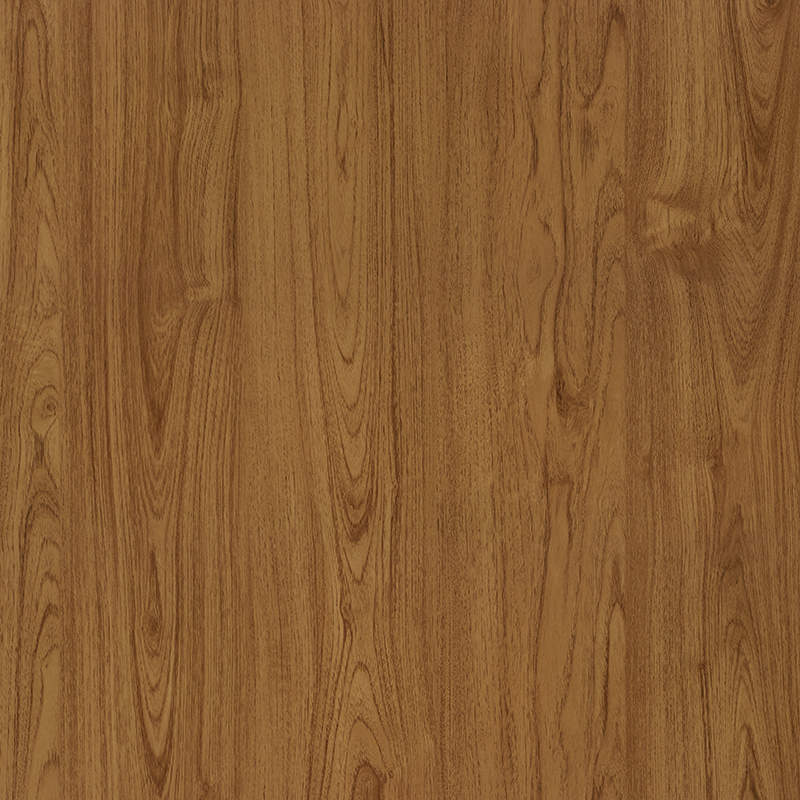
5. Environmental and Health Considerations
Environmental performance is an important comparison point as regulations evolve and buyers become more conscious of material impact.
PVC Decorative Film
- PVC is recyclable, but requires proper facilities due to chlorine content
- Potential off-gassing varies by formulation
- Some regions restrict certain additives like phthalate plasticizers
- Improved, eco-friendly PVC formulas are becoming more common
PET decorative film
- PET is widely recycled globally
- Contains no chlorine or plasticizers
- Generally considered more environmentally friendly
- Typically emits fewer VOCs during installation
For industries emphasizing sustainability, PET decorative film may appear more attractive. However, PVC Decorative Film continues to evolve with more stable, low-VOC formulations that improve environmental performance.
6. Installation and Processing Requirements
Installation depends heavily on equipment, substrate type, and desired finish.
PVC Decorative Film installation
- Easy to apply using vacuum press machines
- Suitable for membrane pressing on MDF and similar substrates
- Lower processing temperature requirements
- More forgiving for installers due to elasticity
- Good for DIY or small-scale applications
PET decorative film installation
- Requires precise lamination under controlled pressure and temperature
- More commonly used with flat laminating machines
- Less forgiving during installation; misalignment or bubbles are harder to correct
- Better suited for industrial-scale production lines
Manufacturers with advanced lamination facilities may benefit from PET decorative film’s performance, while those needing flexible processing may find PVC Decorative Film more practical.
7. Cost Considerations
Cost plays a significant role in choosing between these two materials:
-
PVC Decorative Film is generally more affordable in terms of raw material, processing equipment, and installation labor. This makes it a common choice for mass-produced furniture, interior décor, and cost-sensitive projects.
-
PET decorative film, while offering improved hardness and stability, typically costs more both in material and processing. It is often selected for higher-end furniture or applications where long-term durability and appearance justify the additional expense.
For many projects, the decision comes down to balancing budget constraints with performance requirements.
8. Ideal Applications for Each Material
Best uses for PVC Decorative Film
- Kitchen cabinet doors
- Interior wall panels
- Home furniture
- Closets and wardrobes
- Curved or 3D-shaped components
- Economical renovation projects
Best uses for PET decorative film
- High-gloss modern cabinets
- Commercial fixtures and display units
- Panels exposed to sunlight
- High-traffic tabletops or shelving
- Premium consumer goods
- Industrial applications requiring chemical or heat resistance
Conclusion
Both PVC Decorative Film and PET decorative film serve valuable purposes in modern décor and furniture manufacturing, but they excel in different areas. PVC Decorative Film offers flexibility, ease of installation, and cost-efficiency, making it ideal for curved or 3D surfaces and everyday furniture applications. PET decorative film, with its superior hardness, UV resistance, and clarity, is better suited for high-end or high-performance environments.
Choosing between them should depend on practical needs such as installation method, expected durability, environmental considerations, design preferences, and project budget. By understanding these distinctions, users can select the material that best aligns with their requirements, ensuring both functional and aesthetic success.
If you’d like, I can also produce comparison tables, add subheadings, or help create a buyer’s guide version of this article.

