
 English
 русский

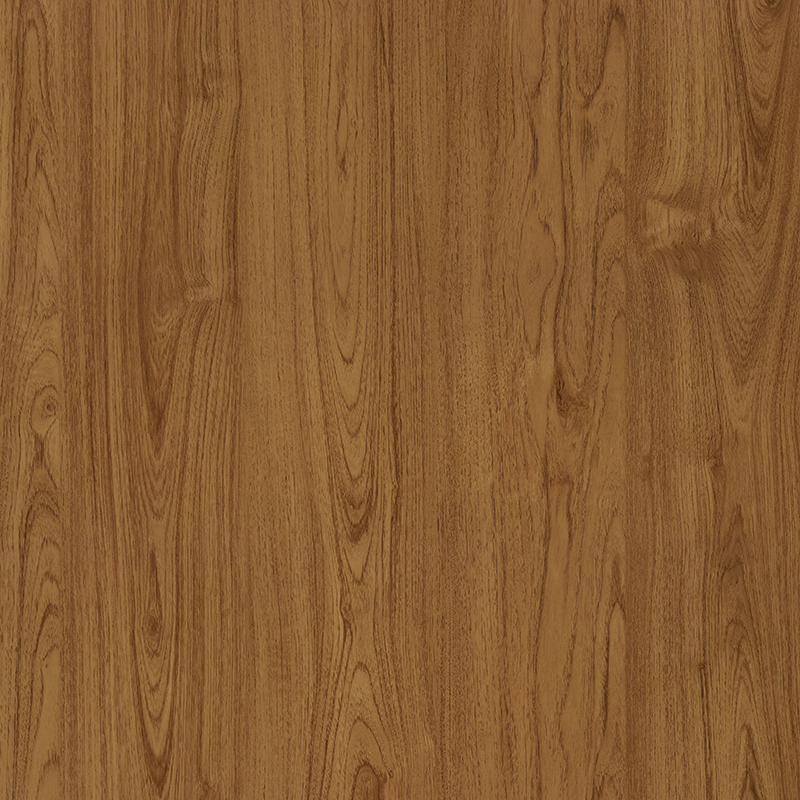
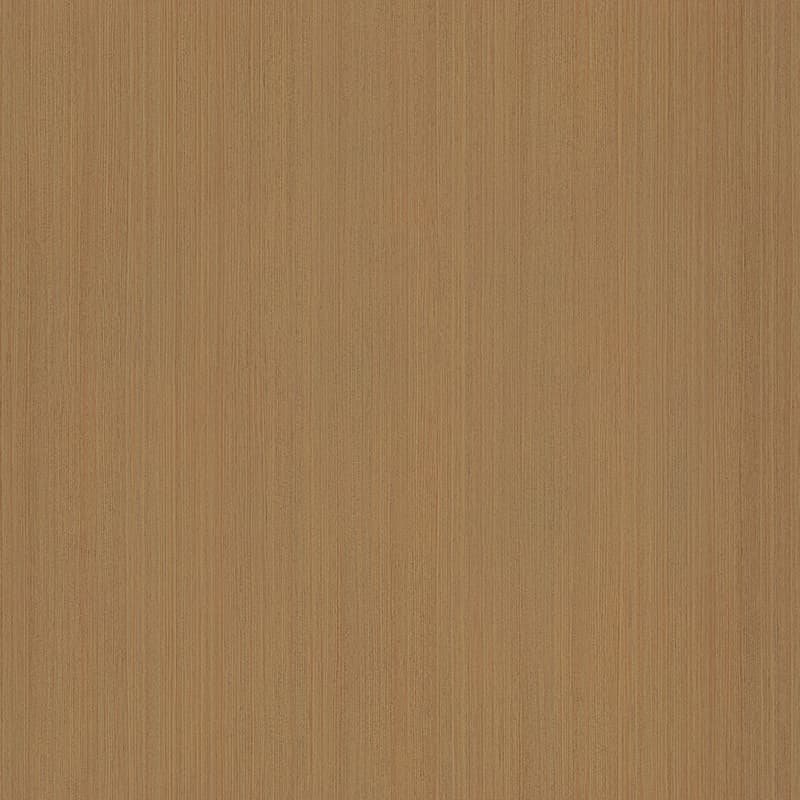
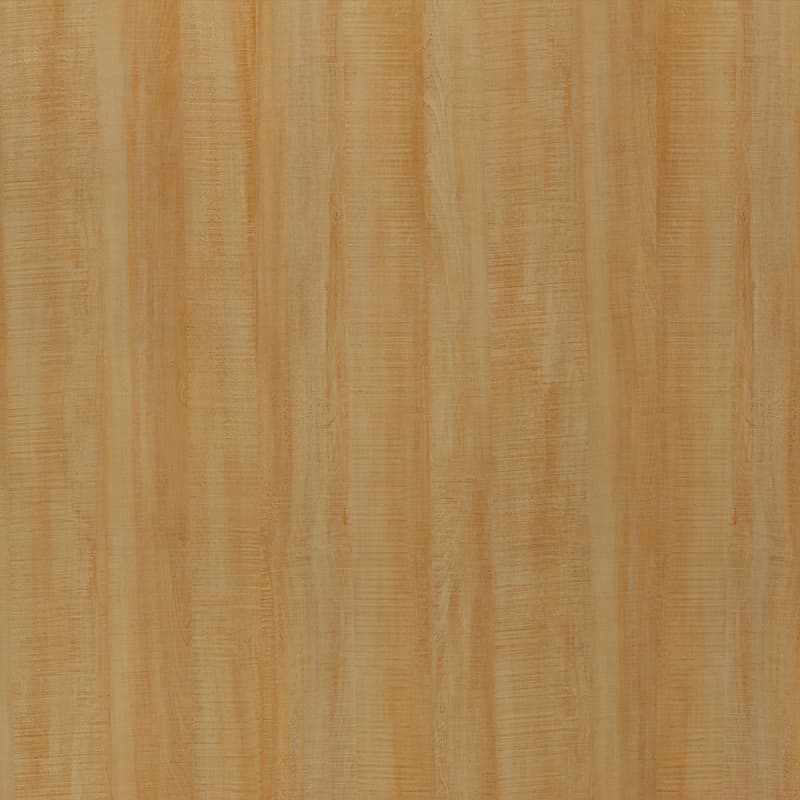
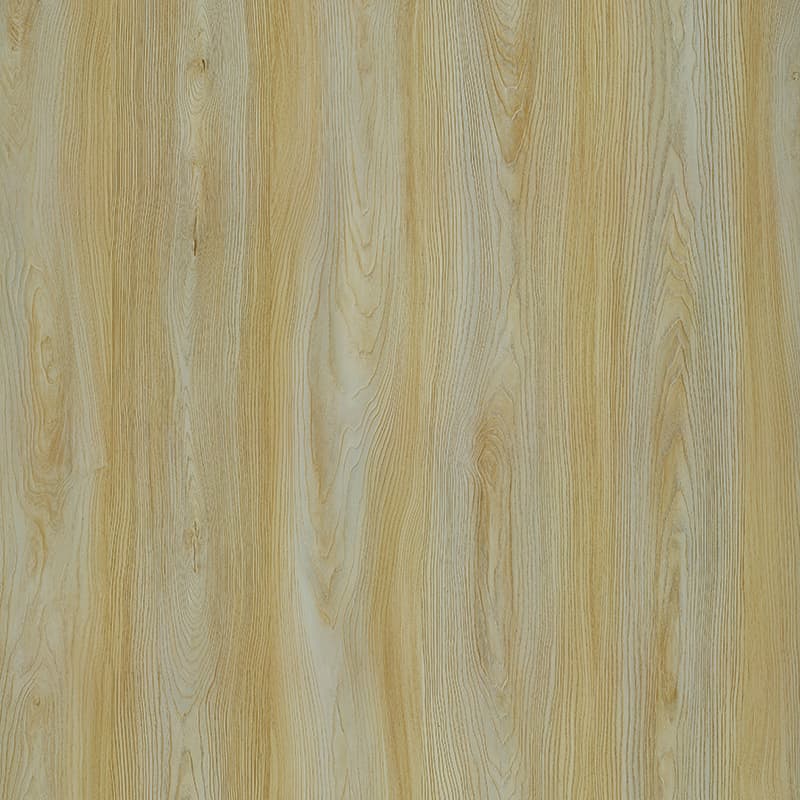

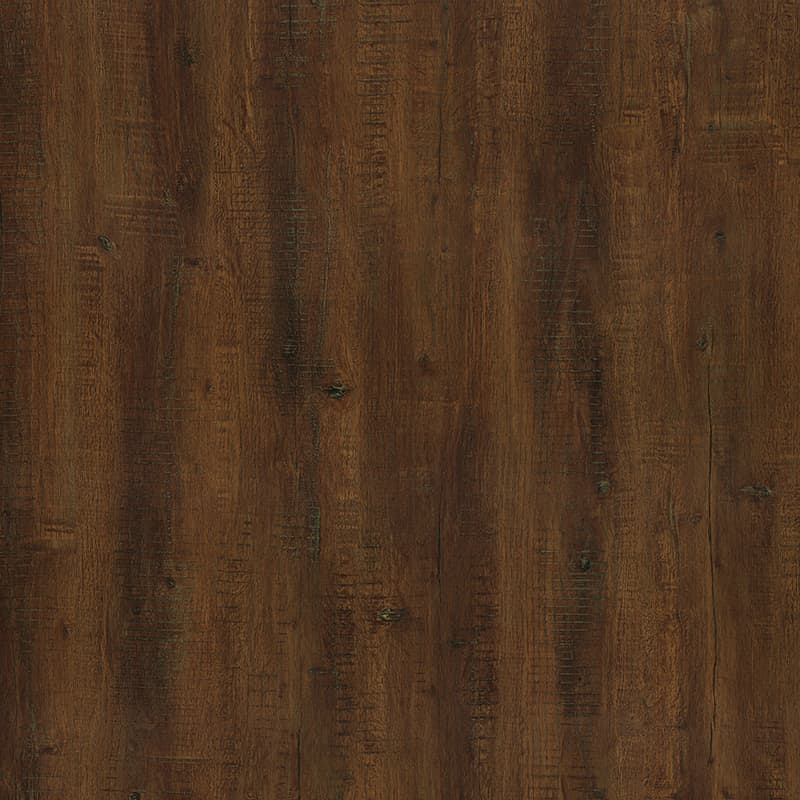
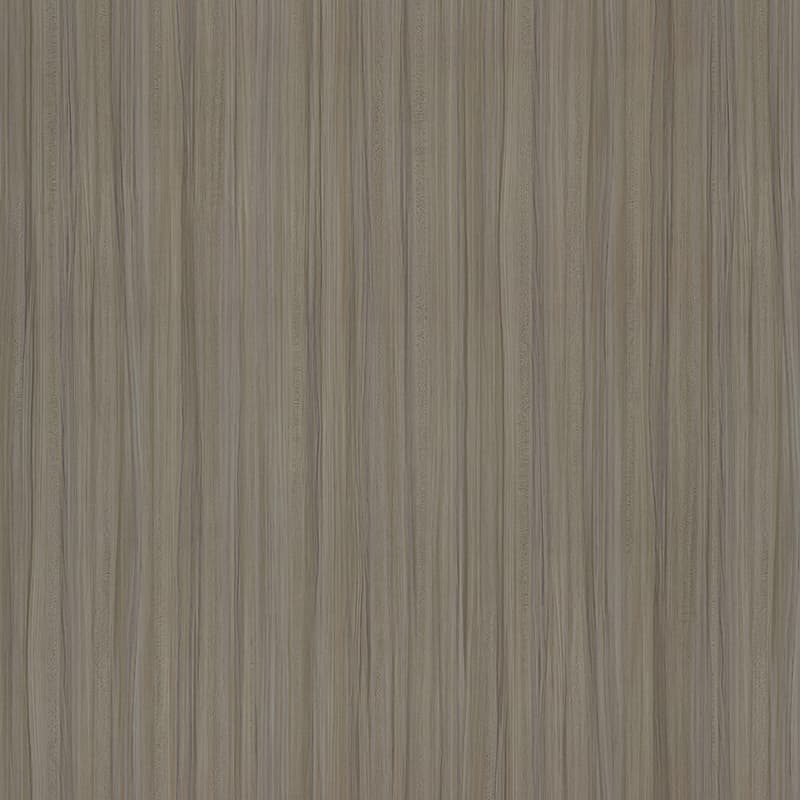
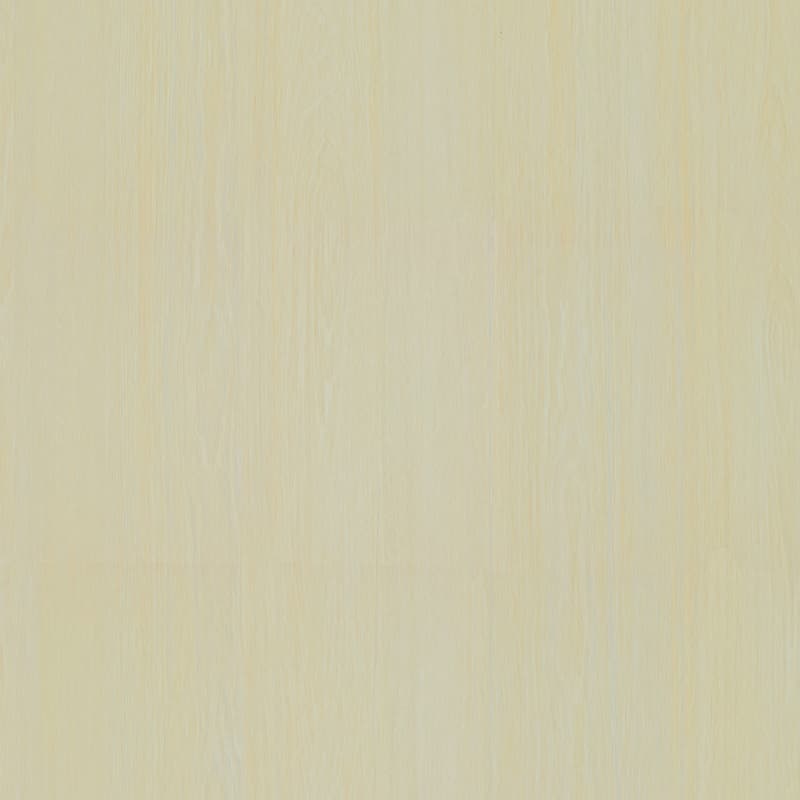
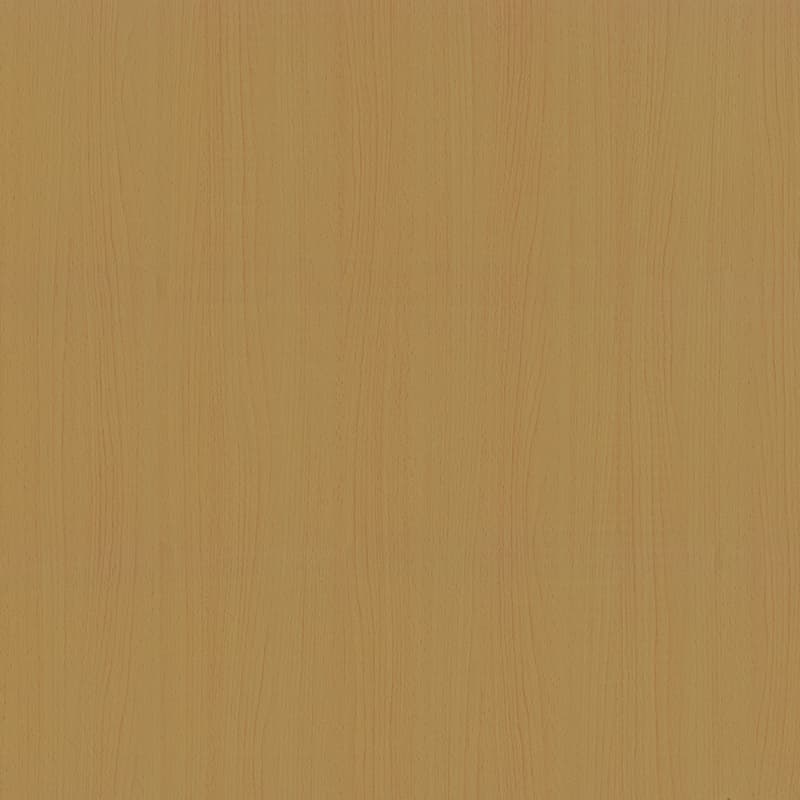
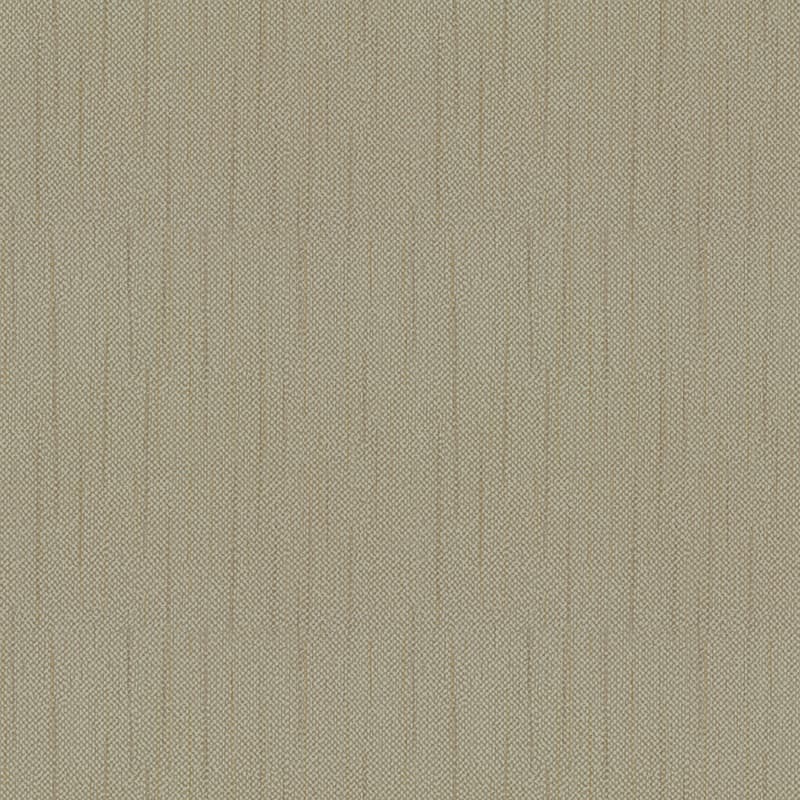
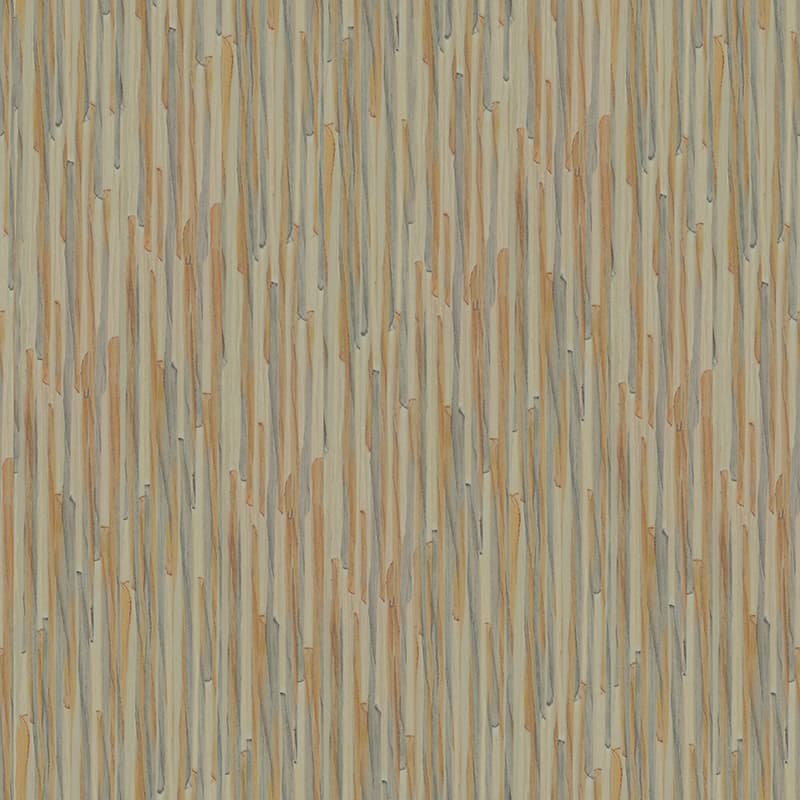
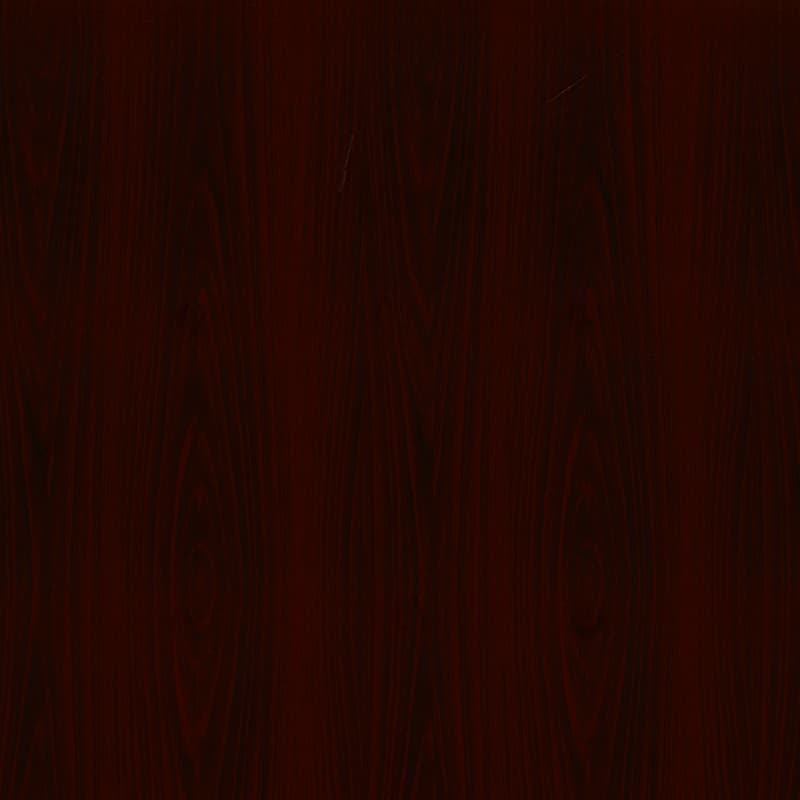

To make the life more colorful
Content
PVC wood grain decorative film is a surface finishing material designed to replicate the appearance and texture of natural wood. It is widely used in furniture manufacturing, interior decoration, and renovation projects where visual warmth and consistency are important but solid wood is impractical. This article focuses on how the material is used in real applications, how to select suitable specifications, and how to achieve reliable results during installation and long-term use.
Material Composition and Structure
PVC wood grain decorative film is primarily made from polyvinyl chloride resin, combined with plasticizers, stabilizers, pigments, and surface treatments. These components are processed through calendering or lamination to form thin, flexible sheets with printed or embossed wood grain patterns. The layered structure allows the film to balance visual realism, flexibility, and resistance to daily wear.
Key Layers Explained
- Base PVC layer provides flexibility and mechanical stability for wrapping or flat lamination.
- Printed wood grain layer delivers color, pattern consistency, and visual depth.
- Protective topcoat enhances scratch resistance, stain resistance, and ease of cleaning.
Common Application Scenarios
PVC wood grain decorative film is typically applied to engineered substrates rather than solid wood. These include MDF, particleboard, plywood, and certain plastic or metal panels. Its versatility allows it to be used across residential, commercial, and institutional interiors.
Furniture and Cabinetry
In furniture manufacturing, the film is commonly vacuum-pressed or wrapped onto cabinet doors, drawer fronts, shelves, and panels. It enables consistent wood appearance across large production runs, which is difficult to achieve with natural veneer. The film also allows manufacturers to produce curved or profiled surfaces without visible joints.
Interior Wall and Door Surfaces
Interior doors, wall panels, and partitions benefit from PVC wood grain decorative film because it offers a uniform finish and improved resistance to moisture compared to traditional wood finishes. This makes it suitable for kitchens, corridors, and commercial spaces with frequent use.
Advantages in Practical Use
The popularity of PVC wood grain decorative film is rooted in its practical benefits rather than purely aesthetic appeal. These advantages are particularly noticeable in environments where durability, consistency, and ease of maintenance matter.
| Feature | Practical Benefit |
| Moisture resistance | Reduces swelling or warping on composite boards |
| Pattern consistency | Uniform appearance across multiple panels |
| Surface durability | Withstands daily handling and cleaning |
| Design flexibility | Supports modern, classic, or custom wood tones |
How to Choose the Right Film
Selecting a suitable PVC wood grain decorative film requires attention to both visual and technical factors. The wrong specification may look acceptable initially but fail under long-term use.
Thickness and Flexibility
Film thickness typically ranges from 0.12mm to 0.30mm. Thinner films are easier to wrap around complex profiles, while thicker films offer better impact and scratch resistance. The choice should reflect the complexity of the substrate shape and the expected level of wear.
Surface Texture and Finish
Options include matte, satin, high gloss, and embossed textures. Embossed finishes often provide a more realistic wood feel and help reduce visible fingerprints. Glossy finishes may suit modern interiors but require careful handling during installation.
Installation Methods and Considerations
Proper installation is critical to achieving a durable and visually pleasing result. PVC wood grain decorative film can be applied using flat lamination, vacuum pressing, or profile wrapping, depending on the substrate and design.
- Ensure substrates are smooth, clean, and dry before application to avoid surface defects.
- Use adhesives compatible with PVC to prevent delamination or surface bubbling.
- Control temperature and pressure during pressing to maintain pattern clarity and adhesion.
Maintenance and Long-Term Performance
PVC wood grain decorative film is relatively easy to maintain, which contributes to its appeal in both residential and commercial settings. Regular cleaning with a soft cloth and mild detergent is usually sufficient to preserve appearance.
Avoid abrasive cleaners or sharp tools that may damage the protective topcoat. When properly selected and installed, the film can maintain its color stability and surface integrity for many years under normal indoor conditions.
Limitations to Keep in Mind
While PVC wood grain decorative film offers many practical advantages, it is not a direct replacement for solid wood in all scenarios. It is primarily designed for interior use and may not perform well under prolonged exposure to high heat or direct sunlight.
Understanding these limitations allows designers, manufacturers, and installers to use the material where it performs best, ensuring reliable results and satisfied end users.

